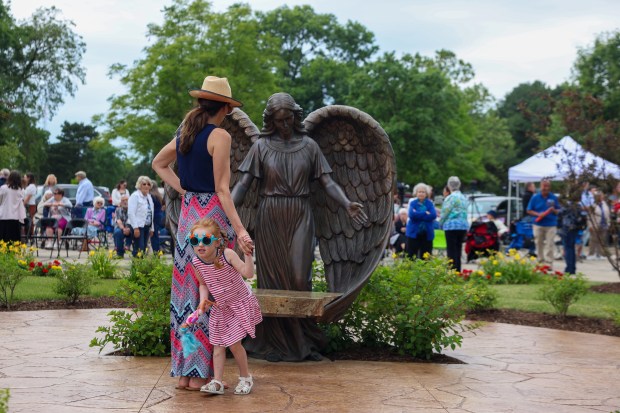
Bridget Biddinger, visiting her brother’s grave at Queen of Heaven Catholic Cemetery on the seventh anniversary of his death, encountered an unexpected gathering. This significant event, a reflection of the church’s change in approach towards suicide, was a prayer service and dedication of a memorial shrine for lives lost to suicide and their grieving loved ones. Notably, this is the first such memorial established by an archdiocese at a Catholic cemetery in the United States, marking a national shift.
The Catholic Church has historically stigmatized suicide by denying religious funerals and traditional burials. Now, there’s a more compassionate understanding, acknowledging mental health issues, encouraging outreach, and focusing on treatment and spiritual support. The church’s transformation reflects a broader societal shift toward empathy and understanding in matters of mental health.
Pope Leo XIV underscored this shift with his November prayer focus on the prevention of suicide, appealing for divine support for those in despair. During a June vigil in Barcelona, the pontiff shared words of hope with a woman who survived a suicide attempt, emphasizing the value of her life.
The Archdiocese of Chicago’s statement about their new shrine conveys this evolving perspective. “The Church now embraces these individuals and affirms that they are with God, not condemned,” it reads. The “At Peace” memorial, featuring two sculptures, addresses mourners of all beliefs, fostering communal healing.
Bishop Lawrence Sullivan, at the dedication, included a collective prayer. “God of perfect peace: Pain, isolation, and despair can have no part with you. You are our strength in adversity. Our hope in times of trouble.” The message emphasized compassion and divine presence with those suffering.
Biddinger found the memorial comforting, seeing it as a sign that her brother, Daniel Paul Steik, was with her in spirit. Reflecting on the family’s strong bond, she hoped the shrine would lessen suicide’s stigma. She sees progress in attitudes toward these deaths and believes this shift should continue.
Years ago, suicides weren’t granted burial on consecrated grounds or permitted funerals, notes Rev. Charles Rubey, founder of Loving Outreach to Survivors of Suicide 50 years ago. He cited instances where priests spoke of damnation, but the church has now moved past such harsh views.
The dedication ceremony included a blessing of the shrine grounds, adorned with vibrant flowers and sculptures aimed at comfort. One sculpture, a bronze angel embracing a granite bench, symbolizes solace. Another, a stainless steel and bronze tower of nine doves, represents hope and transcendence.
Rabbi Marianne Novak, whose daughter died by suicide, shared her fears about altered funeral customs. Her rabbi reshaped her understanding, equating her daughter’s death to any illness-driven demise. Novak’s involvement in Loving Outreach to Survivors of Suicide demonstrates the breadth of the support network, embracing diverse faith paths.
Melinda Moore, a psychology professor, pointed out the lack of training in pastoral care for those facing suicide-related grief among clergy. She co-edited a book offering guidance across faiths, underscoring the significance of informed leadership in such matters.
The Queen of Heaven shrine’s prominent placement ensures its visibility, where visitors seek God and answers. Bishop Sullivan stressed this point, noting it as a place to find solace in faith and to understand death not as an ending but a transformation.
Novak, visiting the shrine, connected Jewish prayers with the site’s imagery of divine sheltering wings. She cherishes memories of her daughter’s kindness and vibrancy, finding peace and a continued bond in the memorial space.
 British Police Arrest Man Suspected of Terror Plot
  Activists Push for Nationwide Ban on Child Marriage in the U.S.
  Freddy’s American Adventure: From Soccer to College Football
  Investigation into Alleged Incident at Cornell University
  Rising Drone Threats Highlight Vulnerabilities in Moldova’s Airspace Defense
  Bolivia Faces Security Test Amid Unrest