Democratic Socialists Viewed as Separate Entity
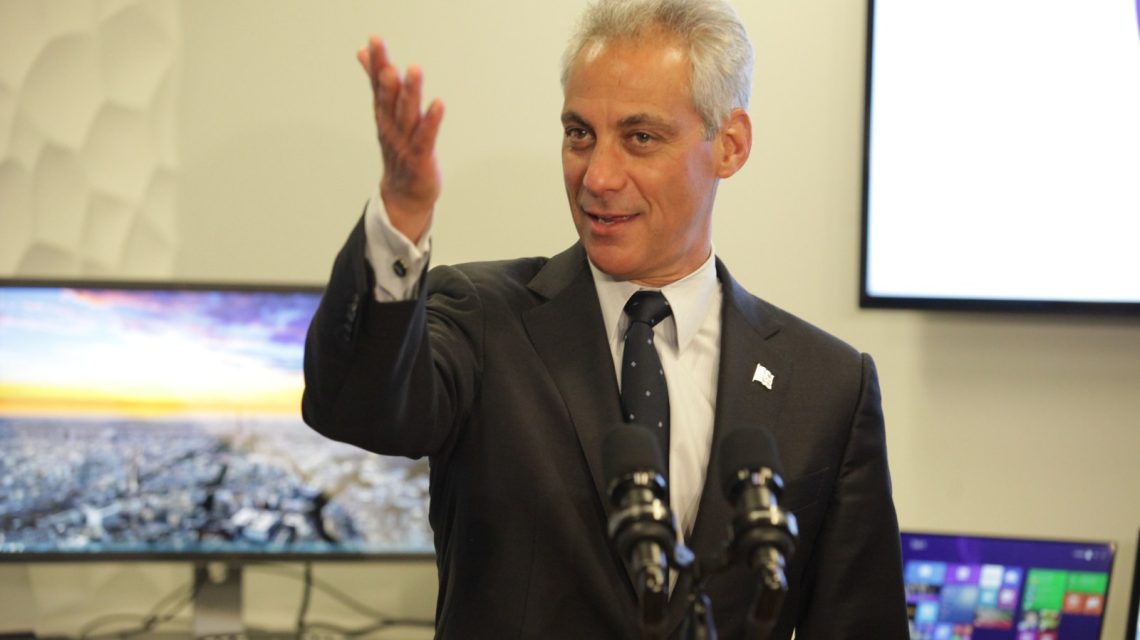
Rahm Emanuel has stated that democratic socialists constitute their own political group, intensifying current debates on the direction of the Democratic Party. During NBC News’ Meet the Press with Kristen Welker, Emanuel emphasized that democratic socialists do not align with traditional Democratic positions. He referenced a recent convention of the Democratic Socialists of America (DSA) in Chicago to reinforce their independent status.
Emanuel outlined several positions associated with democratic socialists, such as defunding the police, open borders, and releasing prisoners, which he claimed diverge from mainstream Democratic views. These remarks come amid Emanuel’s contemplation of a potential presidential bid for 2028, highlighting significant ideological rifts within the Democratic Party.
Challenges to Democratic Strategy
As the Democratic Party approaches the 2026 midterms and the 2028 presidential election, Emanuel urged the importance of building a broad coalition. He argued that election victories hinge on attracting independents and disaffected Republicans, especially in competitive states like Arizona, Georgia, Michigan, Nevada, North Carolina, Pennsylvania, and Wisconsin. Emanuel expressed optimism that Democrats could win in red districts and flip states, relying on the support of Romney Republicans and independent voters.
Addressing internal party issues, Emanuel acknowledged a branding problem faced by Democrats, stressing the need to deliver tangible results and focus on key issues such as ethics reform, affordability, and wages over partisan battles.
Rift Over Progressive Policy Proposals
The increasing influence of DSA-backed candidates challenges the Democratic Party to evaluate its stance on progressive policies like Medicare for All and expanded social programs. Critics within the Democratic Party argue that these policies might not resonate with moderate and swing voters. Emanuel echoed this sentiment, highlighting the fundamental differences between democratic socialists and mainstream Democrats, asserting compatibility issues for national election success due to these divergent positions.
Similarly, House Minority Leader Hakeem Jeffries distanced himself from DSA’s agenda, underlining a centrist position. During Meet the Press, Jeffries confirmed his non-support for Medicare for All legislation and emphasized the broader caucus encompassing progressives, moderates, and Blue Dog Democrats. His priorities focus on reducing key consumer costs.
Impact of Recent DSA-Backed Victories
Recent primary wins by DSA-backed candidates have raised questions about Democratic Party evolution. Abdul El-Sayed’s victory in Michigan’s Democratic Senate primary brought attention to progressive priorities, sparking debates on the balance between moderate Democrats and progressive policy proponents. Emanuel stated his support for any Democratic nominee despite disagreements.
These victories follow other prominent triumphs by DSA-aligned candidates, such as Claire Valdez and Darializa Avila Chevalier in New York, Chris Rabb in Philadelphia, and Melat Kiros in Colorado. DSA’s influence continues to grow, propelled by past successes like Alexandria Ocasio-Cortez’s victory over Joe Crowley in 2018. Emanuel emphasizes the stark policy differences between the DSA and the Democratic Party. He stresses the importance of traditional Democratic values in guiding the party forward and maintaining ideological consistency.
 Rahm Emanuel Advises Against Impeaching Trump and Calls for Ethics Reforms
  Rahm Emanuel Discusses Potential Presidential Run and Jewish Identity
  JD Vance’s Influence Grows as 2028 Speculations Arise
  Laura Ingraham Criticizes Democratic Policies on ICE and Immigration
  Jay Clayton Appointed as White House AI Czar
  Latino Voters Show Less Support for Trump and GOP