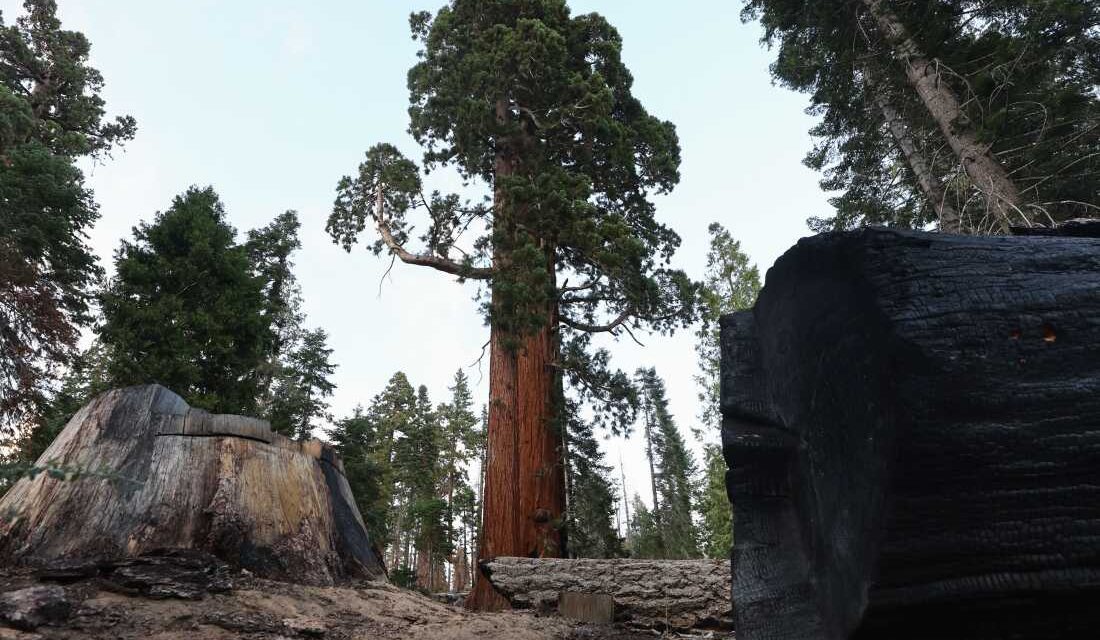
A giant sequoia, measuring 70 feet in circumference, watches over the Trail of 100 Giants in Sequoia National Forest, California. This stands as a testament to the natural beauty preserved under the ‘roadless rule’. This rule, initiated during the Clinton administration in 2001, restricts road construction, thereby curtailing logging and mining across millions of acres of U.S. public forest lands.
The Trump administration announced its intention to revoke this rule, stirring a longstanding debate over land conservation and economic development. U.S. Department of Agriculture Secretary Brooke Rollins emphasized the need for change, stating, “Our forests can’t afford another decade of inaction. It’s time to turn the page on the failed roadless rule and return our forests to health and productivity.”
Republican governors from Montana, Utah, and Wyoming voiced support for the move. Utah Governor Spencer Cox highlighted the benefits of increased flexibility in forest management, suggesting, “We can protect the landscapes by actively managing them for the next generation.”
Critics counter that the roadless rule represents a crucial component of U.S. conservation strategy. Drew Caputo, a senior attorney with Earthjustice, affirmed, “The roadless rule protects some of the most valuable public lands that belong to all Americans.” He considers it the most significant land protection measure in the past six decades.
While proponents of the rollback argue economic growth, supporters of the roadless policy maintain it has stopped unprofitable timber sales managed by the Forest Service, which effectively subsidized private timber operations. Steve Ellis from Taxpayers for Common Sense stated, “Before the roadless rule, we would build roads into areas and have money-losing timber sales costing taxpayers billions.” He cautioned that repealing the rule could worsen the current $6 billion road maintenance backlog within the U.S. Forest Service.
The reshaping of environmental policy comes amidst a fierce wildfire season in the West. Trump administration officials claim scrapping the roadless rule will grant forest managers the flexibility needed to prevent and combat fires. They argue that increased road access can help tackle preventable conditions turning landscapes into tinderboxes.
Nick Smith of the American Forest Resource Council supports road construction, saying it would allow fire crews better access to tackle fires. “We have seen what severe wildfire can do to roadless areas,” he noted.
Conversely, Caputo from Earthjustice references research indicating human activities cause over 80% of wildfires. He warns additional backcountry roads could increase fire risks, noting, “The chances of a thrown cigarette or a hot car engine igniting a fire go way up.”
This proposed repeal of the roadless rule arrives during a broader environmental deregulation trend by the Trump administration. Efforts have included relaxing Endangered Species Act enforcement and permitting commercial fishing in Pacific Ocean marine monuments. Public feedback on the revocation will be accepted until September 21, 2026, underlining the ongoing environmental policy debate.
 Supreme Court’s New Term Tackles Climate Liability and Key Legal Battles
  Tick Crisis on Martha’s Vineyard: A Growing Health Threat
  Colorado’s Emissions Regulation and Its Broader Implications
  The Threat of Melting Glaciers: A Call to Action
  Collapse of Hawai’i’s Hōlei Sea Arch Amidst Storms
  Los Angeles Faces Uncommon Heatwave in October