
The recent ceasefire has reopened channels for diplomacy, placing Washington in a complex position. It involves balancing Iran’s influence, Israeli military actions, and internal political pressures.
Political Dynamics
The ceasefire emerged as a critical opportunity to re-engage diplomatic efforts. However, it also brought new challenges. The U.S. must navigate Iran’s strategic maneuvers in the Strait of Hormuz and address Israel’s military responses in the region. These factors, combined with political criticism from some domestic quarters, add layers of difficulty.
Regional Tensions
Iran recently demonstrated its control over the Strait of Hormuz by threatening its closure. This move was a direct response to Israeli military actions in Lebanon. As vital as the Strait is to global oil shipments, any prolonged disruption could have significant economic repercussions.
Meanwhile, the ongoing conflict between Israel and Hezbollah further complicates the situation. Each side continues to exchange strikes, contributing to regional instability. The U.S. remains a key player in seeking a diplomatic resolution that considers all sides of the conflict.
Domestic Political Challenges
President Donald Trump faces criticism from within his party, particularly from those with strong views on foreign policy. Some accuse him of conceding too much to Iran for the sake of an agreement. This internal dissent adds pressure on the administration as it navigates international relations and domestic expectations.
 State Department Simplifies Passport Process with Online Applications
 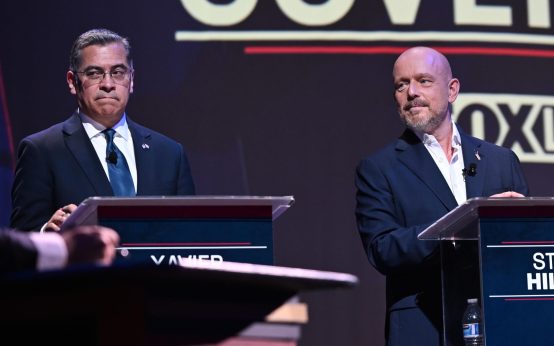 Becerra and Hilton Clash in California Gubernatorial Debate
  California Voters to Decide on $7.5 Billion State Research Fund
 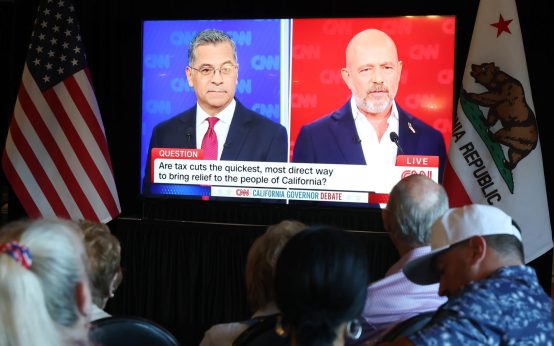 Highlights from the California Gubernatorial Debate: Becerra vs. Hilton
 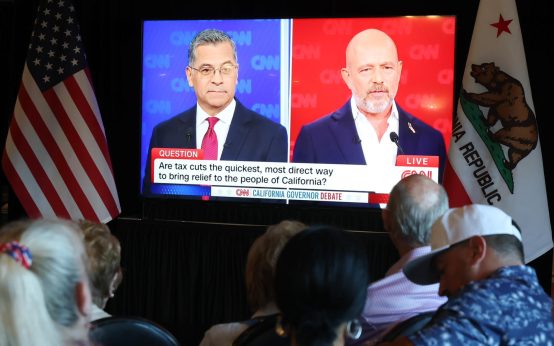 Becerra vs. Hilton: The Debate and Key Issues in the California Governor Race
  Senate Confirms New Labor Secretary