
Intensified Conflict and Its Economic Impact
The United States and Iran have resumed intense conflict as President Donald Trump has stated Iran must “pay the price” for delays in negotiating a deal to conclude a conflict nearing four months. The U.S. naval blockade is exacerbating the damage to Iran’s economy. However, the global repercussions, including in the U.S., are significant.
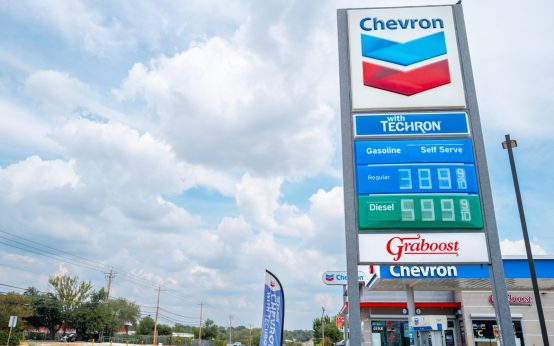
New data highlights these effects. The Consumer Price Index revealed a 4.2% rise in inflation in May compared to the previous year, marking the largest annual increase in three years. Energy prices have jumped 20.3% over the last year, while gasoline prices have soared by 40.5%. These figures trigger concerns that ongoing Middle East conflicts might further pressure inflation, which could strain the economy as American consumers grapple with escalating costs.
The Burden on Consumers
Mark Zandi, chief economist at Moody’s Analytics, noted, “The economic fallout of the Iran war is weighing increasingly heavily on U.S. consumers.” Typical American households are spending $510 more due to rising costs of gasoline, diesel, and jet fuel.
Efforts by the Trump administration to provide relief for U.S. taxpayers face challenges. In February’s State of the Union, days before sanctioning military actions with Israel against Iran, Trump highlighted tax reforms aimed at easing burdens on working Americans. Lower fuel costs were cited as economic progress. Yet, the Middle East crisis has overshadowed these gains, impacting specific groups more than others.
Zandi observed that personal tax cuts this year increased refund checks by less than $350. Low and middle-income Americans bear the brunt, allocating a higher budget share to energy costs. Tax cut benefits are fading, while war-induced costs erode consumer purchasing power and broader economic health.
Diane Swonk, chief economist at KPMG U.S., mentioned, “The economic aggregates mask growing inequality, and inflation is a regressive tax—it hits those who can afford it least the most.” Higher-income households continue spending, buoyed by investment gains and wage growth, while lower-income groups struggle with rising costs.
Historical Shocks and Current Realities
The U.S.-Israeli conflict with Iran is the latest shock to test U.S. economic resilience. Initially, the COVID-19 pandemic caused price decreases. Then, the 2022 Russian invasion of Ukraine disrupted markets with Western sanctions on Moscow.
The war against Iran impacts oil and gas prices. The energy-intensive AI sector, along with farmers facing escalating costs of fertilizers, chemicals, and fuel, contributes to fears of a persistently altered market. Swonk cautions against viewing these shocks as temporary, emphasizing a trend of normalized inflation.
Trump’s Response and Economic Trends
President Trump, despite increasing pressure, remains undeterred by these figures. In an Oval Office remark, he joked about “loving the inflation,” suggesting the U.S. has covertly extracted oil from the Strait of Hormuz. He predicted a dramatic reduction in inflation post-conflict.
The interdependence of the war, market, and consumer prices is evident. Betsey Stevenson, University of Michigan professor and former White House economist, noted a 21% rise in gasoline prices and 11% surge in energy prices at war onset in March. Though prices kept rising in April and May, the rate slowed. Stevenson discusses less extreme monthly inflation increases relative to the annual average.
Oil shocks have evolved since previous crises. The 1970s experienced critical gasoline shortages due to Arab OPEC boycotts and the 1979 Iranian Revolution. Ryan Nunn from Yale highlights differences since then, noting reduced U.S. oil dependence per economic output and increased energy production via fracking. This change means less severe macroeconomic impacts from oil shocks, with real GDP growth reduced by less than half a percentage point over a year.
Future Economic Challenges
The shock intensifies with prolonged conflict. According to Nunn, a larger or prolonged shock could amplify economic consequences. The Federal Reserve’s responses may counteract inflation but could slow economic activity.
Michael Pearce at Yale warns of downgraded U.S. GDP growth forecasts from 2.8% to 2.1%, contingent on a potential U.S.-Iran deal by month’s end and resumed Strait of Hormuz traffic.
In a scenario where conflict drags into 2027, oil prices could skyrocket to $150, straining U.S. consumers, worsening supply chain disruptions, and potentially triggering significant equity market corrections.
Pearce maintains that a recession remains unlikely but warns of sluggish economic growth in such an environment.
 Marine Veteran Suing Oregon School District Over Curriculum Reimbursement
  Tennessee Execution Halted as Issues Persist with Lethal Injection Protocol
  Judge Dismisses Case Against Former Olympian Over Lincoln Memorial Incident
  Minnesota Family Files Civil Rights Lawsuit Over ICE Agent Shooting
  California Bans Child Marriage, Protecting Minors
  U.S. States Extend Gas Tax Waivers Amid Rising Fuel Costs Due to Iran Conflict