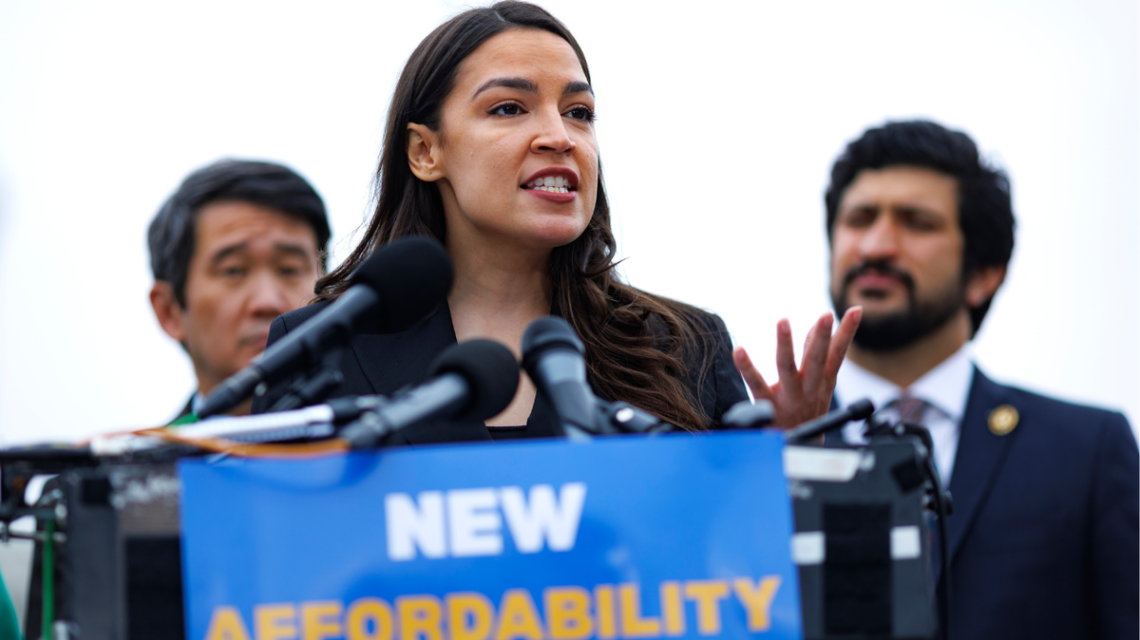
Recent discussions around a federal $25 minimum wage mandate have sparked concerns about potential job losses, particularly in Sun Belt states experiencing significant population growth. Economists caution that such a mandate could eliminate millions of jobs across the U.S.
Legislation and Concerns
Progressive members of Congress are advocating for an increase in the federal minimum wage to $25 per hour by 2031 for large employers. Smaller businesses would reach this rate by 2038. This proposal also aims to eliminate the federal tip credit, requiring tipped employees to be paid a minimum of $25 per hour.
Rebekah Paxton, research director at the conservative Employment Policies Institute (EPI), warns that this mandate would severely impact employment. The EPI projects a potential loss of over 5 million jobs nationwide, with states such as Texas, Pennsylvania, Georgia, North Carolina, and Florida facing the largest absolute job losses.
Impact on States
These states have a large workforce and currently adhere to the $7.25 federal minimum wage. Implementing a $25 wage would more than triple the existing rate. Texas, North Carolina, and Florida, which have grown post-COVID, could see notable impacts.
Paxton explains that increasing the minimum wage could double or triple labor costs, with businesses potentially absorbing these costs through price hikes. However, many economists, business owners, and workers believe this approach may not succeed. As a result, businesses might reduce jobs and working hours.
Industry Insights
The restaurant and hospitality sectors would be heavily affected, with over a third of projected job losses occurring in these industries, including 1.2 million tipped workers.
Advocacy and Debates
Left-leaning activists are renewing efforts to establish a $25 minimum wage amidst a national affordability crisis. The federal minimum wage has remained at $7.25 since 2009, despite rising living costs. Saru Jayaraman, president of One Fair Wage, notes that voters across the political spectrum support the wage increase.
The movement for higher wages is tied to broader legislative proposals, such as the Living Wage For All Act. It aims to make substantial changes in areas like minimum wages in high-cost cities, similar to recent ’30 by ’30’ initiatives in California and New York.
Warnings and Projections
Free-market economists warn that a federal $25 minimum wage could exacerbate inflation and reduce entry-level hiring. However, One Fair Wage asserts that increasing the minimum wage is essential to address the affordability crisis and improve living standards.
They argue that increased wages would enable workers to sustain themselves and support economic growth. They emphasize that the Living Wage For All Act offers a phased approach, allowing smaller businesses time to adjust.
Research and Analysis
One Fair Wage disputes claims of large-scale job losses, citing research indicating that significant wage increases raise incomes without markedly affecting employment. They highlight studies by UC Berkeley and the Roosevelt Institute that support this view.
Joshua Q. Nelson, a Fox News Digital reporter, covers cultural trends, education, and public policy. He has a background in citizenship and public affairs from Syracuse University and public policy from the University of Pennsylvania.
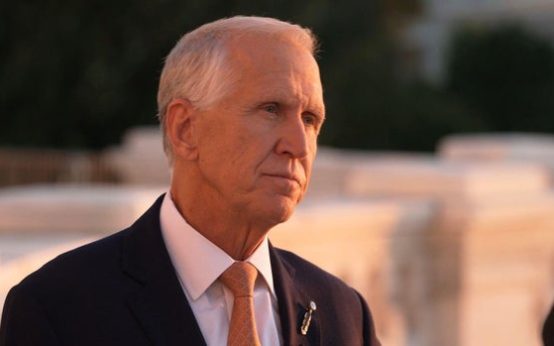 Sen. Thom Tillis Criticizes Trump’s Administration in New Book
 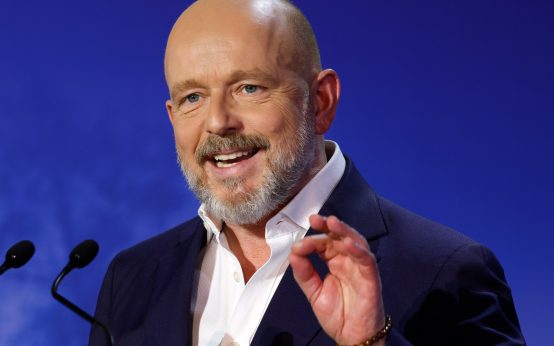 Controversy Surrounds Steve Hilton’s Campaign Ad Amid Gubernatorial Race
 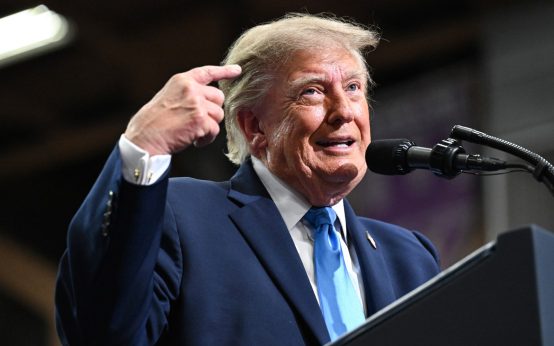 Trump Calls for Probe into Alleged ‘Paid Protesters’
  Donald Trump Criticizes Fox News for Rally Coverage
  Rahm Emanuel Advises Against Impeaching Trump and Calls for Ethics Reforms
  Rahm Emanuel Discusses Potential Presidential Run and Jewish Identity