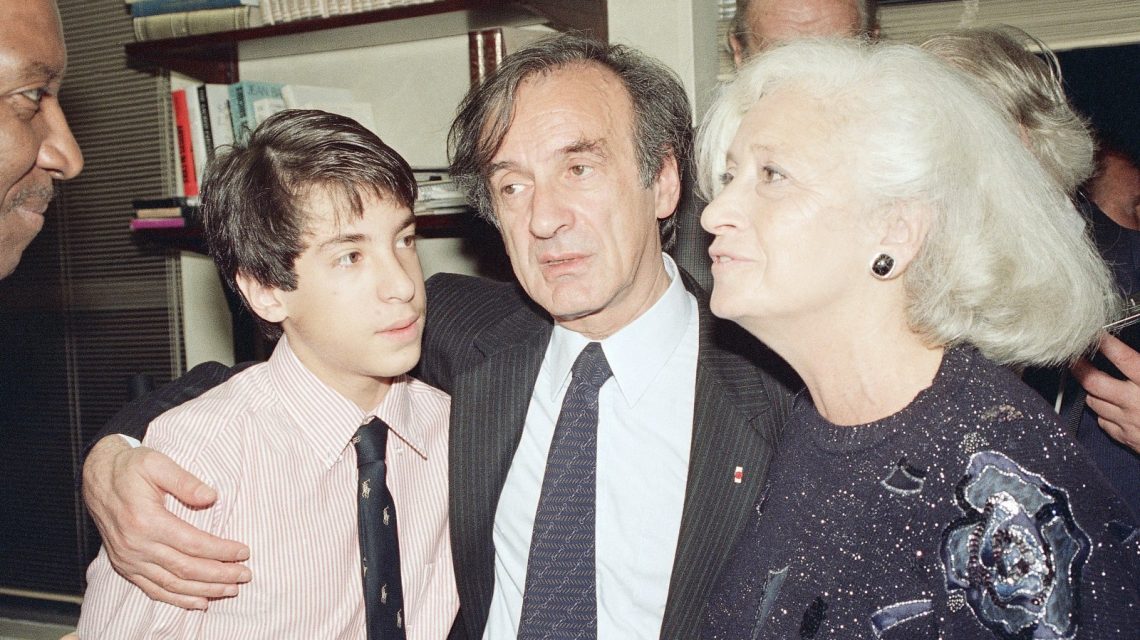
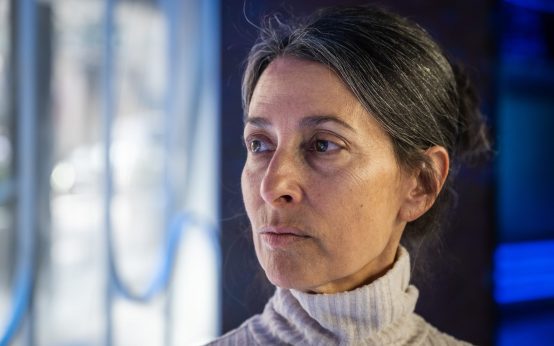
Elisha Wiesel, son of Holocaust survivor and Nobel laureate Elie Wiesel, identified October 8 as a pivotal moment in Jewish life in America. Speaking to Newsweek before the 2026 Elie Wiesel Prize in Ethics Awards Ceremony, he expressed that on this date, perceptions shifted, and those once seen as allies began viewing Jews as adversaries.
This year’s Ethics Awards theme, ‘Silence, Conscience, and Responsibility,’ resonated with the current climate. Wiesel views the period after October 7, when Hamas attacked southern Israel, as revealing a resurgence of antisemitism and an institutional failure to recall the dangers of silence and indifference.
Elie Wiesel dedicated his life to Holocaust testimony, warning against hatred growing unchecked. Elisha Wiesel observes, ‘Antisemitism has never vanished,’ expressing deep concern for the safety of Jews today compared to his father’s era.
He critiques the current failings in Holocaust education, stating, ‘We went all in with Holocaust education.’ He argues that while this education nurtured empathy for historical suffering, it failed to extend to living Jews. This disconnect, he feels, highlights the importance of October 8.
October 7’s violence against Jews reaffirmed their vulnerability. However, witnessing sympathy turning into suspicion towards Jews and Israel concerned Wiesel. He perceives current accusations against Israel as echoing historic lies against Jews.
Wiesel argues that Jewish institutions need greater assertiveness. He urges Holocaust memory organizations to engage more vigorously in contemporary debates around Israel.
Internally, Wiesel critiques Jewish communities for not effectively challenging common depictions of Jews as uniformly white and colonial. He advocates for education that includes global Jewish communities, stressing that Jewish identity transcends American racial categories.
The political landscape is another concern for Wiesel. He points out the partisan divide, where political affiliations often overshadow Jewish identity. He notes a growing trend where individuals identify with political parties before their faith or nationality.
This issue is particularly acute on college campuses. Both of Wiesel’s children, attending college, experienced the tension following the October 7 events. He appreciated the Trump administration’s responsiveness to Jewish students’ concerns during protests.
Despite his concerns, Wiesel sees a potential awakening in the Jewish community following October 7. He describes it as a transformative day, one that evoked a deeper understanding of historical narratives among his own children.
Reflecting on this period, Wiesel hopes for a stronger collective Jewish identity and American unity. He believes a new wave of activists will emerge, committed to making their children proud, as they were of their parents’ resilience and moral courage.
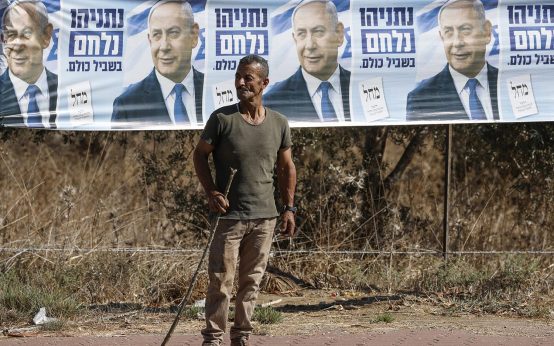 Israel Marks Third Anniversary of Hamas-Led Attack with Commemorations
 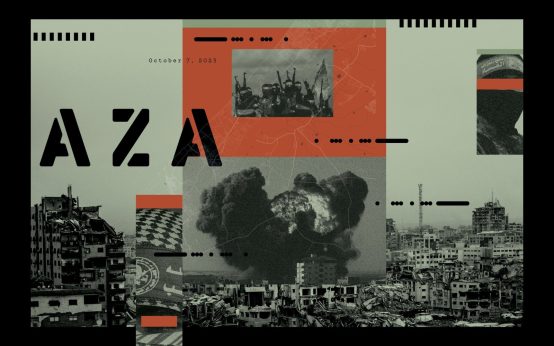 The Impact of October 7, 2023: Understanding Hamas’ Attack and Its Aftermath
  Advocates Step In as Official Channels Struggle with Family Homelessness
  From Birth to Bravery: A Story of Overcoming Clubfoot
 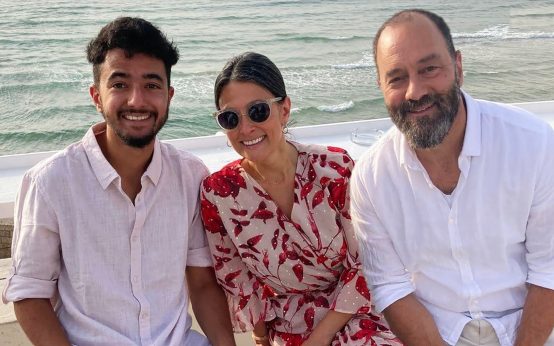 Grief and Memory: Families and Nations Respond to Tragedy
  Remembering Hersh Goldberg-Polin