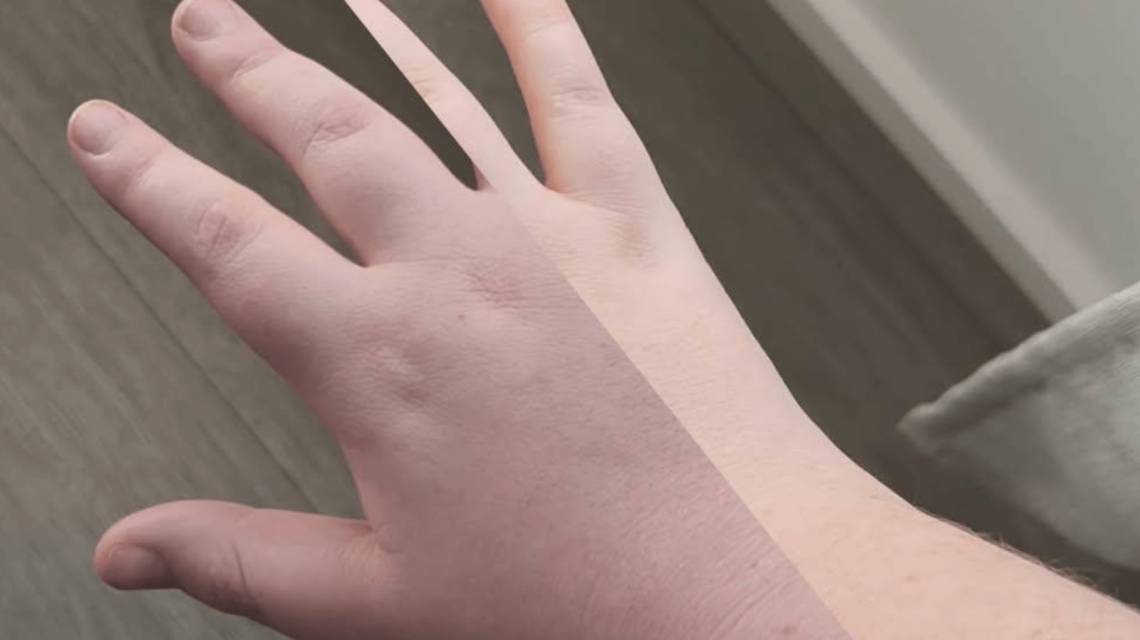
Elizabeth Lynch, a 28-year-old creative professional from Melbourne, Australia, faces significant challenges due to a rare diagnosis. Lynch, who requested to be referred to by her middle name, makes a living as an artist, photographer, and graphic designer. Her work requires extensive use of her hands and arms, activities that have become increasingly painful.
Lynch lives with Ehlers-Danlos syndrome (EDS), a genetic connective tissue disorder. This condition has caused her consistent pain and joint issues throughout her life. Despite these challenges, she managed to build a career in creative fields. However, recent years have seen her symptoms worsen, prompting further investigation.
Lynch initially experienced pain in her neck, shoulder, and arm, which later evolved into numbness, tingling, and weakness. She noted experiencing swelling and frequently dropping items she held. The severity reached a point where holding a pen or clicking a mouse became uncomfortable. This was alarming, given her reliance on art and photography for work and personal satisfaction.
Her condition was eventually diagnosed as vascular and neurogenic Thoracic Outlet Syndrome (TOS). This occurs when the arteries and nerves between the neck and arm get compressed, obstructing blood flow and causing nerve irritation. A 2018 study published in the Journal of Brachial Plexus and Peripheral Nerve Injury indicates that neurogenic TOS is often a result of physical trauma or repetitive motion. Initial treatments usually involve physiotherapy, but in some cases, surgical intervention is necessary for relief.
Lynch shared how her symptoms included numbness, tingling, and pain, which intensified under strain. While encouraged to continue physical therapy, efforts like strength training and water therapy exacerbated her pain. She found herself needing assistance with daily tasks such as driving, cooking, and personal grooming. Activities like photography and previous hobbies became daunting, reflecting the severity of her condition.
In December 2025, Lynch underwent a major surgical procedure that involved removing certain muscles and decompressing the brachial plexus. Surgeons noted significant abnormalities contributing to her symptoms, leading to partial improvement. Despite this, Lynch continues to battle nerve pain and other complications, indicating the need for future surgeries.
Lynch chose to go public about living with TOS and EDS, aiming to raise awareness. She shared a striking visual on Reddit spotlighting her condition’s impact, and hopes her story will help others with similar unexplained symptoms. She emphasized the importance of awareness, especially since many healthcare professionals are unfamiliar with these conditions.
Lynch’s journey to diagnosis and treatment has been long and arduous. She advocates for more knowledge and understanding of rare conditions like hers, expressing hope to protect her nerves and circulation. Her goal is to regain function and return to creative work without persistent pain.
 Understanding Inflammation: Myths and Facts
  Calm Parenting: Strategies to Manage Stress
  Trump’s Executive Order to Combat Mosquitoes and Ticks in D.C.
  Overcoming Weight Loss Challenges: Brain Health and GLP-1 Medications
  Supporting Children’s Mental Health at Home: Practical Steps for Parents
  Tragedy and Immigration: The Impact on a Family