Tuchel’s Appointment: Expectations and Reality
The appointment of Thomas Tuchel as England’s manager in 2024 was based on his reputation as a knockout specialist, known for devising tactical plans tailored to each occasion. The Football Association believed Tuchel would boost England’s chances of clinching the World Cup. Under previous manager Gareth Southgate, England experienced significant matches but often fell short, seemingly stuck in passivity during crucial moments. This approach faced criticism for failing to adapt against strategic opponents, as evidenced in the World Cup semi-final against Croatia, eight years ago. England was ahead, 1-0 with 22 minutes remaining, but ultimately succumbed to Croatia’s resilience.
Proactive Disaster Against Argentina
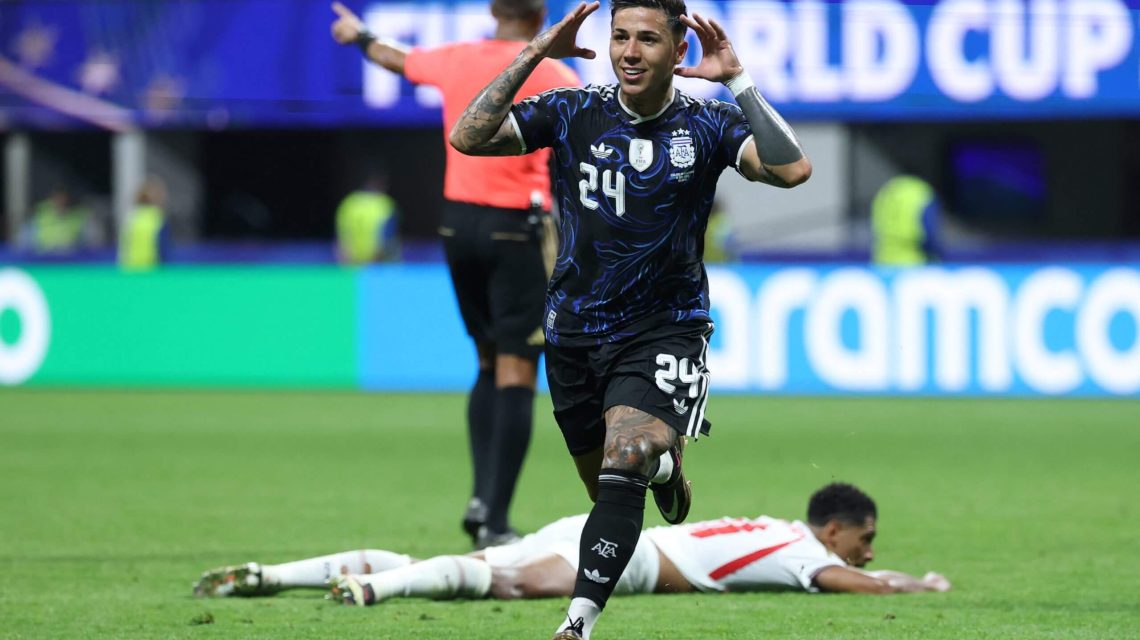
Unlike Southgate, Tuchel’s strategy against Argentina was far from passive. England’s defeat was a self-inflicted collapse, characterized by a deliberate retreat into their own penalty area. This led to England’s elimination in their third World Cup semi-final, while Argentina advanced to New York. The match’s final minutes saw England lose their lead when Enzo Fernandez scored to tie it 1-1. Despite holding the advantage, England’s defense crumbled under Argentina’s relentless attacks, aided by marginal luck and poor finishing from their opponents.
Missed Opportunities and Tactical Errors
England’s downfall stemmed from missed opportunities earlier in the match. Anthony Gordon’s goal, a result of incisive counter-attacking, placed England in a favorable position. However, England failed to capitalize on this advantage. Tuchel did not utilize pace from the bench, neglecting players like Bukayo Saka, Noni Madueke, and Marcus Rashford to pressure Argentina or secure victory. After taking the lead, England’s attack diminished, with only a blocked shot from Kane and a stalled counter-attack by Morgan Rogers. The match settled near Jordan Pickford’s goal, exposing England to Argentine attacks.
Tactical Decisions and Defensive Retreat
Tuchel’s tactical moves proved detrimental. Despite England’s worrying defensive depth, Lionel Messi exploited gaps, nearly leading to goals from Nico Gonzalez and others. Tuchel’s crucial error was reverting to a back five, the Azteca Plan. This strategy involved deep defensive positioning with Ezri Konsa replacing Gordon. While effective against Mexico’s aerial strategy, it failed against Argentina, whose attacks exploited England’s defensive trenches. Fernandez’s goal equalized, setting the stage for Argentina’s victory, bolstered by Lautaro Martinez’s winner. England’s ultra-defensive play hindered their ability to respond or shift tactics, highlighting a radical anti-possession approach.
England’s Painful Lessons and Future Implications
England’s defeat mirrored their loss to Croatia in Moscow’s Luzhniki Stadium. The previous defeat served as a footballing lesson for a young team under an inexperienced manager. This time, no such excuses applied. The experienced England squad, strengthened by top players like Harry Kane and Jude Bellingham, should have excelled with Tuchel’s leadership. The FA’s investment in Tuchel aimed to maximize England’s physical edge and strategic potential. Instead, England’s inability to attack led to their collapse. The match showcased England’s repeated retreat and inability to withstand pressure until overwhelmed. Ultimately, England’s choice in tactics spelled their demise.
 White Sox’s Pope Hat Promotion Shines Amid Playoff Push
  Phillies Edge Braves in 10th, Push Series to Game 3
  Arike Ogunbowale Sets Playoff Record as Dallas Wings Force Game 3
  Chicago White Sox Triumphs in 2026 Postseason
  Atlanta Dream Defeats Washington Mystics to Advance in WNBA Playoffs
  MLB Wild Card Series: Drama Unfolds