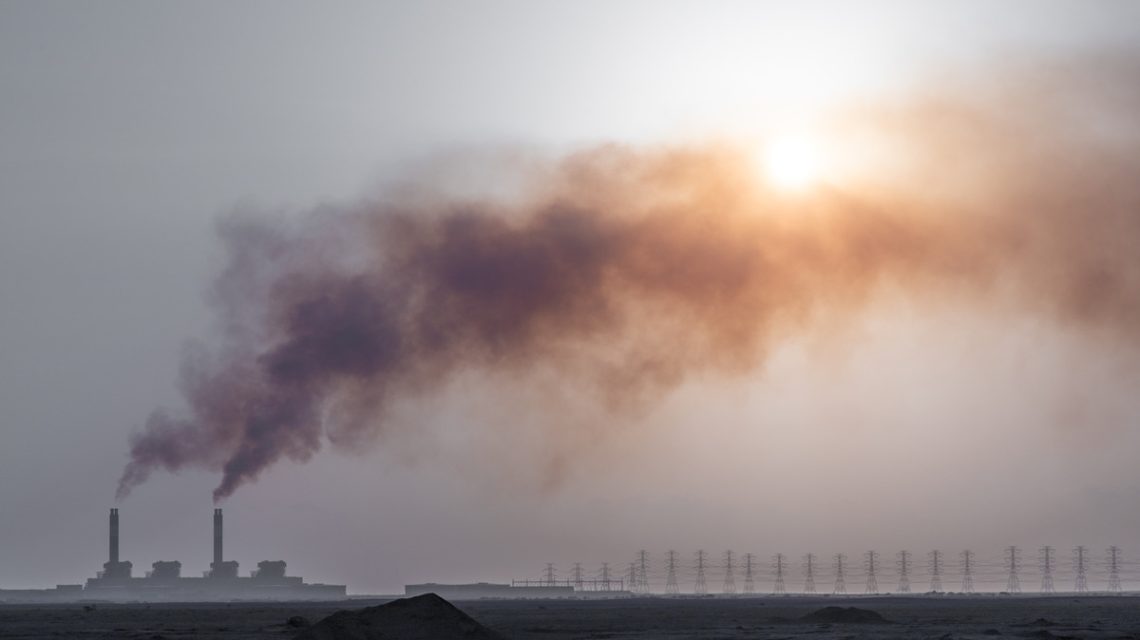
Iran attacked desalination sites in Kuwait twice over the weekend. Authorities in Kuwait confirmed these incidents. Iran also reported strikes on one of its plants, crucial for providing drinking water to thousands.
The second Iranian attack on a Kuwaiti desalination plant started a fire. This fire affected several electricity generation units, according to Kuwait’s electricity, water, and renewable energy ministry.
Officials in Kuwait described a “hostile attack” on a joint desalination and power plant. They reported that part of the site caught fire, leading to the disconnection of several electricity units. Residents were advised to reduce their electricity and water usage.
On Monday, Iran’s military announced attacks on an air base and port in Bahrain, and a Kuwaiti military base housing U.S. special forces. Meanwhile, Iranian media stated the U.S. struck an Iranian desalination plant on Saturday. This attack severed water access for approximately 10,000 people.
Experts have long highlighted the susceptibility of desalination plants in the Middle East to attacks and natural disasters. Such strikes represent a significant escalation in regional conflicts. According to Yossi Mekelberg from the Chatham House think tank, attacks on these facilities will likely prompt a response.
Both Iran and the U.S. have accused each other of targeting critical infrastructure that supports civilians. International law generally labels such actions as war crimes unless there’s a military objective.
Desalination Plants: Their Role and Importance in the Gulf
Desalination plants remove salts and minerals from seawater, producing fresh water for Gulf state residents. This water supports daily life, agriculture, and essential services like hotels and hospitals.
The World Health Organization warns that losing access to desalinated water could lead to disease outbreaks and displacement. The desalination process, known as reverse osmosis, sustains tens of millions of people in the Gulf.
There are around 5,000 desalination plants in the Middle East. In Kuwait, 90% of the drinking water comes from these plants. Bahrain also relies heavily on desalination, though a plant was reportedly struck by Iran in March without extensive damage.
In Qatar, nearly 99% of the drinking water derives from desalination. Nevertheless, Qatar has developed large storage facilities to ensure water availability if plants are compromised.
Some Middle Eastern countries like Saudi Arabia also depend on desalination but supplement it with other water sources. Experts consider desalination plants expensive and energy-intensive to operate. They pose a vulnerability during wartime or natural disasters, given their importance to the populace.
Desalination plants are often connected to power plants, so damage can affect both water and electricity supplies. The Atlantic Council reported earlier this year on the potential devastation if Gulf’s desalination infrastructure were destroyed.
Reported Strikes on Iranian Plants
In March, Iran’s top diplomat, Abbas Araghchi, accused the U.S. of striking a plant, impacting water supply to 30 villages. The U.S. denied targeting facilities on Qeshm Island in the Strait of Hormuz.
Araghchi termed the alleged U.S. strike as “dangerous” with severe consequences. An Iranian lawmaker claimed U.S. attacks on a southern plant damaged equipment and pumping stations.
Despite reports, Tehran’s energy ministry confirmed that all southern desalination plants are functional. They stated no water shortages on Iran’s islands, as per IRNA state news agency.
 Mayor Mamdani Responds to Netanyahu’s United Nations Speech
  British Prosecutors Charge Man with Terrorism Over Politician’s Murder
  Backlash Against Trump’s White House Photos
  State Department Accuses Senate Democrats of ‘Grandstanding’ Over Venezuela Oil Deal
  EU Plans Deportation of Rejected Asylum Seekers
  British Police Arrest Man Suspected of Terror Plot