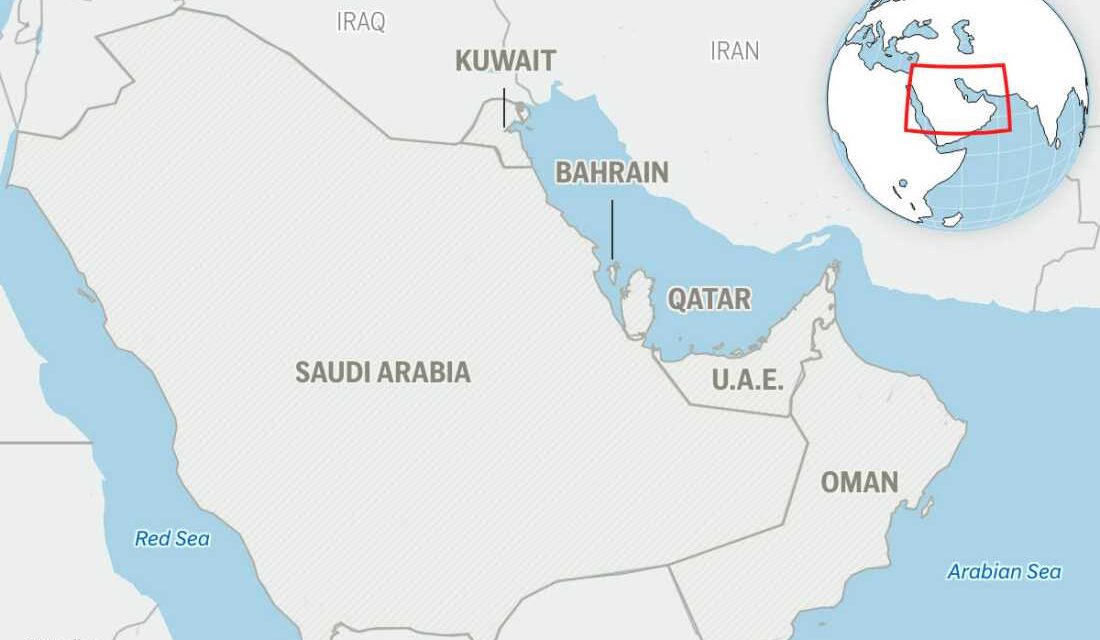
The Gulf Cooperation Council, consisting of Saudi Arabia, Bahrain, Qatar, Oman, Kuwait, and the United Arab Emirates, finds itself amidst heightened tensions. The United States military conducted airstrikes targeting Iranian radar and drone control stations following the downing of a U.S. MQ-1 Predator drone by Iran. This took place around the city of Geruk and on Qeshm Island, as reported by the U.S. Central Command.
The strikes were described as ‘measured and deliberate’ responses to Iran’s aggressive actions. These attacks underscore the fragility of the ongoing ceasefire in the Iran conflict, with both American and Iranian forces still engaging militarily despite diplomatic efforts.
U.S. Military Action
The U.S. military strikes focused on Iranian air defense systems, a ground control station, and operational drones posing threats to navigation in the region. The U.S. Central Command reported no American casualties in these operations. Although the U.S. Air Force has replaced the MQ-1 Predator with the MQ-9 Reaper, the Army continues its use.
Kuwait’s Response
In the midst of these developments, Kuwait’s air defenses responded early Monday to intercept drone and missile fire allegedly originating from Iran. The state-run IRNA news agency stated that Iran’s Revolutionary Guard targeted a telecommunications facility in retaliation. Footage aired on Iranian state television depicted missile launches featuring imagery critical of former U.S. President Donald Trump, symbolizing ongoing regional hostility.
Impact on Ceasefire Negotiations
These military exchanges occur against a backdrop of complex negotiations over Iran’s uranium stockpile and other strategic issues. Tensions have also impacted shipping and energy supplies across the Gulf, with concerns about the potential risks to global chemical fertilizer supplies.
Former President Trump discussed the potential extension of the ceasefire with advisors, yet no decision has been publicized. Iran remains firm that no formal agreement has been reached. In a statement, Trump projected confidence in the negotiations, reassuring that a favorable outcome is likely.
 Rabbi and Jewish Leaders Criticize Adam Brody for ‘Genocide’ Comment
  Flydubai’s Emergency Landing Highlights Cockpit Security
 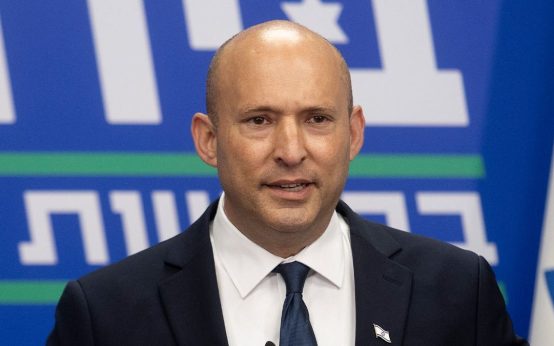 Former Israeli PM Naftali Bennett Commends Passengers and Crew for In-Flight Heroism
  Diplomatic Complexities Unfold at U.S. National Archives Visit
  Russia’s Nuclear Threats Amid Tensions with the UK
  Future Cities: Ambitious Projects Aiming for Innovation and Sustainability