Many of Europe’s right-wing and populist leaders, who once found common ground with President Donald Trump, are now distancing themselves from the White House. This shift reveals divisions in what was seen as a growing trans-Atlantic alliance.
Key Disputes
Conflicts over U.S. relations with Israel and Iran, territorial interests in Greenland, and tariffs imposed on European allies have created a significant rift between Washington, D.C., and its closest ideological partners abroad. Analysts suggest these changes stem from both policy disagreements and the potential political risks for European leaders perceived as too closely linked to Trump.
Meloni’s Break with Washington
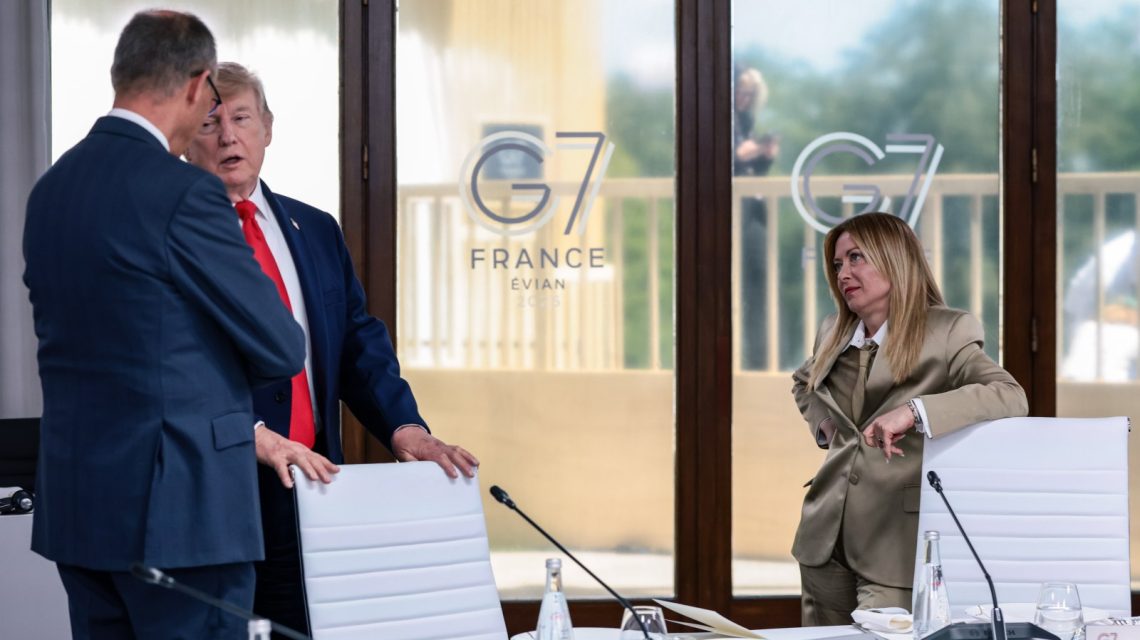
Tensions between Trump and Italian Prime Minister Giorgia Meloni heightened following Trump’s claim that Meloni sought a photo with him at the G7 summit, a claim she denied. This led to the cancellation of a visit by Italy’s foreign minister to the United States.
The break between Meloni and Trump began when Trump criticized the pope, and Meloni chose to support Pope Leo. Despite efforts to mend relations at the G7 summit, no reconciliation occurred. Trump’s attitude towards Europeans further strained relations. Now, the divide appears irreparable.
Meloni’s administration denied the United States access to the Sigonella air base in Sicily for military use related to the Iran conflict. This decision reflects domestic political pressures, including opposition to the war and rising energy prices in Italy.
Johns Hopkins’ Nathalie Tocci observes that far-right nationalists like Trump and Meloni inevitably clash. She predicts that Meloni will now avoid further public confrontations. The formal relationship between Italy and the U.S., encompassing economic, societal, and military ties, remains intact. Yet, European leaders, Meloni included, now recognize that maintaining a positive political relationship with Trump is improbable.
France’s National Rally Signals Distance
Leaders of France’s far-right National Rally, long aligned with Trump’s nationalist positions, have increased their critiques. Marine Le Pen called Trump’s Iran policy ‘erratic,’ and party president Jordan Bardella cautioned against what he views as ‘imperial ambitions’ in Greenland and Venezuela.
Trump’s ambitions for Greenland have caused discomfort in Europe, even among right-wing parties that had previously aligned with him. Privately, National Rally officials worry that appearing too close to Trump could alienate voters in future elections.
Germany: Criticism from Both Right and Center
In Germany, criticism is emerging from both the populist right and the center-right government. The far-right Alternative for Germany (AfD) has criticized Trump’s foreign policy and called for U.S. troop withdrawals from German bases, showing mounting unease even among erstwhile supporters.
Chancellor Friedrich Merz has publicly challenged the White House over the Iran issue, describing U.S. negotiations with Tehran as ‘humiliated.’ Trump retaliated with criticisms and threats to reduce military presence in Germany, a move with significant NATO implications.
A Broader Political Liability
Nigel Farage, a longtime advocate of Trump’s policies in the United Kingdom, expressed concern over the Greenland issue, labeling it a ‘hostile act.’ Although Farage stopped short of severing ties with Trump, these tensions showcase a pattern: Trump’s influence, once advantageous for Europe’s nationalist movements, has become a political liability in some contexts.
Political scientists suggest that European right-wing parties face a delicate balance. While they share common ideas with Trump on matters like immigration and nationalism, they also need to cater to domestic electorates wary of foreign entanglements and economic disruptions.
Future Outlook
These rifts do not equate to a total collapse of U.S.-Europe right-wing connections, but they highlight a considerable change in dynamics. Trump continues to connect with some nationalist figures, maintaining shared ideology on certain issues. However, disputes over Iran, trade, and territorial control illustrate clear limits, especially when U.S. policies clash with European political conditions.
 Maryland First State to Restrict Electronic Pricing in Grocery Stores
  British Police Arrest Man Suspected of Terror Plot
  Activists Push for Nationwide Ban on Child Marriage in the U.S.
  Democratic Hopes and Historical Warnings in 2026 Senate Race
  Republicans Face Challenges Amidst Cost of Living Concerns
  A Different Kind of Fall for Congress This Year