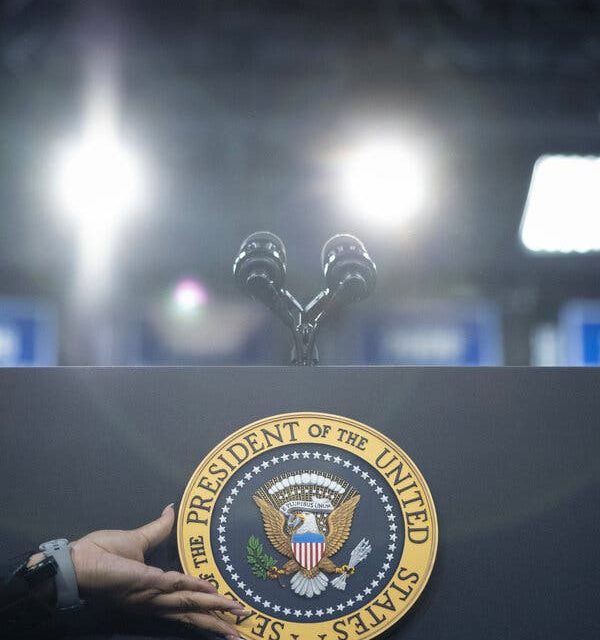
The draft of the United States Constitution was a pivotal moment in American history. The framers aimed to create an influential executive role, the president, with clearly defined limits on power. Their goal was to foster strong leadership while preventing any shift toward monarchy.
Benjamin Franklin addressed this delicate balance during the Constitutional Convention in June 1787. He confidently referred to the first president, George Washington, as a suitable leader. Yet, Franklin also expressed concerns about future presidents, noting that the executive could increasingly resemble a monarch over time.
Alexander Hamilton’s views further illustrated these complexities. As a proponent of a robust presidency, he suggested in The Federalist Papers that there was a greater threat from leaders who pander to public opinion rather than those who prioritize stable governance. “Of those men who have overturned the liberties of republics,” he warned, “the greatest number have begun their career by paying an obsequious court to the people; commencing demagogues, and ending tyrants.”
Despite its challenges, the Constitution remains a vital document. Celebrating its longevity, it stands as the oldest written national constitution still active worldwide. Today, as the nation approaches its 250th anniversary, scholars are re-evaluating its efficacy in light of the recent political climate.
The second presidency of Donald Trump has intensified this discussion. Critics question if the existing structures truly maintain the balance intended by the founding fathers. This reflection prompts essential conversations about constitutional integrity and the need for potential reforms to prevent excessive power concentration.
 The Trump Team’s Challenge to the Military Leadership
  Maryland First State to Restrict Electronic Pricing in Grocery Stores
  Activists Push for Nationwide Ban on Child Marriage in the U.S.
  Democratic Hopes and Historical Warnings in 2026 Senate Race
  Republicans Face Challenges Amidst Cost of Living Concerns
  A Different Kind of Fall for Congress This Year