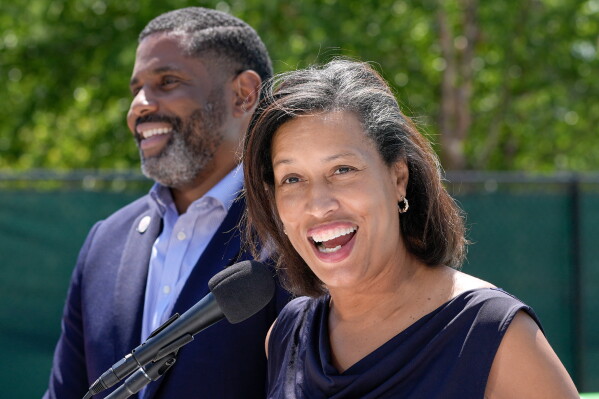
One year ago, President Donald Trump declared a crime emergency in Washington, D.C., promising to make the city ‘safe and beautiful’ with National Guard support. Now, the deployment has been extended through January 2029, sparking dissatisfaction among residents and officials who view it as an infringement on the city’s autonomy.
Scott Michelman from the ACLU of the District of Columbia expressed outrage, highlighting the irony of treating the capital of the free world like a police state. For a year, National Guard troops have been a constant presence, despite questionable necessity. This ongoing situation poses a challenge for new local political candidates, expected to resist what is seen as federal overreach.
‘There’s a deep irony that here we are in the capital of the free world, and our president is treating it like a police state,’ said Scott Michelman.
Cost and Impact of the Deployment
The deployment, introduced in August 2025, consisted of over 4,600 military personnel, along with numerous federal law enforcement officers. This effort aimed to combat crime, although many question its necessity in non-violent areas like Georgetown.
Trump’s initiative has involved troops assisting in diverse tasks such as medical emergencies and beautification projects. While some residents appreciate these benefits, extending the deployment through 2029 will reportedly cost $1.4 billion, according to the Defense Department. Although crime has decreased, with a notable drop in homicides, the debate persists on whether federal action or local efforts are responsible.
‘Temporary deployment goes on and on,’ as Trump continues aiming to transform D.C. into a haven.
Political Ramifications and Autonomy
D.C., established as a federal district by Congress, allows Trump to exert control over the police and National Guard. The Home Rule Act provides residents with a voice in local politics, but the city’s status limits their autonomy.
The summer’s Democratic primaries revolved around the deployment and autonomy, notably elevating Janeese Lewis George, a democratic socialist, and Robert White Jr. as prominent candidates. While White aims to mobilize residents to influence elections, Lewis George faces threats from Trump of federal control if elected.
Outgoing Mayor Muriel Bowser avoided confrontational rhetoric, prioritizing the city’s limited independence. Despite challenges, she stresses the importance of maintaining home rule.
‘The safety and well-being of everyone in our city remains our top priority and protecting home rule remains our North Star,’ Bowser stated.
Concerns Over Troops in Elections
A forthcoming midterm election, with National Guard presence, worries residents like Donna Powell who believe resources better suited for healthcare and families are being misallocated. Activist groups fear a repeat of political unrest similar to January 6th, particularly with troops ready to intervene.
‘Imagine if that happens again but this time he has 5,000 troops standing at the ready,’ expressed Alex Dodds, co-founder of FreeDC.
Washington’s ongoing struggle for autonomy continues as federal actions shape its future.
 Sen. Cotton Opposes Permanent Daylight Saving Time
 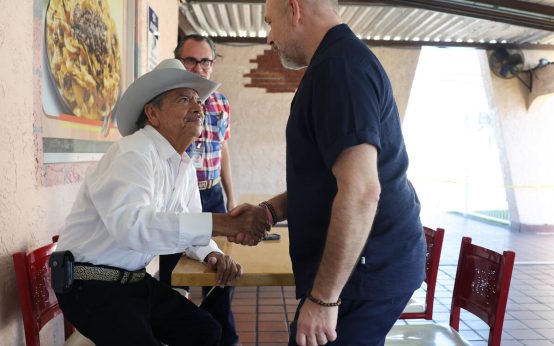 Steve Hilton’s Latino Outreach and Gubernatorial Ambitions
 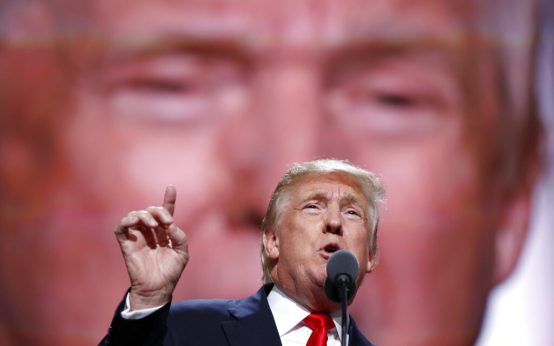 The Need for Reform in Presidential Nominations
  Controversy Surrounds Performances at Gillette Stadium
  Celebrity Controversies Over Political Activism and Speech
  Trump Pushes for Permanent Daylight Saving Time, Sharing Senator’s Contact Information