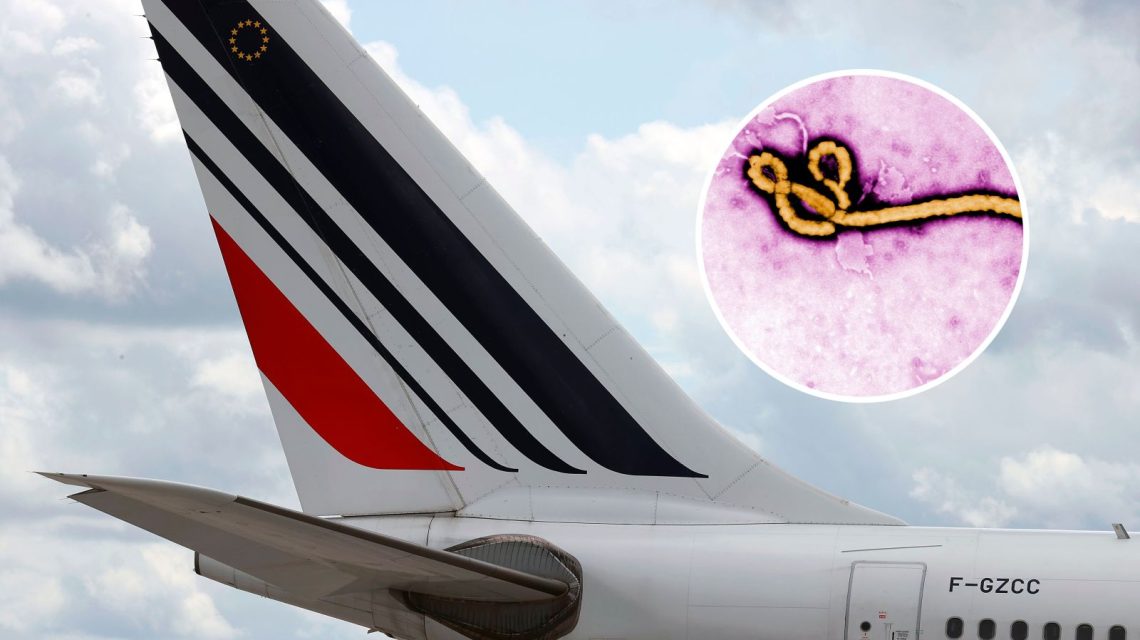
An Air France flight headed to Detroit was unexpectedly diverted to Canada on Wednesday due to fears about a passenger possibly being exposed to Ebola. The flight departed from Charles de Gaulle Airport in Paris with a passenger who originated from the Democratic Republic of Congo (DRC). According to the U.S. Customs and Border Protection (CBP), this passenger should have been barred from boarding because of U.S. entry restrictions aimed at reducing Ebola virus risks.
The CBP made a swift decision to divert the flight to Montreal to prevent the passenger from entering Detroit Metropolitan Wayne County Airport. Non-U.S. passport holders from DRC, South Sudan, and Uganda have been subjected to a 30-day travel ban starting on May 18, shortly after an Ebola outbreak caused by the Bundibugyo virus was confirmed in northeastern DRC. The outbreak led to reported imported cases in Uganda. While South Sudan has yet to report cases in the current outbreak, it remains a high-risk area as per the U.S. Department of Homeland Security (DHS).
The DHS is coordinating with other agencies to enforce enhanced public health measures at a U.S. airport with significant traveler influx from DRC, Uganda, and South Sudan. New rules are expected to mandate that all flights with passengers from these countries landing in the U.S. within the past 21 days must arrive at Washington-Dulles International Airport.
The World Health Organization (WHO) recently declared the Ebola outbreak in DRC as a ‘public health emergency of international concern.’ President Donald Trump expressed concern about the outbreak while addressing reporters during a press conference.
As of Wednesday, there are no confirmed Ebola cases in the United States. The Centers for Disease Control and Prevention (CDC) stated that the risk to the American public remains low.
American physician Dr. Peter Stafford, working in eastern Congo, contracted Ebola’s Bundibugyo strain while treating patients. He is receiving treatment in Germany, chosen for its proximity and experience in treating Ebola patients.
The DRC and Uganda have reported 536 suspected cases, 105 probable cases, 34 confirmed cases, and 134 suspected deaths as of Tuesday.
Ebola Outbreak Background
This month, healthcare workers at a hospital in Bunia Health Zone appeared severely ill. Initial tests showed negative results for Ebola virus until May 15, when eight out of 13 samples confirmed Ebola. The identified virus, Bundibugyo, is one of four that cause Ebola disease. No vaccine is available for Bundibugyo—treatment is limited to supportive care.
Bundibugyo outbreaks can result in a 30% mortality rate. The largest recorded outbreak, between 2014 and 2016, claimed over 11,000 lives.
The DRC has witnessed 17 Ebola outbreaks since 1976, with the most recent last December. DHS emphasized that lack of early intervention can lead to an international crisis and substantial socio-economic impacts.
Understanding Ebola
Ebola, caused by orthoebolaviruses, is severe and often fatal to humans and primates. Transmission occurs through direct contact with fluids from infected individuals or animals.
Bundibugyo virus, discovered in 2007, led to significant outbreaks in 2012 and 2007.
Symptoms, including fever and fatigue, progress to diarrhea, vomiting, and bleeding. Symptoms typically appear eight to ten days post-exposure.
FDA-approved treatments exist only for Orthoebolavirus zairense. Other strains, such as Bundibugyo, rely on supportive care including fluid administration, blood pressure support, and symptom management.
 Historical Events in Chicago on October 1st
  Understanding Inflammation: Myths and Facts
 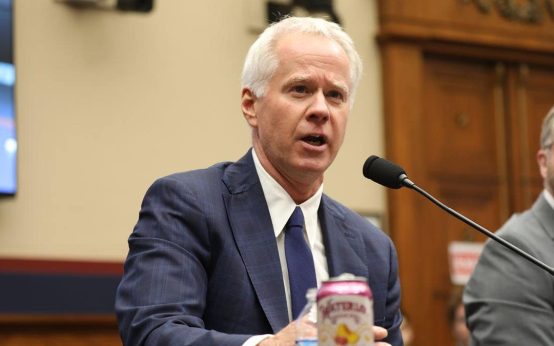 Patrick McEnroe Advocates for Collegiate Athletic Reform
  Push for Reparations Faces Challenges and Calls for Strict Eligibility
 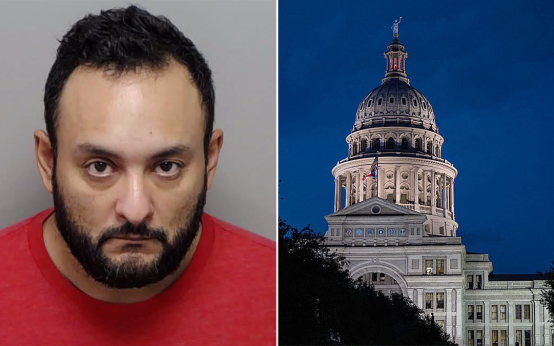 Texas Man Arrested for Threatening State Capitol Attack
  The Key Debate Between Xavier Becerra and Steve Hilton: What You Need to Know