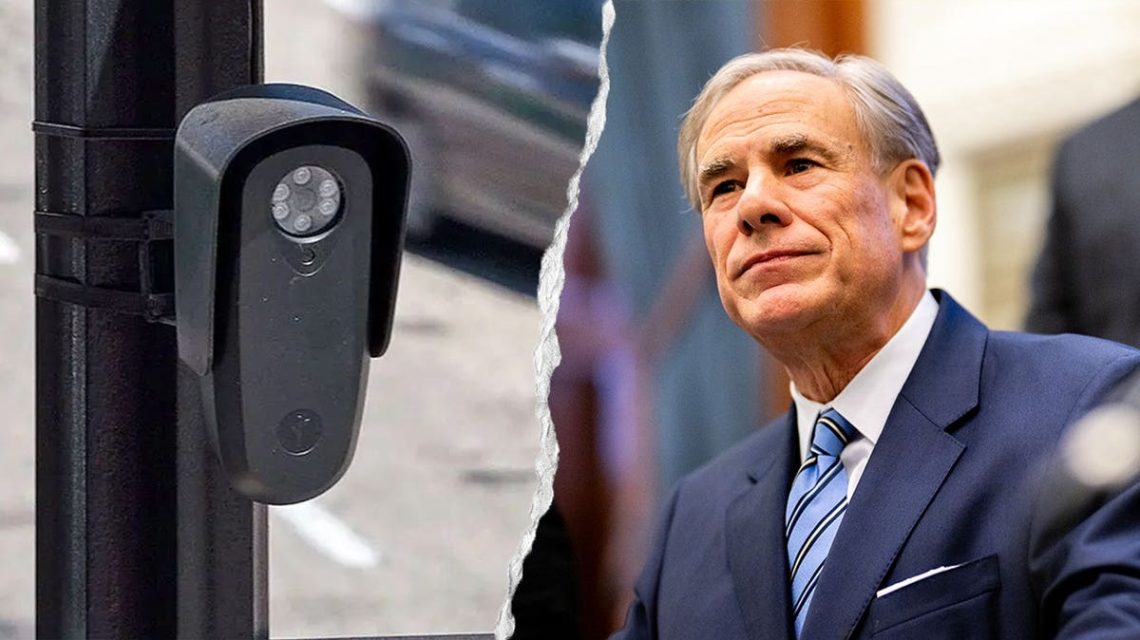
Flock surveillance cameras have become a point of contention due to privacy concerns, sparking bipartisan backlash as local governments reconsider their use. Florida Gov. Ron DeSantis has expressed worries about a growing surveillance state in over 100 cities.
Recently, Texas Gov. Greg Abbott ordered state agencies to halt funding for AI-driven Flock cameras amid privacy concerns. His office indicated that most funding for these cameras comes from the federal government, with cities across Texas choosing to cancel contracts with Flock.
Flock Safety, a prominent provider of automated license plate readers (ALPRs), is used across Texas. These cameras document passing vehicles, identifying make, model, color, and additional features. The data aids law enforcement in locating suspects, stolen vehicles, or those linked to crimes. However, opponents are concerned about data privacy and misuse.
With growing pressure from residents, Texas cities and counties are reevaluating their ties with Flock. Pflugerville City Council recently voted unanimously to terminate their agreement, shutting down 28 cameras. Likewise, Hood County officials moved to disconnect and remove their cameras.
Flock Safety defends their technology as crucial for public safety, claiming it assists law enforcement in solving crimes and promoting safer communities. They support legislation promoting responsible technology use, emphasizing transparency and privacy.
The Motor Vehicle Crime Prevention Authority, a Texas state agency, has supported the deployment of over 3,000 Flock cameras since 2023, funded by a law adding $1 to vehicle insurance policies to combat theft. Recently, Texas Agriculture Commissioner Sid Miller called for a pause on new surveillance technology purchases.
Beyond Texas, scrutiny of Flock’s technology is growing. On Capitol Hill, Sen. Josh Hawley from Missouri is investigating Flock’s extensive surveillance network. The company operates over 120,000 cameras in 49 states, capturing over 20 billion vehicle scans monthly. Hawley seeks clarity on data access and privacy implications.
 Trump’s 2024 Campaign Targets Young Men Through Cryptocurrency
  How Modern Windows Improve Home Insulation
  State Department Simplifies Passport Process with Online Applications
  Senate Democrats Block Data Center Bill Over Efficiency Concerns
  Future Cities: Ambitious Projects Aiming for Innovation and Sustainability
  High-Profile Hearing and AI Developments: Key Political Moves