Google is set to launch several new artificial intelligence tools and systems, including a proactive AI assistant designed to perform tasks on behalf of users. The term ‘agentic’ AI has become popular among tech firms and was a key topic at Google’s annual developers conference, Google I/O. One of the major announcements was the AI agent, Gemini Spark.
Sundar Pichai, Google’s CEO, emphasized the potential of AI agents despite the challenges in making them easy to use, secure, and truly helpful. Google and its parent company, Alphabet Inc., have invested billions in AI development. This investment is reflected in the company’s strong growth, with stock prices rising by 11% last month following a positive earnings report.
Gemini’s Expansion
Pichai highlighted that the Gemini app’s active user base soared from 400 million to over 900 million within a year. The latest release, Gemini 3.5, is being deployed globally, starting with the Gemini 3.5 Flash model focusing on speed and efficiency. According to Google, Flash is four times faster than some competitors and includes advanced safety training to minimize the risk of generating harmful content.
Additionally, Google announced the Gemini Omni model, enabling high-quality video creation using various inputs like text, images, and audio. Videos may later be edited through interaction with the model. While features to create images and audio are expected, details on their release remain undisclosed. Videos produced by Omni will benefit from its understanding of concepts like gravity and fluid dynamics, offering realistic visuals.
The Omni Flash model is available to Google AI Plus, Pro, and Ultra subscribers and on platforms like YouTube Shorts. All content produced will include a digital watermark, SynthID, and content credentials to verify AI-created content.
Introducing Gemini Spark
Gemini Spark is a new cloud-based AI assistant powered by Gemini 3.5, designed to handle routine tasks such as sorting meeting notes and emails. Unlike typical chatbots, it operates continuously and requests permission before executing critical actions like sending emails or making purchases. Select testers will access Spark, with a wider beta rollout planned for U.S. subscribers this summer.
AI in Wearable Technology
Among other AI-centric reveals was an update on Google’s forthcoming smart glasses. Two varieties are planned: audio glasses offering auditory assistance and display glasses providing visual cues. The audio glasses are expected later this fall, enabling voice interactions and real-time translations. Collaborations with Samsung, Gentle Monster, and Warby Parker have led to two initial designs, set to debut as part of their full collections.
Enhancements in Search and Shopping
Previously, last year’s focus was on ‘AI mode’ within Google search, which has reportedly gained over 1 billion monthly users. This mode offers conversational responses before leading users to relevant links. The latest update introduces the Gemini 3.5 Flash as the new default model and an upgraded search box. This new search box will adapt to complex queries and provide AI-powered suggestions.
Google also revealed a Universal Cart, an innovative shopping tool integrated across different services, facilitating easy addition of items while exploring content across Google platforms. The cart will automatically search for deals and notify users of price changes. It will be available later this summer.
This article was contributed to by Associated Press Writer Barbara Ortutay in Oakland, California.
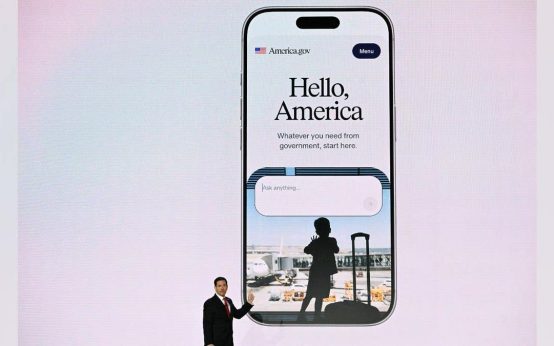 Trump Unveils AI-Powered America.gov Platform
  Trump’s 2024 Campaign Targets Young Men Through Cryptocurrency
  How Modern Windows Improve Home Insulation
  State Department Simplifies Passport Process with Online Applications
  Senate Democrats Block Data Center Bill Over Efficiency Concerns
  Future Cities: Ambitious Projects Aiming for Innovation and Sustainability