
Hannah Murray, known for her role as Gilly in ‘Game of Thrones,’ recently shared her story of entanglement with a wellness cult and the resultant psychotic break she suffered. In a conversation with The Guardian, Murray, now preparing to release her book, ‘The Make-Believe: A Memoir of Magic and Madness,’ recounted the troubling phase and how she managed to escape.
Murray highlighted the lack of critical examination of the wellness industry. She remarked, ‘It’s easy to think, that would never happen to me, but this mindset is misleading.’
Murray, from a well-educated, middle-class background, acknowledged the discrepancy between her expectations and reality. ‘I thought I was smart and made good choices. I was wrong. We must understand why people make these decisions.’
The actress’s entry into the cult happened through an energy healer she met while working on the film ‘Detroit’ in 2017. The intense, dark nature of the film’s subject matter led her to seek help from the healer, whom she called Grace.
Initially, Murray attended a $150 healing session, which spiraled into more involvement with the group. During her time there, Grace spoke about bringing light into one’s body and activating spiritual DNA using ancient tools. Murray found this appealing, driven by a childhood longing for magical realities.
Her situation worsened during a five-day course in London with the cult. Murray met the group’s leader, Steve, describing him as emitting a never-before-seen magical power. ‘I knew I was in the presence of a magician,’ she recalled.
Her breaking point was a vivid psychotic episode during this course. Amid hallucinations, she perceived herself as ‘giving birth through my skull.’ The group surrounded her, chanting for evil spirits to leave her.
Subsequently, she was hospitalized at Gordon Hospital in London for 28 days under the Mental Health Act. She was diagnosed with bipolar disorder.
Murray, who has stepped away from acting, now approaches wellness circles warily. She stresses the importance of discussing various mental health issues beyond anxiety and depression. ‘Being sectioned carries a taboo, but it’s a common experience. It doesn’t define someone negatively,’ she emphasized.
 Billy Joel’s Motorcycle Collection Heads to Auction in New York
 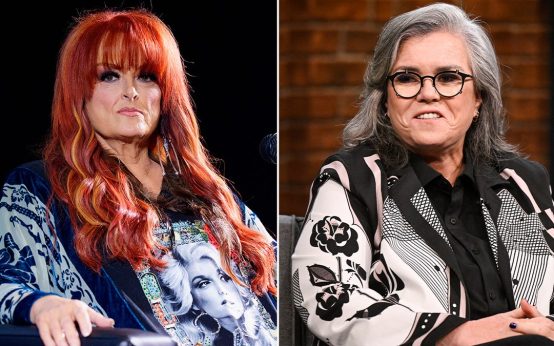 Wynonna Judd Responds to Rosie O’Donnell’s Political Assumptions
 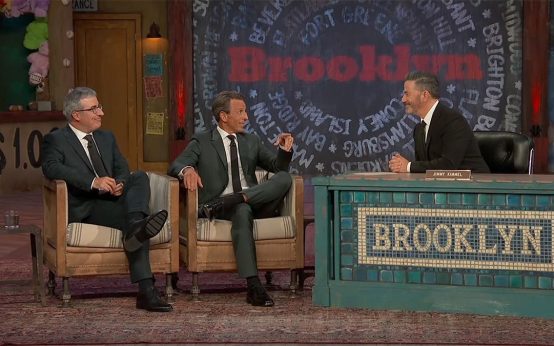 Late Night Hosts and Trump: A Comedic Armor
 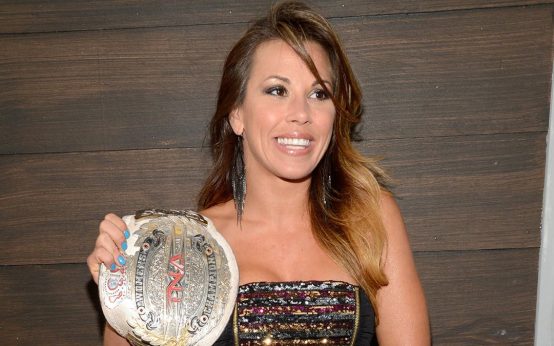 Mickie James Returns to TNA for Bound for Glory Event
  Anne Hathaway Shares Insights on Career Growth and Maternity Style
  Tinley Park Ice Cream Shop Gains Fame Through Film