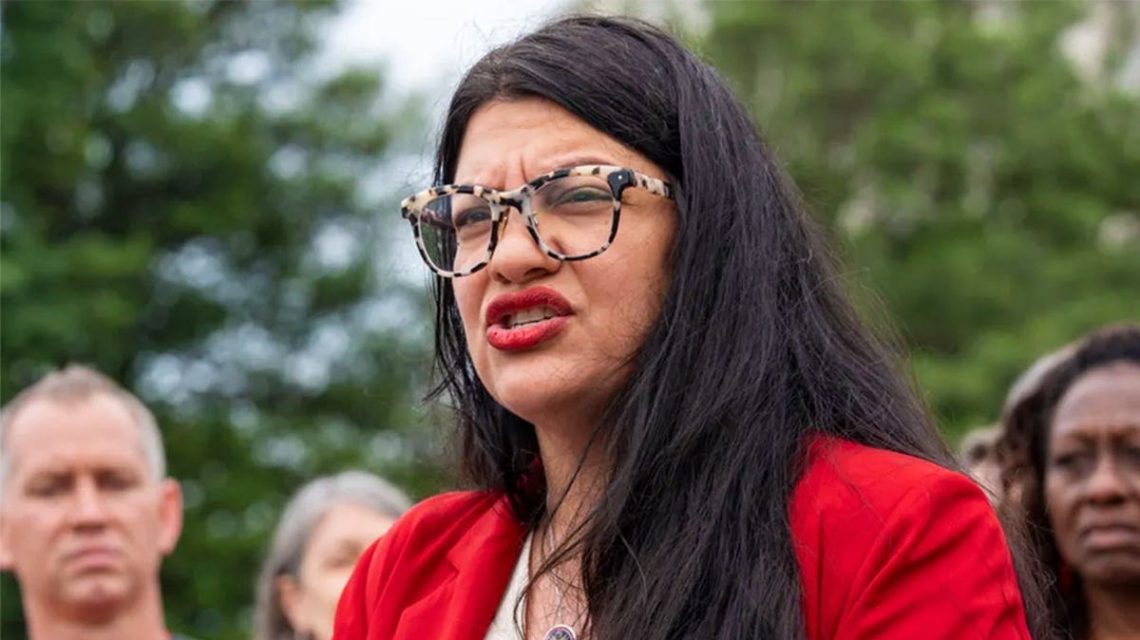
Recently, the House of Representatives encountered a disturbance during a debate over a war powers resolution concerning Lebanon. Representative Rashida Tlaib, a Democrat from Michigan, advocated for the resolution in an attempt to limit President Donald Trump’s efforts in Iran. Tlaib, one of two Muslim women in Congress, is known for her controversial stance, particularly against Israel.
Tlaib expressed her viewpoint strongly, stating, “We must end U.S. participation in the Israeli apartheid regime’s invasion of Lebanon. The Israeli military continues to target journalists like Amal Khalil and use our tax dollars to commit war crimes.” Her comments led to a heated exchange with Rep. Max Miller, a Republican from Ohio.
Miller criticized Tlaib, making personal attacks by associating her with Hezbollah, accusing her of sympathizing with terrorists. These remarks resulted in Tlaib responding from across the chamber, creating further tension during the debate.
Rep. Jay Obernolte from California, who was overseeing the debate, intervened as the situation escalated. Obernolte requested respectful and deliberate discussion on this significant matter.
Tlaib took issue with Miller’s comments, describing them as a direct attack on her character. She initiated a formal objection, known as “words taken down,” which is a parliamentary process to challenge language that may violate House rules against personal attacks.
This objection halted all activities on the House floor while officials investigated the validity of claims regarding rule violations. The rules prohibit disparaging fellow lawmakers personally.
If language is deemed rule-breaking, members might be asked to retract their words and apologize. If they refuse, the House can declare them out of order, leading to possible suspension from speaking for the rest of the day.
Following a delay, it became evident that Miller wouldn’t retract his comments. Obernolte remarked that Miller’s words, associating Tlaib with butchers and terrorists, violated House rules. Consequently, Miller was sanctioned and restricted from speaking further that day.
Rep. Brian Mast from Florida represented the GOP perspective on the Lebanon resolution after Miller’s silence. He spoke in support of Miller’s stance, quoting him and voicing strong opposition to the resolution.
The incident echoes past parliamentary conflicts, such as the 1994 dispute involving Maxine Waters and Pete King. Obernolte recently shared thoughts on AI’s potential role in handling such disputes, noting that AI could effectively apply rules using a manual and specific instances.
Whether AI might serve as a parliamentary umpire in future House proceedings remains a topic for discussion. As for the handling of debates, technology could eventually play a significant role.
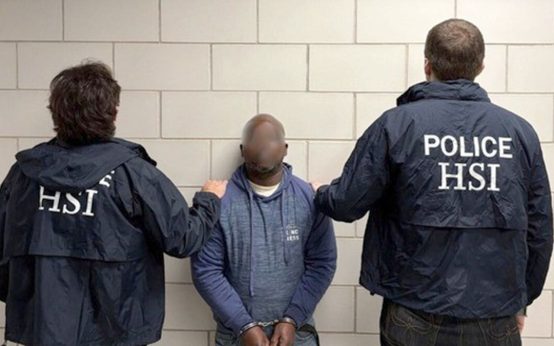 New Jersey Voter Fraud Prompts Renewed Push for SAVE Act
  Concerns Over Changes to Voter-Registration Form for Americans Abroad
  Trump’s 2024 Campaign Targets Young Men Through Cryptocurrency
  Trump’s White House Visitor Center Proposal Gains Bipartisan Support
  State Department Simplifies Passport Process with Online Applications
 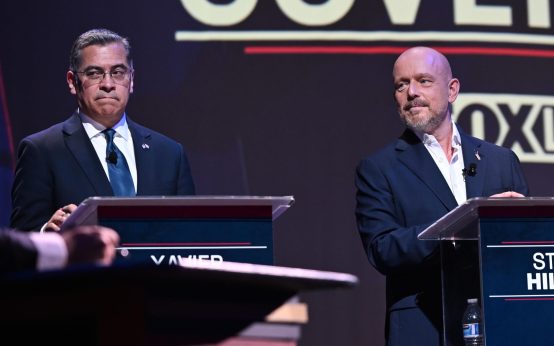 Becerra and Hilton Clash in California Gubernatorial Debate