
An Iranian woman proudly waves her national flag in Valiasr Square, Tehran, signifying the recent agreement between the United States and Iran. This peace deal comes after intensive negotiations involving U.S. and Arab representatives with Iran over the past five months.
Inside accounts from the negotiators reveal the complexity and challenges faced during these discussions. The framework of the agreement, made public on Sunday, appears to be only a preliminary stage in a broader diplomatic effort. It holds the potential to either falter or, as the Trump administration envisions, pave the way for significant advancements towards a progressive Iran.
The talks, which were intricate and often unpredictable, highlight the delicate nature of international diplomacy in dealing with Iran. The set goals extend beyond mere cessation of hostilities, aiming for cultural and economic shifts within Iran, aligning it more closely with modern international norms.
The agreement marks an essential milestone, yet the journey remains fraught with uncertainties. The success of this agreement depends on the sustained cooperation and commitment of all parties involved, including those mediating from the Arab states. The outcome could define regional dynamics in the years to come, either reinforcing stability or the opposite if the fragile balance is disrupted.
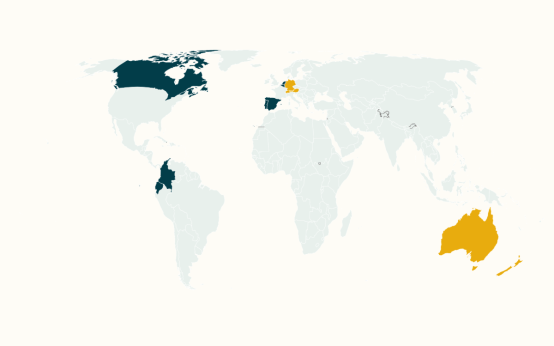 Dutch Review Board’s Euthanasia Ruling and International Debate
 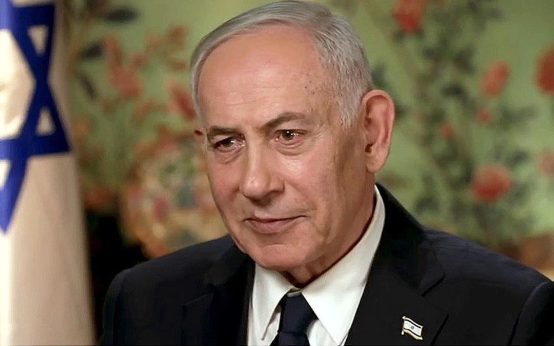 Israeli PM Commends Heroic Actions in Flight Emergency
  Rabbi and Jewish Leaders Criticize Adam Brody for ‘Genocide’ Comment
  Flydubai’s Emergency Landing Highlights Cockpit Security
 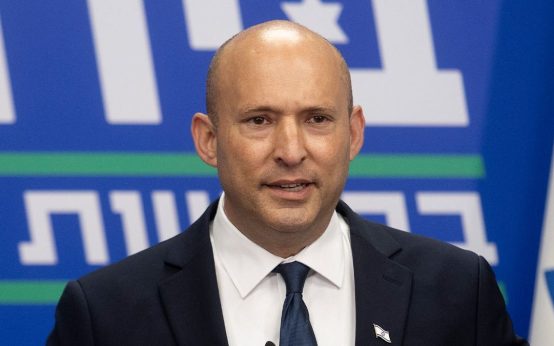 Former Israeli PM Naftali Bennett Commends Passengers and Crew for In-Flight Heroism
 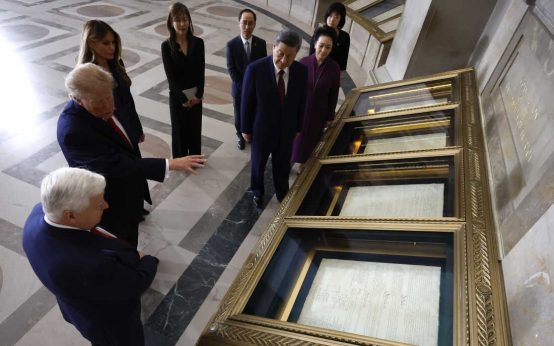 Diplomatic Complexities Unfold at U.S. National Archives Visit