Recent findings reveal significant impacts on Asian American and Pacific Islander (AAPI) communities due to the Trump administration’s immigration policies. A poll by AAPI Data and The Associated Press-NORC Center for Public Affairs Research shows that approximately half of AAPI adults have experienced or know someone affected by these policies.
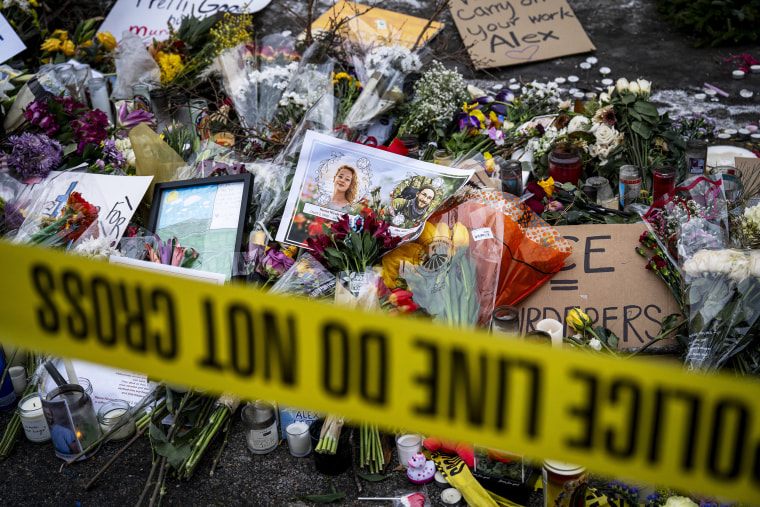
These experiences include being detained, deported, carrying proof of immigration status, and changing travel plans or routines. Tensions have mounted over the past year, leading to clashes between protesters and enforcement officers. Tragic incidents such as the shooting deaths of two U.S. citizens in Minneapolis underscore the changes in perception toward the country.
AAPI communities are expanding rapidly, with many members born outside the U.S. The survey indicates that about 6 in 10 AAPI adults feel the U.S. is no longer a favorable place for immigrants. Only around 3 in 10 believe America remains a great destination for immigrants.
America’s success story has depended critically on the role of Asian Americans, but also immigrants in general.
Even immigrants with legal status face challenges. Legal actions have halted policies, such as increased visa fees and restrictions affecting immigrants from 39 nations. Khoa Tran from San Antonio, Texas shares his experience with documentation concerns, highlighting a shift in behavior due to warnings on social media. He witnesses international students delaying travel due to visa worries.
AAPI adults prioritize their cultural identity over national identity. The survey notes that family ancestry or country of origin holds high importance over identifying as American. For U.S.-born AAPI adults, 59% recognize family heritage as crucial, while 47% value their American identity.
Abigail Jeyaraj, born in Texas, identifies as South Asian American, expressing gratitude for her family’s decision to move to the U.S. Meanwhile, Soonho Kwon, a naturalized citizen, maintains a strong connection to Korean culture.
Cultural diversity remains significant in shaping national identity. About 73% of AAPI adults value the mix of global cultures and values, contrasting with 55% of U.S. adults. Jeyaraj reflects on her experience in diverse Texas cities, noting how it fostered empathy.
The country’s 250th anniversary prompts mixed feelings among AAPI adults. Jeyaraj is torn due to the current political climate affecting previous progress toward equality. Tran views the celebration as arbitrary, considering the dynamic nature of the nation’s identity.
The poll involved 1,075 U.S. adults of Asian American, Native Hawaiian, and Pacific Islander descent, conducted April 20-28. It utilizes NORC’s Amplify AAPI Panel, ensuring representation of these communities traditionally overlooked due to small sample sizes and linguistic barriers.
 Mayor Mamdani Responds to Netanyahu’s United Nations Speech
  British Prosecutors Charge Man with Terrorism Over Politician’s Murder
  Backlash Against Trump’s White House Photos
  State Department Accuses Senate Democrats of ‘Grandstanding’ Over Venezuela Oil Deal
  EU Plans Deportation of Rejected Asylum Seekers
  British Police Arrest Man Suspected of Terror Plot