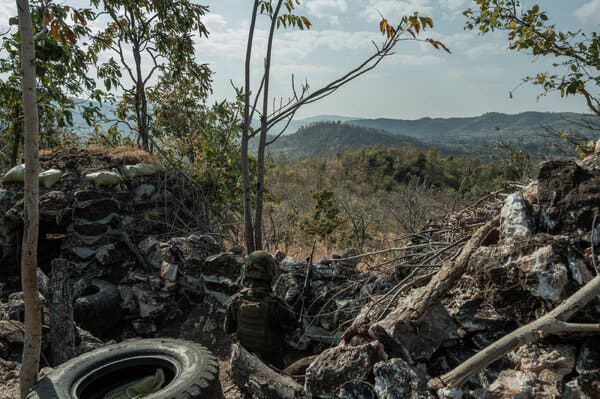
Myanmar has been embroiled in civil war for five years, with significant consequences for its population. The conflict began following a coup in 2021 led by the former army chief, U Min Aung Hlaing, which unseated the elected government. This act of aggression set off a conflict between the military and numerous rebel groups determined to overthrow the imposed government.
In April, U Min Aung Hlaing was installed as president following a managed election. Simultaneously, Myanmar experienced its highest civilian death toll since the coup, according to reports from human rights organizations. Despite the leadership shifts, the Southeast Asian country remains in turmoil, facing high civilian casualties and widespread conflict.
The war in Myanmar is the most fragmented globally, with over 1,200 armed groups engaged, as reported by the conflict monitor A.C.L.E.D. More than half of Myanmar is under the control of rebel militias, despite the military’s intensifying strikes.
The United Nations estimates nearly 4 million people have been driven from their homes, among a population of roughly 50 million. A significant portion deals with acute hunger. Military conscription threats and high unemployment are pushing many to seek work abroad.
Experts indicate Myanmar is the most landmine-contaminated nation worldwide, with devices placed in civilian areas, actions widely considered war crimes. This issue has resulted in numerous casualties, emphasizing the dire situation.
In recent months, Myanmar’s military has increased its attacks, targeting resistance areas with village burnings and airstrikes. A bombing campaign in March included over 240 strikes, resulting in at least 400 deaths.
The government forces are equipped with advanced weaponry like fighter jets and drones, obtained mainly from Russia and China. Meanwhile, rebels struggle without a steady supply of arms and diminished prospects of financial aid from Western countries.
 Israeli Prime Minister Calls for Comprehensive Security Review of Civil Flights
 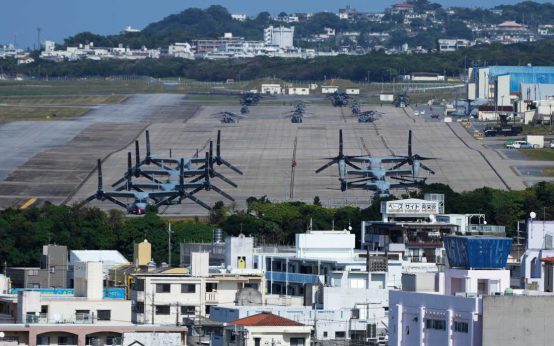 U.S. Marine Arrested in Okinawa for Alleged Murder and Robbery
 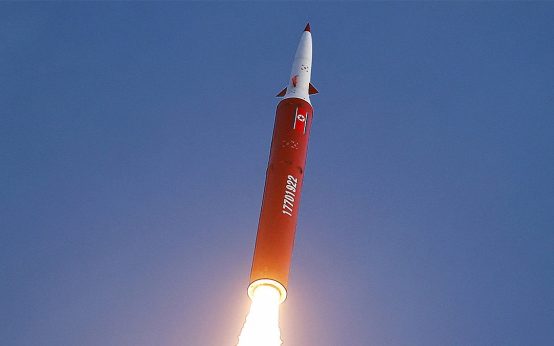 North Korea’s Missile Test and Its Implications
  Israel and Ireland Soccer Teams Display Tension in Nations League Match
  Fox News Report on FlyDubai In-Flight Incident
  Brazilians Vote in Crucial Presidential Election