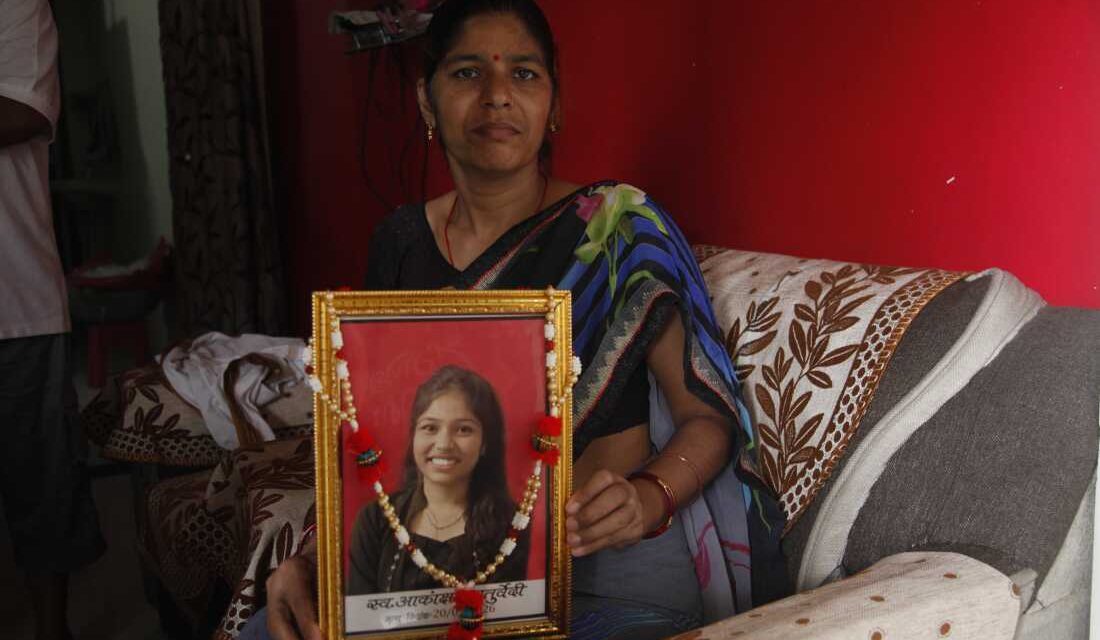
In May, 18-year-old Akanksha Chaturvedi ended her life after the cancellation of medical exam results, suspected of being leaked. Her mother, Neelum Chaturvedi, fondly recalls her daughter’s meticulous English writing and a note that Akanksha left behind with a simple salutation, ‘Mummy, Pappa.’ Neelum remains unable to find fault in her daughter, holding a picture of Akanksha adorned with plastic flowers.
Akanksha’s death drew significant media coverage, spotlighting a troubling issue—the mounting pressure on Indian students and the wave of suicides reported by Indian media. Her death was among the dozen that fueled public protests, challenging Prime Minister Narendra Modi’s government. Reports by The Indian Express indicate that after the education ministry cancelled the results of a medical college entry exam, more than two million students faced the burden of retaking the test, competing for around 30,000 positions.
Akanksha’s story resonated with many families, echoing the sentiments of parents who lost children to similar circumstances. Her note captured the overwhelming stress: ‘Mummy, papa, you sincerely believed that your daughter will study and become a doctor. But I don’t have the courage.’ Student suicides in India have seen a sharp rise from 8,068 in 2014 to 14,488 in 2024, according to The Hindu. A significant portion is related to exams and career pressures.
The educational crisis is complicated by a system that does not treat its 200 million students equally. Federal spending on education is painfully low at 2.5% of the budget, as per The Indian Express. As more parents opt for private schooling, economically disadvantaged students face limited options.
Aspiring students often turn to coaching centers to succeed in competitive exams. Maheshwer Peri, a key critic of the governmental education policies, explains that clearing exams nearly demands such private coaching. His company shows 95 out of 100 students who pass these exams attended coaching centers. Yet the industry, benefiting tens of millions, operates without regulation.
For her parents, moving to Nagpur was a decision made to provide Akanksha with better schooling. She flourished academically, nurturing a dream of becoming a doctor, a profession promising economic uplift in India. To achieve this, her family invested in a coaching program at Physics Wallah. With the burden of a $910 tuition fee and limited earnings from her father’s job as a cook, Akanksha’s family struggled. Her father, Krishna Kumar, had to sell ancestral land and borrow from relatives to cope.
Despite her promising performance in the exams, the announcement of canceled results devastated Akanksha. Days after, she isolated herself, eventually taking her own life. ‘My daughter is dead,’ her father laments. ‘She killed herself over an exam leak.’
Akanksha’s tragic end, alongside other students, sparked a protest movement. A controversial remark by Chief Justice Surya Kant referring to jobless youth as ‘cockroaches’ incited further outrage. Satirical initiatives like the Cockroach Janata Party emerged, garnering millions of followers. The movement intensified following the arrest of educator Sonum Wangchuk and escalated after police clashed with protesters in multiple cities. Prime Minister Modi vowed swift justice for the exam leak but failed to quell the unrest.
The government chose to offer compensation and form a committee to reform exams. Yet, political analyst Šumit Ganguly expressed skepticism regarding substantial change. Bureaucratic interests in the system, including a significant 18% tax revenue from coaching centers, hinder reform efforts.
While her family awaits acknowledgment and support, Akanksha’s mother is left to mourn amidst hardship, expressing frustration with the lack of government intervention: ‘Why would the government come to ask about an insect?’ Despite the claims of unsuccessful contact by local officials, her loss remains uncomforted. Akanksha’s story is emblematic of a nation’s educational pressures, while her family grapples with daily survival.
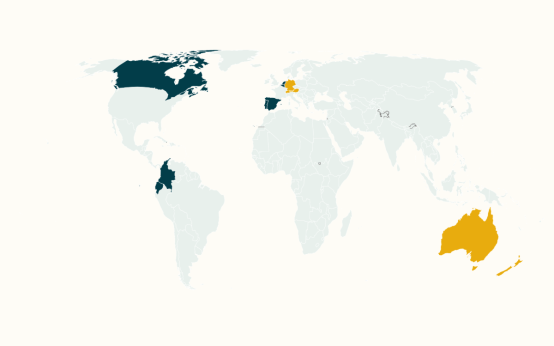 Dutch Review Board’s Euthanasia Ruling and International Debate
 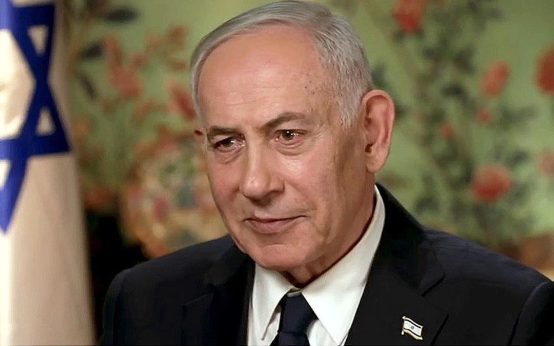 Israeli PM Commends Heroic Actions in Flight Emergency
 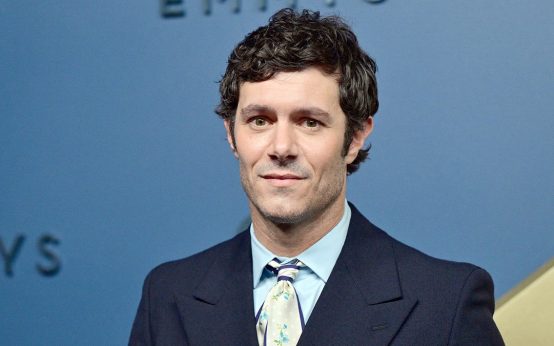 Rabbi and Jewish Leaders Criticize Adam Brody for ‘Genocide’ Comment
  Flydubai’s Emergency Landing Highlights Cockpit Security
  Former Israeli PM Naftali Bennett Commends Passengers and Crew for In-Flight Heroism
  Diplomatic Complexities Unfold at U.S. National Archives Visit