
The ongoing tensions between the United States and Iran escalated further with recent developments. On September 2, 2026, Iran declared its intention to continue military actions until it feels the U.S. regrets past actions perceived as crimes against the Iranian regime. This announcement emphasizes the deep-rooted hostilities between the two nations.
In response, U.S. military forces launched significant airstrikes against Iranian targets, marking the most intense action since July of the same year. These strikes aim to counteract Iranian aggression and reinforce the U.S. position in this conflict.
President Trump issued a stern warning to the Iranian regime, suggesting that these actions are merely leading towards what he described as the inevitable consequences for Iran. This statement highlights the unwavering stance the U.S. intends to maintain amid these hostilities.
The military actions have intensified concerns about the potential for wider conflict in the region. With airstrikes and threats continuing to escalate, the situation remains highly volatile.
“Iran will be totally wiped out if it responds to US strikes,” Trump warned, indicating no tolerance for further Iranian retaliation.
These developments further complicate international relations, posing significant challenges for diplomatic efforts aimed at de-escalating tensions. As the region watches closely, the outcomes of these military actions could have long-reaching implications for Middle Eastern stability.
 The Threat of Melting Glaciers: A Call to Action
  Police Discover Ancient Roman Artifacts Off Sardinian Coast
  Urgent Need for Action in East Africa’s Food Crisis
  Suspected Plague Death in Siberia Sparks Health Measures
 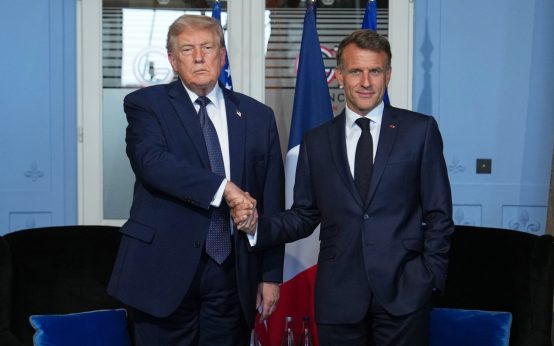 G7 Nations Agree to Release 100 Million Barrels of Oil Amid Fuel Price Surge
  Co-Pilot Attempts Hijack on Flight to Tel Aviv