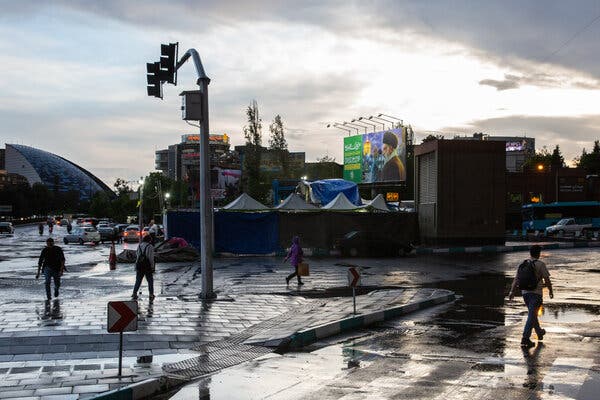
An imploding economy is causing hopelessness among both pro- and anti-government Iranians. Those hoping for regime change feel let down.
Daily life in Iran has become increasingly difficult since the conflict began. Factors include rampant inflation, civilian deaths, and damaged infrastructure. Iran’s opponents hoped the end of decades of theocratic rule would follow the attack in late February by Israel and the United States. However, hopes faded amid devastating strikes and a fragile cease-fire. Feelings of disillusionment and despair emerged from these conditions, as the death toll rose to 1,700 civilians amid vast destruction.
The cease-fire provided brief respite from bombs, but tensions escalated when Iran launched ballistic missiles against Israel in response to Israeli attacks in Lebanon. The strikes risk Israeli retaliation on Iran.
Beyond military conflicts, an economic war has driven up prices for basic goods. Critical industries suffered, and the Strait of Hormuz, a crucial trade route for Iran’s oil, faced effective closure. This plunged Iran’s economy further into crisis.
Peace talks remain inconsistent. U.S. assurances that the war is concluded have left Iranians confused and anxious. Interviews via voice apps with over 20 Iranians from Tehran, Isfahan, Ahvaz, and Mashhad revealed pervasive anxiety.
“I’m angry. I feel alone,” Kimia, a 25-year-old designer, said from Tehran. “We don’t matter to the world at all; we’re only seen as tools for war and negotiation, while we are human beings.”
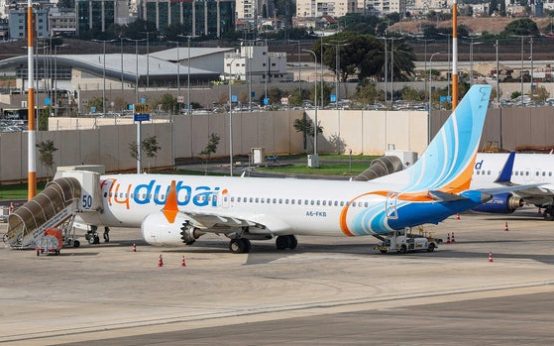 Incident on FlyDubai Flight Raises Security Concerns
 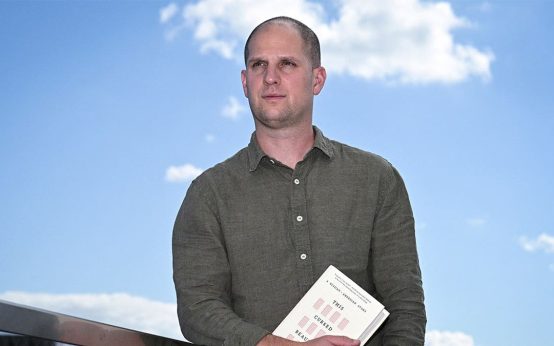 Journalist Gershkovich Discusses Wrongful Detention and Release in Russian Prisoner Swap
 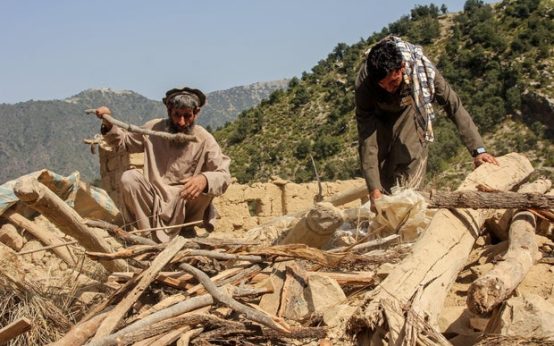 Pakistan Airstrikes in Afghanistan: Civilian Casualties Reported
 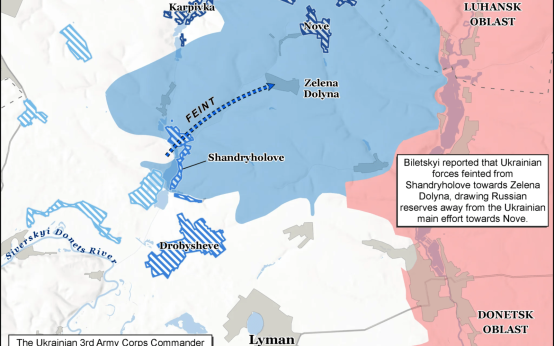 Ukraine Converts APCs to Explosive Devices in Donetsk Offensive
 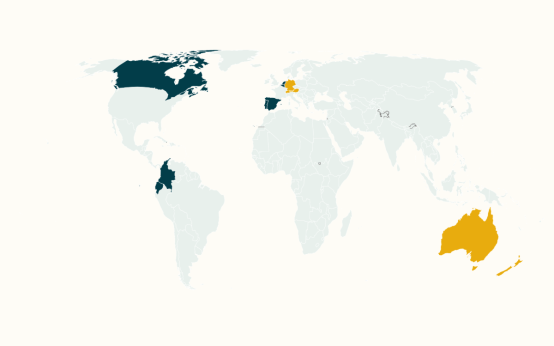 Dutch Review Board’s Euthanasia Ruling and International Debate
 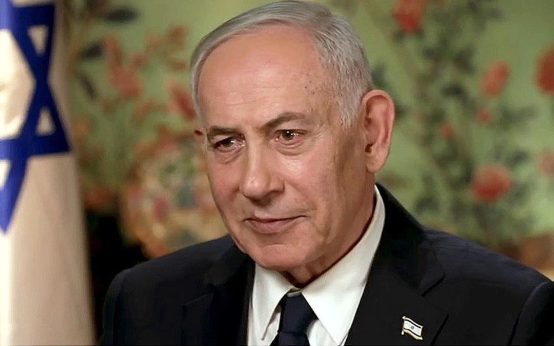 Israeli PM Commends Heroic Actions in Flight Emergency