Iran has adjusted its strategy regarding attacks on the United Kingdom. The head of MI5, Britain’s domestic spy agency, highlighted these changes during his annual threat update. He pointed to increasing challenges from hostile governments, terrorism, and potentially dangerous applications of artificial intelligence.
Iran’s New Tactics
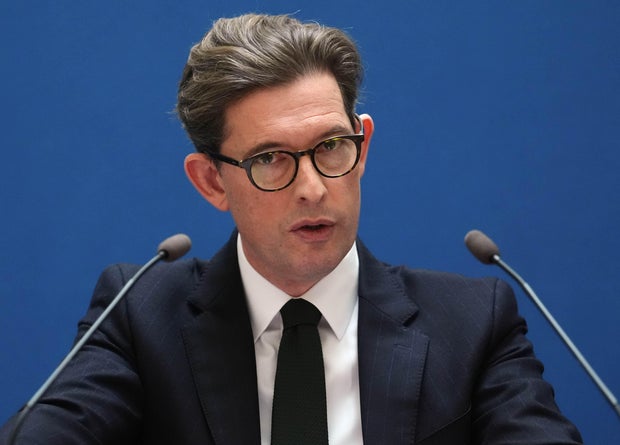
Sir Ken McCallum, MI5’s director, spoke in London about Iran’s recent tactics. He described Iran’s readiness to subcontract its violent activities in the UK. This includes using criminal groups to target opposition figures, Iranian media outlets, and Israeli entities.
“Sadly, much of this aggression has been aimed at British Jewish communities, with whom I want to express solidarity,” he stated.
McCallum reported over 50 Iran-linked arrests in the past year. These incidents include attempts to breach military bases.
Arson and Sabotage Incidents
Recent acts of arson and sabotage against Jewish sites in the UK and Europe have been labeled “sickening.” While some military sites were targeted, details remain undisclosed due to ongoing investigations. An attempted attack on the RAF Fairford base was foiled in September. Following this, the US relocated its long-range bombers from the base.
UK Prime Minister Andy Burnham suggested the incident was orchestrated by Iran’s Islamic Revolutionary Guard Corps. However, McCallum noted that some activities might involve unwitting proxies.
Foreign State Proxies
The RAF Fairford incident might involve individuals working unknowingly for Iran. Iran and Russia are both accused of enlisting people unaware of their roles in foreign sabotage, particularly in Western Europe.
Harakat Ashab al-Yamin al-Islamia, aligned with Iran, has claimed responsibility for previous attacks, including those on synagogues in the Netherlands and Belgium, and in North London. The group has threatened US and Israeli interests globally.
Russia’s Aggression
MI5’s case numbers involving state threats have quadrupled in ten years. Russia leads as the primary aggressor due to its “hybrid warfare” strategy. This includes cyberattacks and sabotage, driven by its setbacks in Ukraine.
Moscow’s strategy reflects its military challenges in Ukraine. Despite traditional threats, Russia and Iran seek alternatives to conventional conflict.
Artificial Intelligence Concerns
AI developments are reshaping the security landscape. McCallum acknowledged AI’s potential to enhance cybersecurity and its threat. Hostile actors could use AI for personalized propaganda to manipulate individuals.
One significant worry is AI assisting with existing biological weapons or aiding in creating new ones. These developments pose new risks that MI5 and others must address.
 The Global AI Race: Challenges and Strategies for the U.S.
 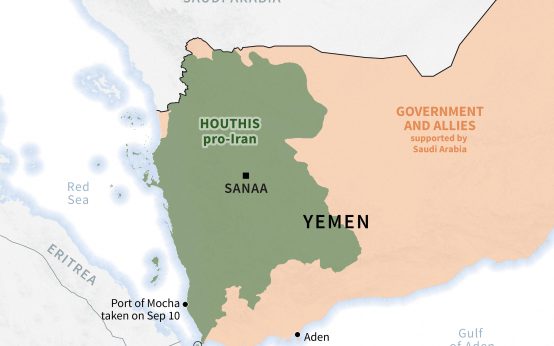 Houthi Rebels: A Decade of Transformation in the Middle East
  U.S. Withholding Funds from Chemical Weapons Organization
  Facing New Global Threats: Lessons from the Past and Present Security Challenges
  Future Uncertain for Historic Santa Monica Route 66 Landmark
  Pope Leo XIV Undergoes Lung Surgery