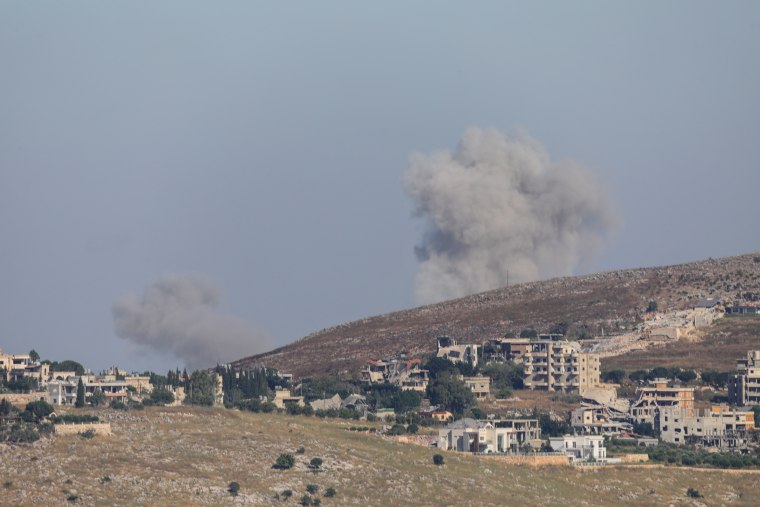
Israeli airstrikes on southern Lebanon on Saturday morning resulted in the deaths of at least 16 individuals, including two children, according to reports from Lebanese civil defense and media. This incident followed a U.S.-brokered ceasefire between Israel and Hezbollah, requested by President Donald Trump. Lebanese news agency NNA noted that several towns in southern Lebanon were targeted. An airstrike in the town of Arabsalim led to three fatalities, while a drone strike in Deir al-Zahrani claimed one life. Reports indicate that at least seven individuals remain trapped under rubble. Additionally, Lebanon’s army reported that a soldier died between Kfar Rumman and Nabatieh.
The Israel Defense Forces (IDF) issued a statement alleging Hezbollah had violated the ceasefire by launching over 50 projectiles at IDF personnel in southern Lebanon during the night. Israel responded by targeting sites they identified as belonging to Hezbollah. The IDF stated, “The IDF remains committed to the ceasefire agreement.” Conversely, Hezbollah, a group known for its ties to Iran, claimed adherence to the ceasefire and accused Israel of fabricating claims to justify its actions.
This uptick in violence threatens to derail ongoing U.S. peace efforts with Iran. The attacks occurred a day after President Donald Trump requested Israel to cease strikes on Lebanon. Israel’s ambassador to the U.S. indicated a cessation of “offensive operations.” Eyewitness accounts and imagery show smoke rising from the town of Shweikin and the Ali al-Tahir hill area in southern Lebanon following the Israeli strikes.
Meanwhile, Iran’s foreign ministry spokesperson, Esmail Baghaei, confirmed that Pakistan’s interior minister, Mohsin Naqvi, was in Tehran for discussions with Iran’s Foreign Minister Abbas Araghchi. Talks mediated by Pakistan are part of ongoing negotiation phases. Planned meetings in Switzerland between Tehran and Washington, intended to address unresolved elements of an agreement, were postponed. These talks aim to address Iran’s nuclear program among other contentious issues. A memorandum signed by the U.S. and Iran recently called for an immediate cessation of all hostilities, including those in Lebanon. Iran warned that Israeli actions could be seen as a breach of this memorandum. U.S. intelligence suggests continued Israeli military actions against Hezbollah may put a fragile peace deal at risk.
These developments intensify existing tensions between the Trump administration and Israeli Prime Minister Benjamin Netanyahu, whose political position requires support from far-right allies. Netanyahu’s government has criticized the U.S.-Iran deal, calling for more aggressive military operations in Lebanon. Netanyahu faces an important election in October and relies on far-right support to maintain his leadership.
Jonathan Panikoff, a former intelligence officer, stated, “Netanyahu is in a challenging political spot,” suggesting that strategic gains by Iran complicate the prime minister’s position. Netanyahu’s strategy to occupy southern Lebanon and past unilateral actions by Israel during deal negotiations have repeatedly delayed progress, adding to U.S. frustrations.
U.S. Vice President J.D. Vance criticized Israeli officials last Thursday, accusing them of taking U.S. support for granted. While tensions remain high, maritime activity in the Strait of Hormuz continues, though industry experts caution that mine threats may impede normal shipping operations.
IDF spokesperson Brig. Gen. Effie Defrin emphasized Friday that Israeli forces will persist in their operations in southern Lebanon, aiming to ensure civilian safety.
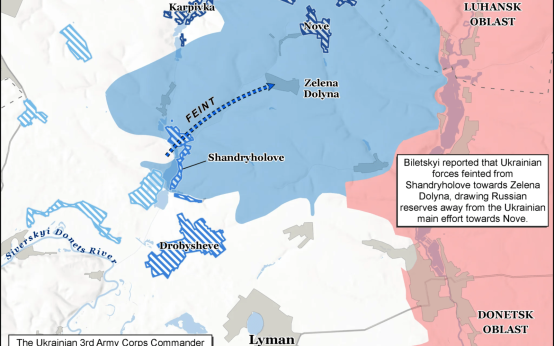 Ukraine Converts APCs to Explosive Devices in Donetsk Offensive
 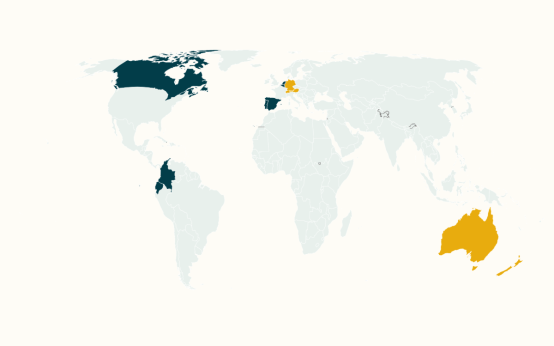 Dutch Review Board’s Euthanasia Ruling and International Debate
 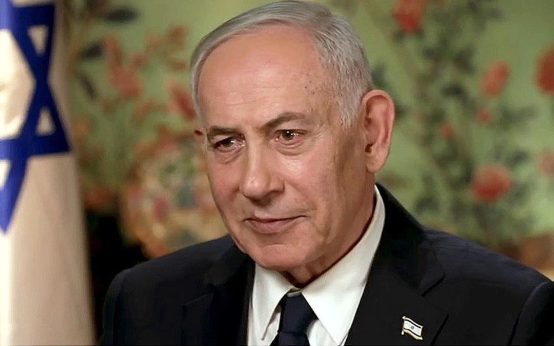 Israeli PM Commends Heroic Actions in Flight Emergency
  Rabbi and Jewish Leaders Criticize Adam Brody for ‘Genocide’ Comment
  Flydubai’s Emergency Landing Highlights Cockpit Security
 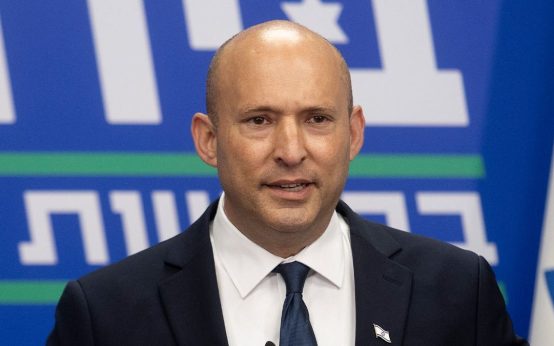 Former Israeli PM Naftali Bennett Commends Passengers and Crew for In-Flight Heroism