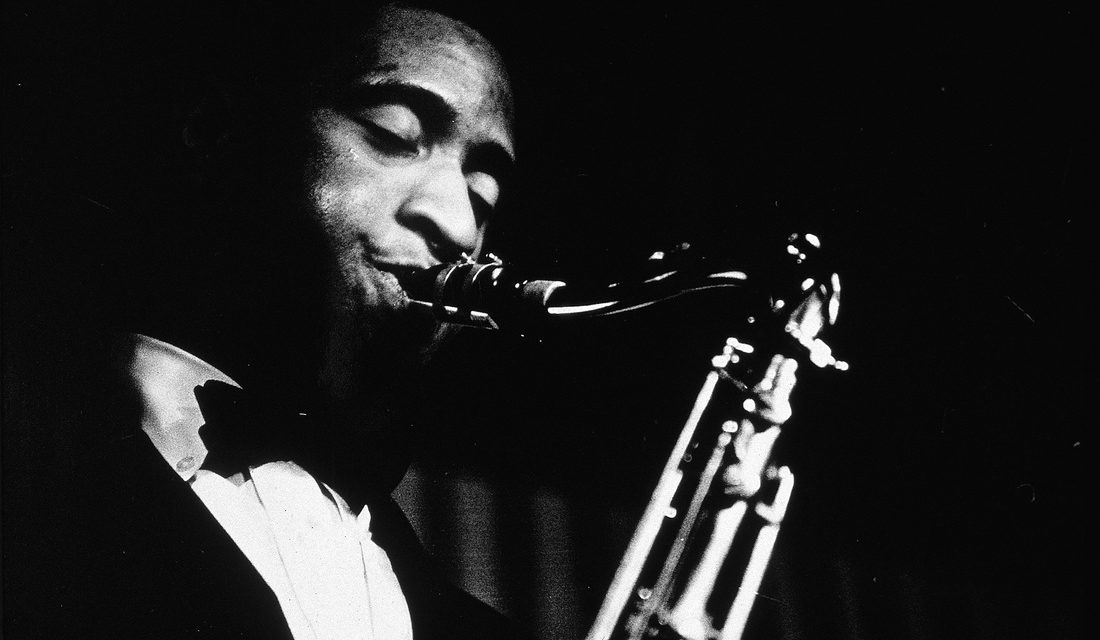
The renowned jazz saxophonist, Theodore “Sonny” Rollins, passed away at the age of 95 in his home in Woodstock, New York. Known for his powerful sound and remarkable improvisational skills, Rollins was a saxophonist whose music left a lasting impact on the jazz world.
A Celebrated Musician
Rollins received numerous accolades throughout his career, including being named a National Endowment for the Arts Jazz Master, a Kennedy Center honoree, and receiving the National Medal of the Arts. His contributions to jazz music defined him as a modern jazz musician whose life was deeply intertwined with his art.
“All these prizes are nice, I appreciate them,” Rollins told NPR. “I don’t go crazy about them – the real deal is doing it the best you can do it and that’s it. That’s its own reward.”
Musical Journey
Born on September 7, 1930, in New York City, Rollins grew up in Harlem’s Sugar Hill neighborhood. Influenced by the jazz greats around him, he embraced the emerging jazz styles. His parents, originally from the Virgin Islands, were initially apprehensive about his career path, but Rollins was determined.
Rollins was known for his charismatic presence and unique musical style. He spent time honing his skills at night on the Williamsburg Bridge during the late 1950s. His return to the jazz scene in 1962 with the album “The Bridge” marked a significant cultural event, reinforcing his status in the jazz community.
Innovative Sound
Rollins emphasized spontaneous creativity in his performances. He approached each composition with thorough preparation but allowed room for improvisation during live performances, saying, “I think when I’m playing completely spontaneous, just something comes out from somewhere, that’s my best work.”
His versatility extended beyond jazz. Rollins was known for playing calypsos and collaborating with various artists, including performing a theme for the movie “Alfie,” playing alongside the Rolling Stones, and recording Stevie Wonder’s “Isn’t She Lovely.” His singular sound was instantly recognizable, as noted by pianist Joanne Brackeen.
“He’s got a sound that is him,” says Brackeen. “You hear just a couple of seconds and you know who that is. And not only who that is, but how he is? You can hear the whole energy of his being, in every note.”
Legacy and Philosophy
Rollins’ music and artistry were dictated by his own preferences rather than commercial pressures. He understood the balance between artistic expression and business, as evident when he founded his label, Doxy Records, although it was distributed by Sony Masterworks. Reflecting on the nature of jazz, Rollins remarked, “The corporate culture is anathema to jazz. We’re about creation, freedom, thinking things out in the moment, like life is. Life changes every minute. A different sunset every night, that’s what jazz is about.”
Sonny Rollins embodied the spirit of jazz, leaving a legacy that continues to inspire musicians and fans alike.
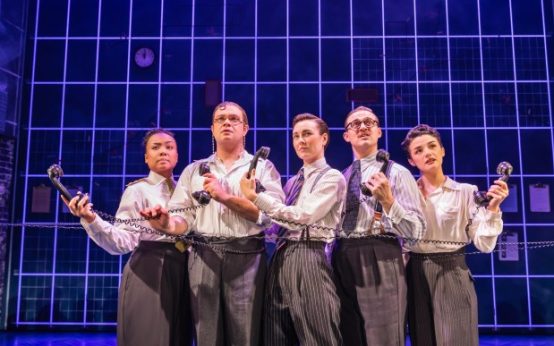 Operation Mincemeat: A Theatrical Review
 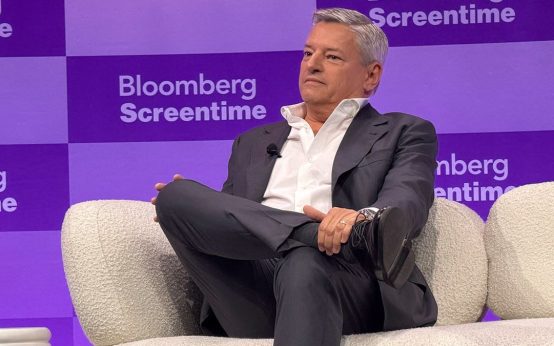 Hollywood Executive Praises Trump’s Efforts to Revitalize the Entertainment Industry
  Zoe Kazan’s Journey with ‘East of Eden’
 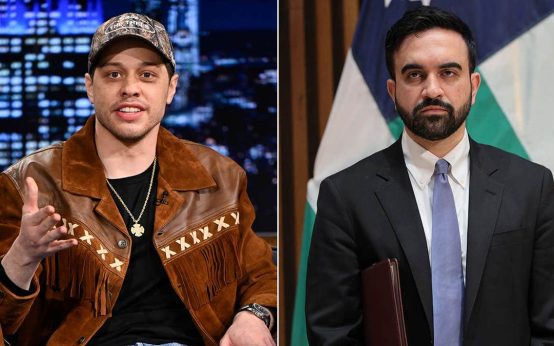 Pete Davidson Criticizes NYC Mayor Zohran Mamdani Over BQE Construction
  Chris Hansen Criticizes Hollywood’s Portrayal in ‘Primetime’
  Monet Mazur’s Home Targeted in Hollywood Hills Burglary Attempt