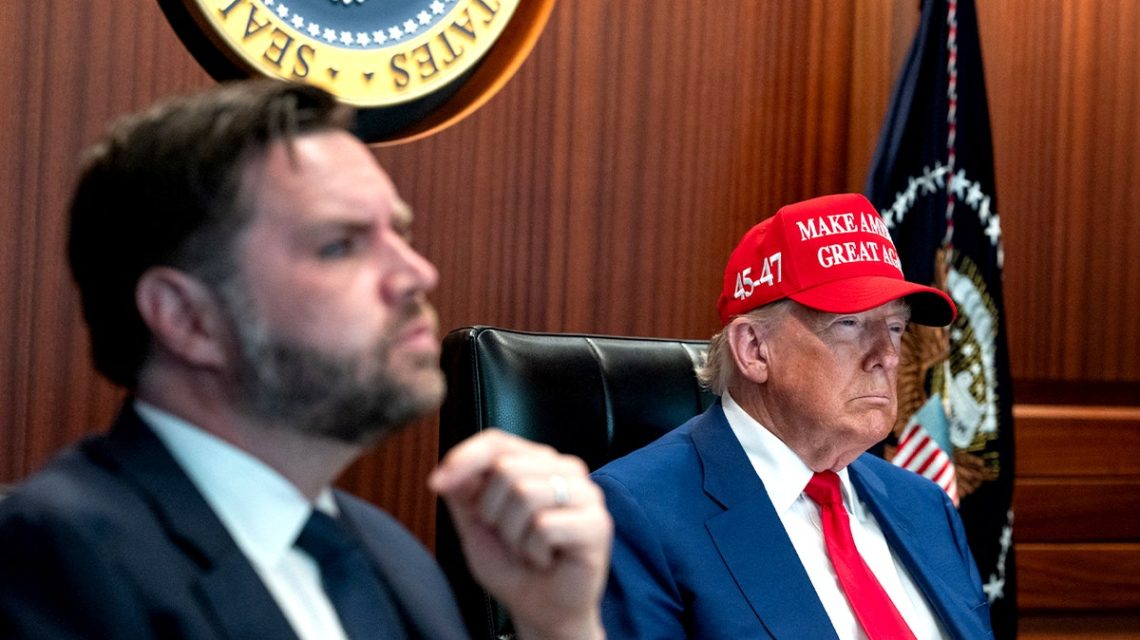
During the G7 Summit, President Donald Trump introduced details of an Iran peace agreement. He warned of significant consequences if Iran did not adhere to its nuclear commitments. Vice President JD Vance clarified that Iran would not receive American funds. He pointed out the weakened state of Iran’s military and industry, stressing the agreement’s success in limiting Iran’s nuclear capabilities.
Critics have compared the new agreement to President Barack Obama’s 2015 nuclear deal, the Joint Comprehensive Plan of Action (JCPOA). However, Vance countered these comparisons. He emphasized that the approach has shifted, making Iran earn economic benefits by complying with nuclear restrictions before receiving them. Vance argued this reversal represents a strategic shift from the previous deal.
Vance stated, “Iran can gain economic cooperation throughout the Middle East, but only if it complies.” He stressed that the United States stands to benefit regardless of Iran’s actions, either by dismantling Iran’s nuclear program or through Iran’s transformation.
Jesse Watters agreed with Vance’s assessment, asserting it was the opposite of the Obama-era deal: “If Iran funds proxies, they lose benefits. The destruction of 85% of their missiles and 90% of their industrial base disarms them.” Watters highlighted the drastic reduction in Iran’s capacity to pose a threat without an Air Force or Navy.
While past criticisms suggested the JCPOA offered insufficient concessions for economic relief, the new deal demands Iran take concrete steps before sanctions relief. Vance noted the depletion of Iran’s nuclear stockpiles following recent strikes.
Despite assurances, some remain skeptical. Senator Mark Kelly expressed doubt, questioning if Trump would support a similar proposal from previous administrations.
Iranian security expert Behnam Ben Taleblu expressed concern, pointing out the complex nature of any deal with Iran. Taleblu emphasized transparency, advocating for the full release of the agreement’s text for a comprehensive comparison with past deals.
Officials have declared only oil waivers as immediate benefits for Iran, with further economic development contingent on compliance. There is skepticism about Iran’s intentions, and the negotiations hold a strict deadline.
Understanding the full impact of this agreement remains crucial, with emphasis on effective communication about longstanding U.S.-Iran tensions.
 Upcoming Congressional Elections: Key Districts to Watch
  Bolivia Faces Security Test Amid Unrest
  President Trump’s Pre-Midterm Interview on Key Issues
  Incident on FlyDubai Flight Raises Security Concerns
  Journalist Gershkovich Discusses Wrongful Detention and Release in Russian Prisoner Swap
 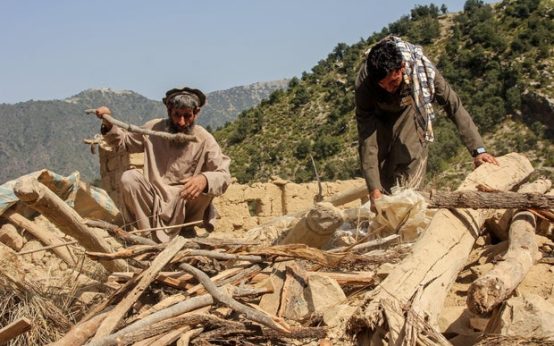 Pakistan Airstrikes in Afghanistan: Civilian Casualties Reported