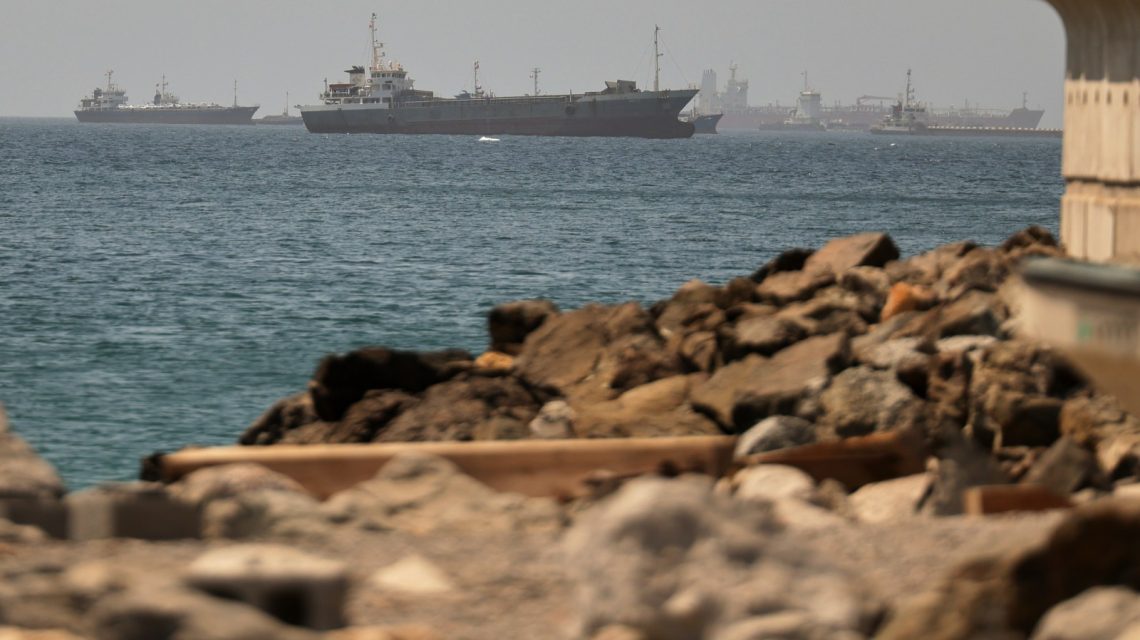
Temporary Ceasefire Reopens Vital Oil Passage
A 60-day ceasefire between the United States and Iran has temporarily reopened the Strait of Hormuz. The accord aims to calm global energy markets after prolonged strife, yet lingering disputes cast doubt on the future of this vital oil route.
The interim agreement, signed last week, seeks to stabilize energy markets by halting active hostilities. The deal requires the U.S. to lift its naval blockade on Iranian ports and opens a window for negotiators to establish a broader agreement.
Despite the agreement, diverging statements from Washington and Tehran threaten its stability, raising concerns the strait could again catalyze economic and military unrest.
Conflicting Maritime Traffic Reports
Reports about the strait’s operational status emerged over the weekend. Open-source intelligence highlighted disruptions, noting the tanker Starbound Explorer turned back in Iranian waters, while the container ship MSC Qingdao briefly reversed course before reaching Omani waters.
U.S. officials assured that shipping lanes remain open and heavily trafficked. Energy Secretary Chris Wright stated 67 ships passed through the strait on Saturday, preceded by 55 ships the previous day. These figures align with pre-conflict averages.
Vice President JD Vance reiterated this position, underscoring that the straits are open due to ongoing international enforcement efforts.
Unresolved Aspects of the Ceasefire
The memorandum allows toll-free passage of commercial vessels through the strait for 60 days, with Iran, Oman, and regional states expected to negotiate future administration of the waterway.
Several critical elements remain unresolved, including:
- The forces responsible for security enforcement
- The legality of imposing transit fees after the ceasefire
- Management of future maritime disputes
Unclear stipulations allow both sides to present differing interpretations of authority over the strait.
Trump’s Intervention Warnings and Fee Proposals
President Donald Trump has commended the deal while also intensifying rhetoric about U.S. oversight in the region. He announced there would be “no tolls” during the ceasefire but suggested a potential 20 percent fee on foreign vessels post-agreement to cover past and future military expenditures. Trump warned of severe U.S. retaliation if Iran attempts further closures.
Speaking with Fox News, Trump emphasized, “We may take over the Strait, if we have to. If they don’t make a deal, we’ll collect tolls.”
Iran’s Assertion of Sovereignty
Iran maintains the Strait of Hormuz under its sovereign control. An Iranian military command message on Tasnim’s Telegram account recently threatened to block vessel traffic. Despite continuing activity, Iranian authorities express firm control over the strait and convey readiness to restrict access if ceasefire terms are breached.
Iran’s officials caution against violations by the U.S. or allies, indicating potential strait restrictions in response to broader regional conflicts, including those involving Iran-backed groups.
Effects on Global Energy Markets
The turmoil impacts global energy markets, as the Strait of Hormuz represents the world’s most crucial oil chokepoint. It manages roughly one-fifth of global petroleum liquids and significant liquefied natural gas traffic.
Previous conflicts led to reduced shipping and rising crude prices, burdening supply chains and raising insurance premiums. Financial markets also reacted, with energy stocks spiking on supply fears and broader equities dipping on economic slowdown worries.
Analysts caution that while the ceasefire offers temporary relief, the underlying geopolitical tensions persist, keeping the strait as a flashpoint for global economic instability.
 Dutch Review Board’s Euthanasia Ruling and International Debate
  Israeli PM Commends Heroic Actions in Flight Emergency
  Rabbi and Jewish Leaders Criticize Adam Brody for ‘Genocide’ Comment
  Flydubai’s Emergency Landing Highlights Cockpit Security
  Former Israeli PM Naftali Bennett Commends Passengers and Crew for In-Flight Heroism
 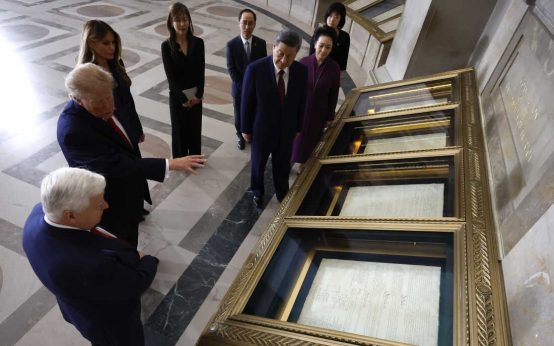 Diplomatic Complexities Unfold at U.S. National Archives Visit