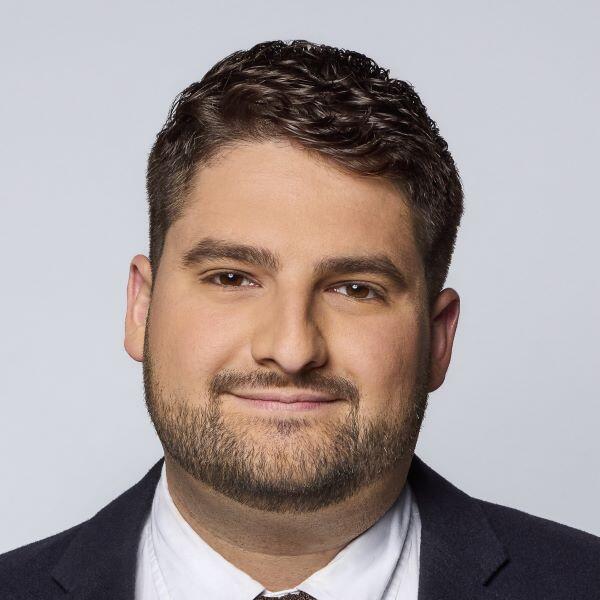
A federal judge in Tennessee recently dismissed an indictment against Kilmar Abrego Garcia, a Salvadoran man mistakenly deported by the Trump administration. U.S. District Judge Waverly Crenshaw ruled that the prosecution, led by the Justice Department, was vindictive. Garcia’s effort to dismiss the charges was successful because the prosecution failed to rebut the presumption of vindictiveness.
Garcia, who became central in the immigration policy debate during President Trump’s administration, expressed gratitude for the ruling. He stated that justice has made strides forward with this decision.
Garcia’s legal representative, Sean Hecker, described his client as a victim of politicized actions by the current administration and emphasized the importance of an independent judiciary in maintaining democracy.
The charges against Garcia originated from a November 2022 incident in Tennessee, where a traffic stop led to his arrest for human smuggling. Garcia pleaded not guilty to the charges. Despite an immigration judge granting Garcia legal status prohibiting his deportation, he was nevertheless removed to El Salvador. This was acknowledged as a mistake by a Trump administration official.
Garcia initiated a civil lawsuit challenging his deportation, leading to a federal judge in Maryland ordering his return to the U.S. The Department of Homeland Security initially resisted implementing the judge’s order but eventually complied.
Judge Crenshaw’s decision noted evidence suggesting that the prosecution was linked to Garcia’s successful legal challenges to his deportation. He observed that executive actions targeting Garcia’s prosecution were triggered after Garcia vindicated his rights. In the opinion, Crenshaw highlighted the lack of evidence rebutting claims of vindictiveness, pointing out the timing of the investigation’s reopening following Garcia’s civil lawsuit.
A Justice Department spokesperson criticized the decision, labeling it politically motivated and announcing plans to appeal.
During a hearing, Garcia’s defense questioned government witnesses about the timing and motivations behind the indictment. Prosecutor Robert McGuire maintained he acted based on evidence of a crime, asserting the decision was solely his. However, emails from Justice Department official Aakash Singh indicated significant interest in charging Garcia post-lawsuit, classifying the case as a priority.
Judge Crenshaw noted concerns over “retaliatory taint” influencing the renewed investigation. While insufficient evidence of direct vindictiveness was found, Crenshaw concluded that the actions taken appeared retaliatory in nature.
Singh’s oversight and influence on the indictment were significant, connecting the main Justice Department to the case. This undermined McGuire’s stance of being the sole decision-maker.
Ultimately, the evidence demonstrated that influential figures within the Justice Department, including Singh and former Attorney General Pam Bondi, played roles in reopening Garcia’s investigation.
 Immigration Judge Allows Deportation of Wisconsin Mosque Leader Salah Sarsour
  Lindsay Clancy Faces Potential Retrial After Mistrial
  Tennessee Prepares for Rare Execution of Woman on Death Row
  Mistrial in Lindsay Clancy Case: Juror Speaks Out
  Utah Judge Orders Release of Man on Death Row After DNA Evidence Emerges
  Kurt Olsen Resigns from the Justice Department Amid Investigation