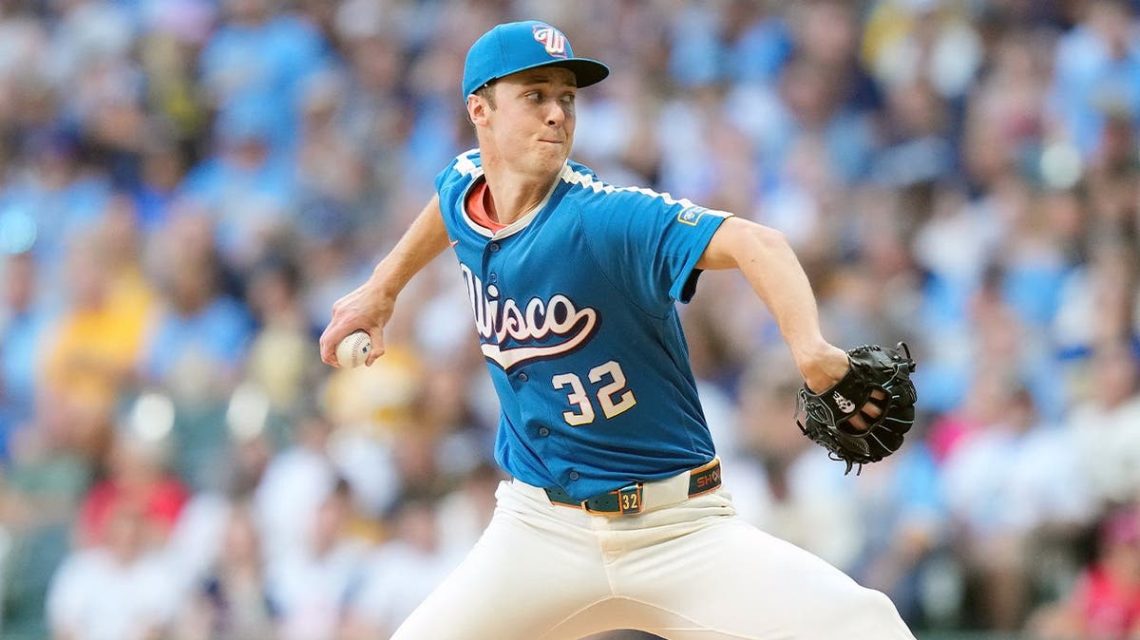
Hitting in Major League Baseball (MLB) in 2026 presents unprecedented challenges. Star pitchers like Jacob Misiorowski showcase this with his incredible 104 mph fastballs and 93 mph sliders. A decade ago, the league’s average fastball velocity was 93 mph. Misiorowski has dominated in his first 15 starts of the year, conceding only 15 earned runs in total.
Relievers are also achieving exceptional results. San Diego Padres’ closer Mason Miller stands out by giving up only three earned runs across 32 innings. He has faced 123 batters this season, managing to strike out 63 of them. Whereas the league’s average hard hit percentage stands around 40%, Miller’s is dramatically lower at 7%.
Misiorowski and Miller exemplify pitching’s current dominance over hitting. Tactics in pitch development have evolved into a science, fortified by vast arrays of data that assist players in perfecting their pitch mix. Misiorowski’s 104.5 mph throw set a record, marking him as the fastest starter in the MLB.
Recently, there’s been a noticeable rise in offensive output across baseball. Analysts speculate the primary reason: changes to the baseball itself. Eno Sarris from The Athletic noted a decline in baseball drag, the lowest since 2019. Reduced drag enables balls to travel farther, as seen in the 2019 season’s offensive stats, where players frequently hit over 30 home runs. By contrast, the 2025 season featured higher drag, resulting in a league slugging percentage dip from .425 in 2019 to .404.
Sean Zerillo pinpointed a rise in offensive metrics in 2026, showing a barrel distance increase of 10.2 feet between April and the present. Zerillo’s findings dismissed weather as a major factor, noting this jump as the largest of the Statcast era, surpassing the usual 4.6 feet increase attributed to warmer weather. The data proved consistent even under controlled environments like domed stadiums.
Recent rule changes reflect MLB’s ambition to boost scoring. Initiatives such as banning defensive shifts in 2023 initially increased average runs per game from 4.28 in 2022 to 4.62. Yet, by 2025, the figure reduced to 4.45 as pitching techniques advanced.
The introduction of a lower-drag baseball highlights ongoing efforts to invigorate offense. While purists appreciate pitching duels, MLB sees value in promoting homerun hitters like Shohei Ohtani and Aaron Judge. Even a minimal six-foot increase in distance can convert potential outs into home runs.
The path MLB takes with these developments remains intriguing, particularly as postseason stakes escalate in October, making home runs even more consequential.
 The Quest for the Knuckleball Dream
 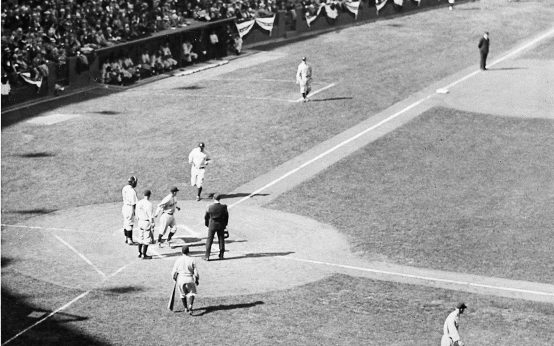 Historical Events in Chicago on October 1st
  Stephen A. Smith Discusses Houston Texans’ Critical Matchup Against Dallas Cowboys
 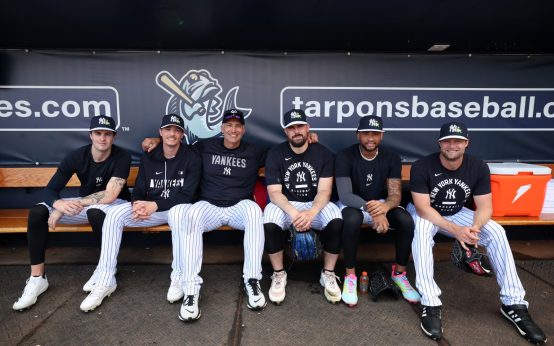 CC Sabathia Anticipates Yankees’ Game 1 Pitcher for ALDS After Beating Red Sox
 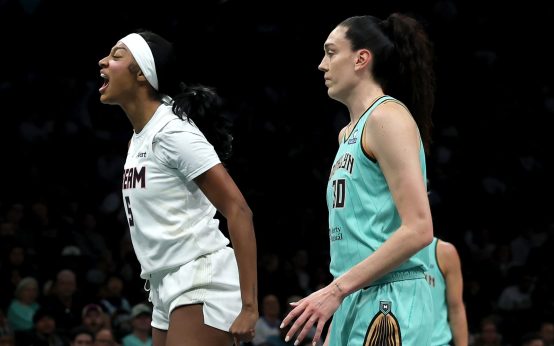 Atlanta Dream Progress to WNBA Semifinals
  Los Angeles Lakers Focus on Defense in Luka Doncic Era