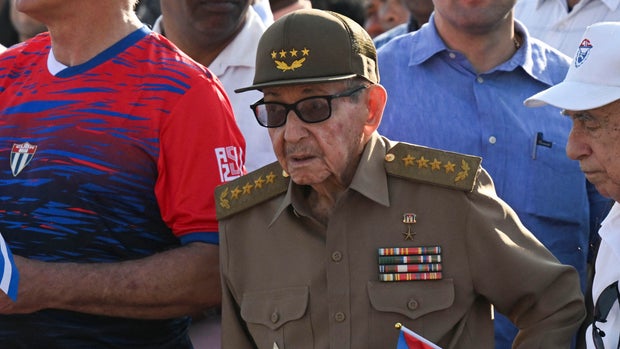
U.S. Secretary of State Marco Rubio addressed the Cuban people directly via a Spanish-language video, criticizing the country’s elite for corruption and proposing a $100 million aid package. The message followed the indictment of former President Raúl Castro and five others by a U.S. grand jury in Florida.
Rubio, whose parents emigrated from Cuba before Fidel Castro’s rise to power, targeted the Grupo de Administración Empresarial S.A. (GAESA), a Cuban business entity with substantial political ties. He claimed that GAESA possesses $18 billion in assets and controls 70% of Cuba’s economy.
“They profit from hotels, construction, banks, stores, and even from the money your relatives send you from the U.S.,” Rubio stated. “From those remittances they retain a percentage, but from GAESA’s profits nothing reaches you.”
Cuba recently experienced a major blackout affecting most of the country, attributed to the U.S. blocking oil imports since January. Although Cuba regularly received oil from Venezuela under Nicolás Maduro, his removal in a U.S. military operation in January and subsequent drug trafficking indictment halted those supplies.
Rubio countered claims that the U.S. oil blockade is responsible for power outages, asserting the real issue lies with the mismanagement and corruption of Cuba’s leaders. “The real reason you don’t have electricity, fuel, or food is because those who control your country have plundered billions of dollars,” he explained.
The U.S. offer of $100 million in relief, aimed at providing food and medicine, must be directed through the Catholic Church or charitable groups to prevent theft by GAESA, according to Rubio. He conveyed President Trump’s willingness for a new relationship between the U.S. and Cuba that bypasses GAESA.
Rubio additionally spoke about ending the 67-year reign of communism in Cuba, promising a future where ordinary Cubans can own businesses. “A new Cuba where you, the ordinary Cuban, and not just GAESA, can own a gas station or a clothing store, or a restaurant,” he stated.
The comments emerged as Raúl Castro, 94, faced U.S. charges related to the 1996 shooting down of planes operated by Brothers to the Rescue, a humanitarian group. Though Castro stepped down from leadership in 2021, he remains influential. Miguel Díaz-Canel currently serves as Cuba’s president and Communist Party leader.
 The Threat of Melting Glaciers: A Call to Action
 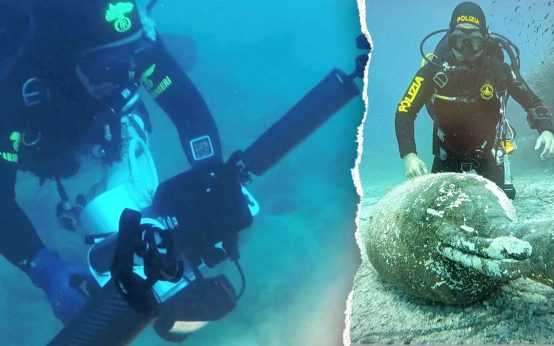 Police Discover Ancient Roman Artifacts Off Sardinian Coast
 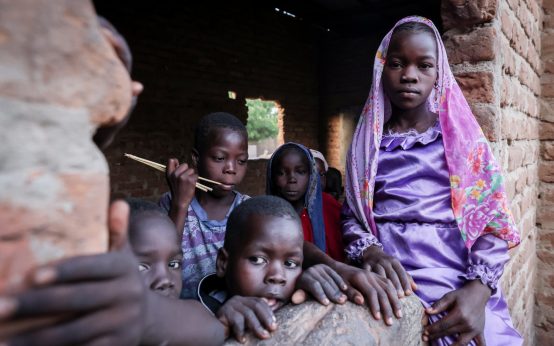 Urgent Need for Action in East Africa’s Food Crisis
 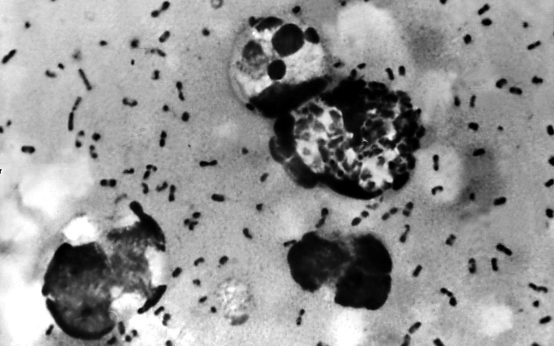 Suspected Plague Death in Siberia Sparks Health Measures
 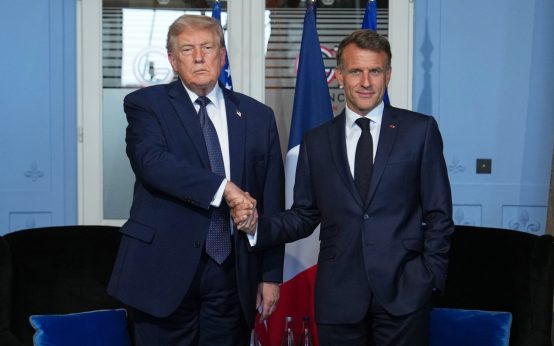 G7 Nations Agree to Release 100 Million Barrels of Oil Amid Fuel Price Surge
  Co-Pilot Attempts Hijack on Flight to Tel Aviv