The Spanish hotel chain Meliá is scaling back its operations in Cuba. It will cease operations at 15 of its 34 hotels on the island. This decision follows new sanctions imposed by the United States. These sanctions include an oil embargo and measures targeting companies with Cuban military connections.
Announced on May 26, Meliá’s decision is rooted in corporate responsibility and external challenges affecting the legal and secure functioning of its establishments. The U.S. sanctions specifically target Grupo de Administración Empresarial S.A. (GAESA), a conglomerate tied to the Cuban Revolutionary Armed Forces. GAESA is linked with Meliá through Gaviota, its hotel management subsidiary.
The executive order from the U.S. integrates measures that freeze assets and block financial operations for foreign companies associated with Cuba’s military sector. This restricts travel and financial activities for stakeholders. The military-affiliated conglomerate GAESA has vast business interests in Cuba, ranging from car rentals to retail.
Meliá’s partial withdrawal is significant as the chain was a primary player in Cuba’s tourism sector, with some 14,000 rooms. Other major players like Royalton and Iberostar have also reduced operations. The crisis in Cuba’s tourism sector is further compounded by energy shortages, overall decline since COVID-19, reduced international tourism, and U.S. sanctions.
Cuba’s tourism reached a pinnacle with 4.3 million visitors in 2019, yet the first quarter of this year saw arrivals fall by 48% compared to 2025, with fewer than 300,000 tourists.
Energy shortages have led to closed and inactive hotels, affecting destinations like Varadero and Cayo Santa María. Many blame the U.S. energy blockade for causing blackouts, water shortages, and disruptions in daily life in Cuba.
Tourism workers in Cuba, like Erich López, express concerns about their livelihoods amidst these challenges. Carlos Luis Carbonel, a parking attendant in Havana, shares similar worries as various roles in the sector face uncertainty.
Cuba’s economic strife is reflected in the removal of the Royalton Paseo del Prado hotel signage and the inactivity of hotels like the Iberostar Selection. Meanwhile, airlines such as World2Fly, Air France, and Iberia have canceled flights to Cuba, underlining the downturn in economic prospects.
Additionally, the Central Bank of Cuba has announced the suspension of Visa and MasterCard operations on the island following the termination of foreign relations with FINCIMEX S.A., linked to GAESA. Canadian mining company Sherritt International also plans to exit its Cuban venture, reflecting widespread caution among foreign enterprises.
Amid these developments, the U.S. administration has further exerted pressure by threatening tariffs on countries supplying oil to Cuba, complicating relations and emphasizing long-standing tensions. Talks between the U.S. and Cuba did little to cool hostilities, with recent legal actions against former Cuban leader Raúl Castro stirring further discord.
 The Threat of Melting Glaciers: A Call to Action
 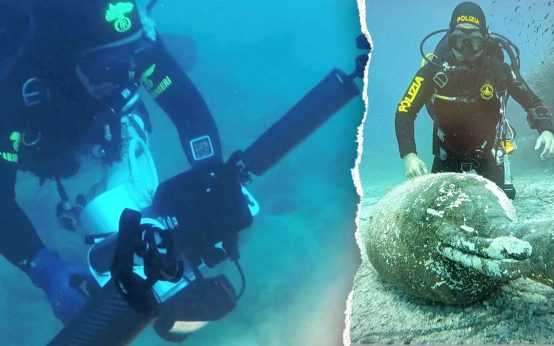 Police Discover Ancient Roman Artifacts Off Sardinian Coast
  Urgent Need for Action in East Africa’s Food Crisis
  Suspected Plague Death in Siberia Sparks Health Measures
  G7 Nations Agree to Release 100 Million Barrels of Oil Amid Fuel Price Surge
  Co-Pilot Attempts Hijack on Flight to Tel Aviv