Introduction to El Niño
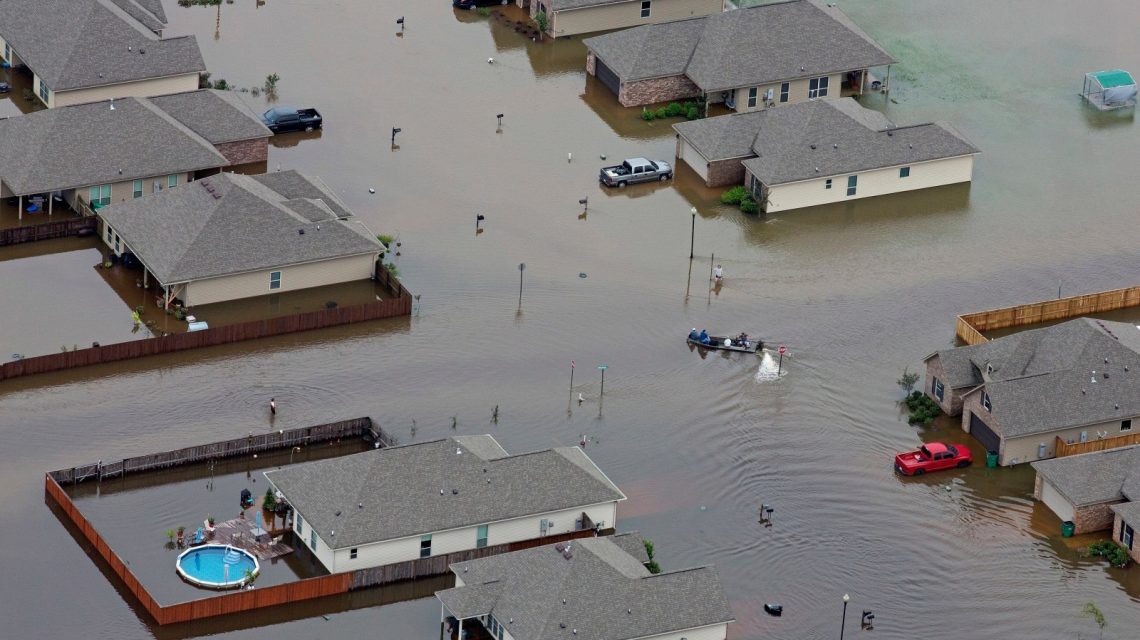
Meteorologists are raising alarms over a ‘supersized’ El Niño set to bring significant rainfall and flooding across the U.S. Coastal regions face heightened risks. This climate pattern, due to exceptionally warm Pacific Ocean temperatures, is predicted to be “very strong” this fall and winter, according to the World Meteorological Organization. United Nations Secretary-General António Guterres emphasized the severity, stating the planet faces unprecedented conditions.
Expected Impacts of El Niño
The anticipated impact of this El Niño is monumental. It is projected to be the largest in 1,000 years, potentially making 2027 the hottest year recorded, as noted by climate scientist Gavin Schmidt. Despite uncertainties in outcomes, as highlighted by Scott Handel from NOAA’s Climate Prediction Center, previous occurrences provide insights into possible scenarios.
California and much of the West Coast could experience heavy rainfall and flooding. This pattern mirrors past events, including record rainfalls in San Diego in January, and in Los Angeles and San Francisco during the 1997-98 rainy season. Conversely, the Upper Midwest may see above-average temperatures, while the Northern Rockies might have reduced snowpacks.
Homeowner Preparations and Risks
Residents of affected areas should brace for heavy rain and flooding, particularly on the West Coast and Southeast. Mudslides, high winds, and elevated risks of severe weather could result from increased storminess, as explained by Handel. Homeowners should expect higher incidences of insurance claims related to wind and roof damage, flooding, and cold snaps.
Mark Friedlander from the Insurance Information Institute advises that wind damage, burst pipes, and freeze losses may surge, especially in South regions unfamiliar with cold conditions.
Insurance and Preparedness Recommendations
Friedlander recommends securing flood insurance now, emphasizing the necessity of a separate policy from the NFIP or private insurers due to widespread misconceptions about flood risks. FEMA data shows a significant portion of flood insurance claims originate from areas not identified as high-risk.
Homeowners should check flood zones through FEMA’s Map Service Center. Denali Pinto from UC San Diego highlights the potential risks, noting the importance of earth movement and landslide coverage.
Pinto also suggests readiness measures like sandbags, cleaned gutters, and emergency supplies, plus purchasing a NOAA weather radio for updates.
Preventative Measures and Expert Insights
Ed Kearns from First Street stresses the cost-effectiveness of measures like flood barriers and hurricane tie-downs. Though expensive, options like elevating home foundations should be evaluated against potential losses.
Friedlander emphasizes documenting property with photos for claims efficiency while maintaining emergency supplies and reviewing evacuation pathways.
Regional Weather Patterns and Forecasts
Crystal Egger from Monarch Weather Consulting warns homeowners against assuming uniformly wet conditions due to El Niño. Historically varied outcomes suggest caution. Emily J. Becker from the University of Miami identifies the southern tier, including California and the Gulf Coast, as prone to wetter conditions.
Becker notes possible drier winters for the Ohio River valley and Pacific Northwest, with warmer winters through Canada and the northern U.S.
Egger anticipates strong impacts particularly in California, the Southwest, and the southern Plains due to shifts in the Pacific jet stream causing active storm tracks.
 Swiss Glaciers Show Effects of Ice Loss Amid Global Warming
  Climate-Resistant Rock Glaciers: Hidden Water Resources
  Senators Reach Bipartisan Agreement on Permitting Reform
  Experts Warn of Critical Period for the Colorado River
  Future Cities: Ambitious Projects Aiming for Innovation and Sustainability
  Supreme Court Case Suncor vs. Boulder: Implications for Accountability in Climate Change