
In light of a significant shift in U.S. military commitments in Europe, NATO’s top military officer is exploring new strategies to ensure the continent’s defense. This comes after the United States declared a reduction in the number of aircraft and warships it would provide in a crisis, focusing instead on potential threats from the Indo-Pacific region.
The NATO Force Model and U.S. Adjustments
The NATO Force Model serves as Plan A, detailing how forces from the 32 member countries are mobilized during peace, crisis, or war. It specifies the military resources available over the first six months of any conflict. However, last month the Pentagon informed NATO allies about a scale-back in its military commitments due to a strategic pivot, notably towards the growing concerns in China.
The cutbacks include an aircraft carrier strike group, alongside submarines, fighter jets, maritime patrol aircraft, air refueling planes, and drones. While these assets will reduce, U.S. space capabilities crucial for targeting remain accessible. This disclosure was made by a NATO official under conditions of anonymity.
European nations and Canada had anticipated changes after the previous administration signaled a lowered priority for European security, questioning the degree and speed of these reductions.
Focus on Rapidly Deployable Capabilities
U.S. General Alex Grynkewich, NATO’s supreme allied commander, emphasized the ongoing U.S. support for essential capabilities within the alliance. Speaking at the ILA Berlin Air Show, Grynkewich pointed to quickly deployable assets like long-range fires and drones as key areas needing focus. These resources can help mitigate immediate risks should deterrence and defense needs arise.
Response from European Allies and Canada
Following an allies’ meeting on June 2-3 to evaluate the impact of U.S. military reductions, Grynkewich urged Europe and Canada to compensate for the capability gaps, particularly through manned and unmanned aircraft and naval forces. He stressed the importance of addressing these gaps promptly.
The specifics concerning the timing of U.S. reductions and subsequent compensatory actions by NATO nations remain under discussion. Notably, many military resources in Europe are scarce, presenting challenges in swiftly bridging these gaps.
Washington has requested clarity on how allies plan to backfill the adjustments ahead of the NATO summit scheduled for July 7-8 in Turkey.
Security Adjustments in Kosovo
Separately, NATO’s military headquarters announced a reduction of its peacekeeping force in Kosovo. Known as KFOR, the force has been stationed since 1999 to maintain stability between Kosovo and Serbia. It has been gradually reduced as tensions on the ground eased.
Recently, 1,000 extra troops were temporarily deployed in response to unrest. Grynkewich noted the current environment as opportune for further optimizing KFOR’s structure, maintaining focus on regional safety and security.
The United States contributes 590 troops to KFOR, with Black Hawk helicopters stationed at Camp Bondsteel, following Italy’s 907 troops.
Assessment of Russian Threat
In Berlin, Grynkewich remarked that intelligence assessments and troop movements suggest Russia is not seeking conflict with NATO, being preoccupied with the war in Ukraine and facing recruitment challenges. However, European governments warn that Russian strategies could shift within three to five years, especially if Ukraine falls.
The report includes contributions from Associated Press writers Ben Finley in Washington, Kirsten Grieshaber in Berlin, and Zana Cimili in Pristina, Kosovo.
 British Police Arrest Man Suspected of Terror Plot
  Activists Push for Nationwide Ban on Child Marriage in the U.S.
  Investigation into Alleged Incident at Cornell University
  Rising Drone Threats Highlight Vulnerabilities in Moldova’s Airspace Defense
  Bolivia Faces Security Test Amid Unrest
 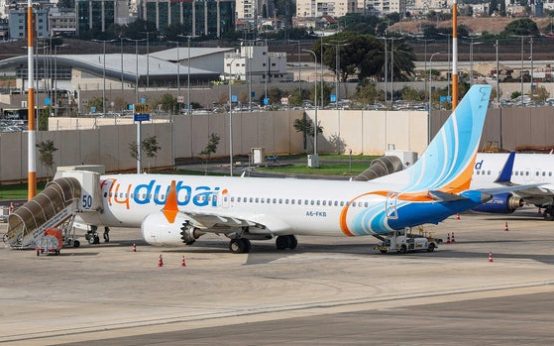 Incident on FlyDubai Flight Raises Security Concerns