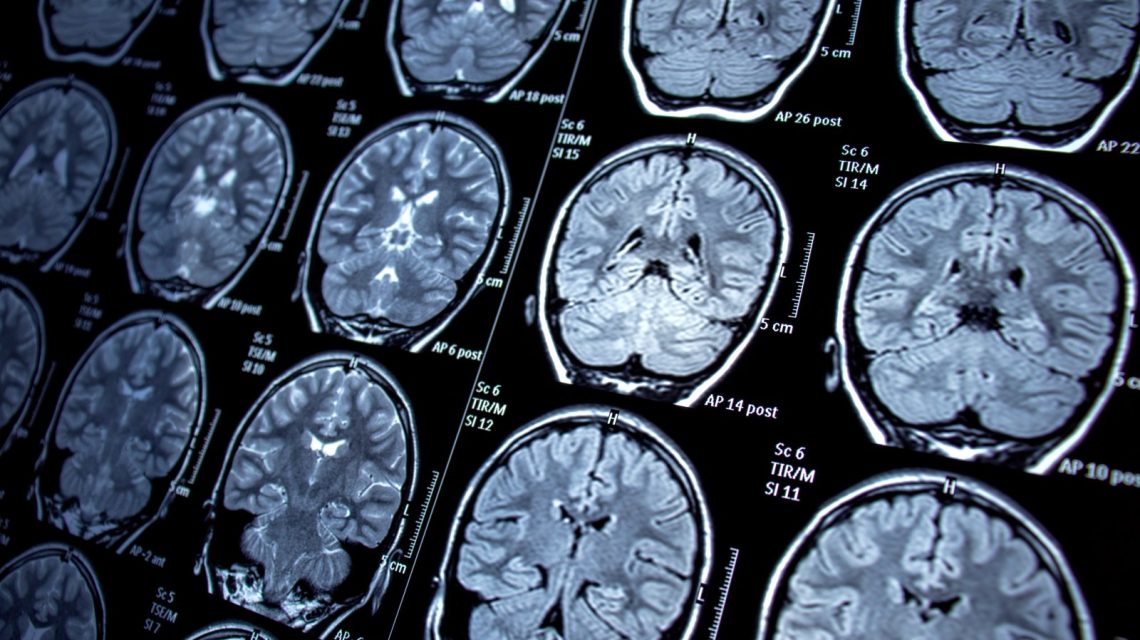
Recent research has unveiled a promising method to restore part of the brain’s immune response and alleviate abnormal nerve-cell activity associated with Alzheimer’s disease. The study was spearheaded by Professor Minah Suh from Sungkyunkwan University’s biomedical engineering department, in collaboration with IMNEWRUN and Yonsei University College of Medicine.
Role of Microglia
The focus was on microglia, the brain’s immune cells. These cells are crucial for detecting damage and keeping the brain environment stable. In Alzheimer’s disease, this function is impaired, while nerve cells exhibit abnormal activity.
Findings on PD-1 and PD-L1
Published in Science Advances, the study highlights changes in immune-regulating proteins PD-1 and PD-L1 in Alzheimer’s models. Mice showed increased PD-1 in microglia and PD-L1 in astrocytes, which are cells aiding brain maintenance.
Experimental Approach
The researchers administered a PD-L1 blocking antibody directly into the brains of the Alzheimer’s model mice. Advanced microscopy revealed that microglia regained proper response to damage, and neuron hyperactivity was reduced.
“The evidence shows the immune system’s role in Alzheimer’s and dementia,” commented Dr. John Showalter of Linus Health, who was not part of the study.
He noted that individuals receiving the shingles vaccine tend to show reduced dementia occurrence, emphasizing immune involvement.
Direct Impact of PD-L1 Alteration
Direct brain alteration of PD-L1 proved more effective than systemic administration. This underscores the link between disrupted immune signaling and neuron hyperactivity in Alzheimer’s disease.
Implications for Alzheimer’s Research
The study resonates with a broader trend, focusing on immune-modifying therapies in Alzheimer’s research. Showalter stated that therapies targeting inflammation constitute a notable portion of current clinical trials.
Challenges and Future Research
However, the results pertain only to model conditions in mice, inviting further investigation. According to Showalter, delivering antibodies safely remains a significant challenge, with direct injection into brain fluid posing risks.
Additional exploration is essential to ascertain similar effects in human treatment.
Research Reference
Reference: Taeyoung Park et al, “Targeting glial PD-1/PD-L1 restores microglial homeostasis and reduces neuronal hyperactivity in an Alzheimer’s disease model,” Science Advances (2026). DOI: 10.1126/sciadv.adx0731
 Calm Parenting: Strategies to Manage Stress
  Trump’s Executive Order to Combat Mosquitoes and Ticks in D.C.
  Overcoming Weight Loss Challenges: Brain Health and GLP-1 Medications
  Supporting Children’s Mental Health at Home: Practical Steps for Parents
  Abdul El-Sayed’s Strategy to Attract Health-Conscious Voters in Michigan
  Preventable Infection-Related Cancer Cases Worldwide: Insights from IARC Study