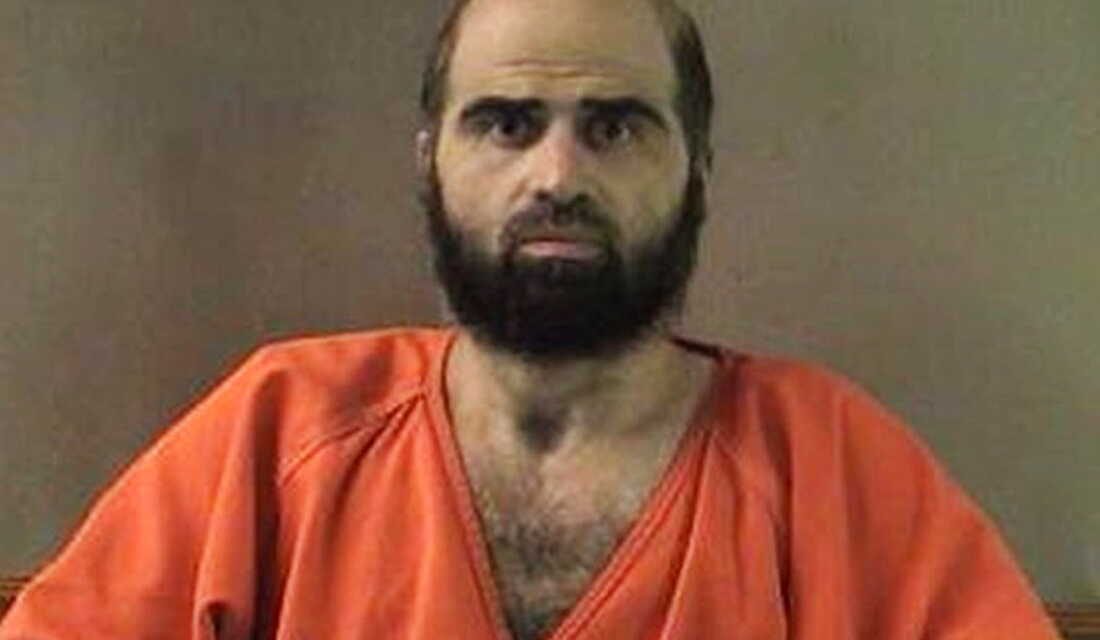
The Pentagon announced the decision to livestream the execution of Nidal Malik Hasan, a former Army psychiatrist, by a firing squad. Hasan was convicted for the 2009 Fort Hood shooting, which resulted in the death of 13 people and injuries to 32 others. This event is scheduled for December 3 at Fort Hood, representing the first military execution in over 65 years.
Defense Secretary Pete Hegseth emphasized the public aspect of the execution in an interview, stating the intention to allow viewing access for the event. This approach has prompted debates about the execution methods in the U.S., especially following the flawed lethal injection of Christa Pike in Tennessee.
Mixed Reactions from Experts
Experts have offered varying opinions on the Pentagon’s plan. Eugene R. Fidell, a lecturer in military law, noted that Hasan could potentially delay the execution significantly by filing a habeas petition. This delay could extend beyond the current administration, impacting future handling of executions.
Deborah Denno, an expert in death penalty law, believes that livestreaming the execution could enhance transparency and educate the public on the process of capital punishment. The incident with Pike’s execution has intensified scrutiny on execution methods, highlighting the potential benefits of a more open approach.
Firing Squad Viewed as Alternative Method
Firing squads are emerging as an option due to difficulties related to lethal injection. Brenner Fissell, a professor at Villanova Law, described firing squads as potentially quicker and cleaner. However, he pointed out there may be underlying motivations related to military culture and perceived masculinity in choosing this method.
Elisabeth Semel, from UC Berkeley Law, raised concerns about legal and policy implications, questioning the administration’s motives and the decision-making process behind opting for a public execution.
Legal Challenges and Final Requests
There is uncertainty around whether Hasan will appeal the execution. During his trial, Hasan acted as his own defense and accepted his role in the shooting, refraining from calling witnesses or making final statements.
Attorney John Galligan, previously involved with Hasan, expressed concerns about Hasan’s lack of legal representation at a crucial time. The Army maintains that efforts were made to ensure he had access to counsel, but logistical challenges occurred.
The execution decision follows historical precedent with military executions, the last of which occurred in 1961 with Pvt. John Bennett. Amnesty International’s report from 2025 recorded public executions in Iran and Afghanistan, providing context to the ongoing international debate around these practices.
 Attorneys Call for Preservation of Evidence Following Failed Execution
  Corey Pavin’s Support for Wife Lisa During Cancer Treatments
  Elisha Wiesel’s Reflections on Antisemitism and Jewish Identity
  Advocates Step In as Official Channels Struggle with Family Homelessness
  From Birth to Bravery: A Story of Overcoming Clubfoot
  Coyotes Caught on Camera Sparking Nighttime Barking Mystery