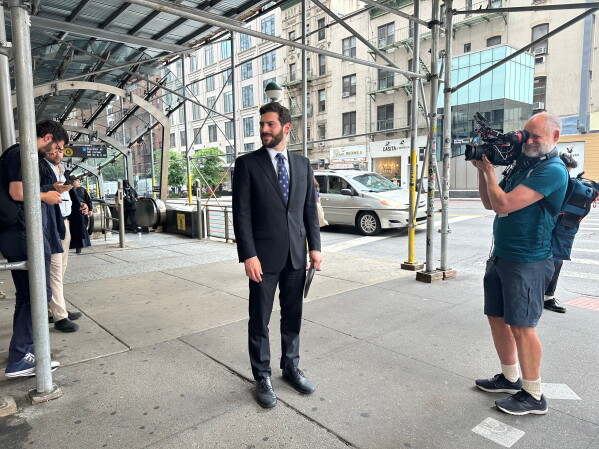
New York City Mayor Zohran Mamdani influenced Democratic primaries to support allies over establishment candidates. All of them succeeded on Tuesday, ousting two incumbents and setting the stage for two democratic socialists to enter Congress from strong Democratic districts. Mamdani emphasized the need for ‘better Democrats’ focused on working people’s interests. This strategy worried some Democratic leaders but highlighted Mamdani’s growing political power.
Elsewhere, factions in the artificial intelligence industry invested significantly in a House race over tech regulation. President Donald Trump strengthened his influence in South Carolina after two gubernatorial candidates he endorsed lost previous primaries. He endorsed candidates in a South Carolina runoff election, ensuring a win for one of them.
Mamdani’s Influence in House Races
When Mamdani addressed supporters in Brooklyn, chants of “DSA”—short for Democratic Socialists of America—filled the air. Two successful candidates he backed are democratic socialists. Assembly Member Claire Valdez, supported by Mamdani, defeated Brooklyn Borough President Antonio Reynoso in the primary for retiring Representative Nydia Velázquez’s seat. Darializa Avila Chevalier, another Mamdani-backed socialist, won against incumbent Representative Adriano Espaillat. Brad Lander, also supported by Mamdani, triumphed over Representative Dan Goldman by adopting more leftist stances, especially on the Gaza conflict. All three victors are expected to secure their positions in Congress.
AI Regulation Debated in Manhattan Primary
In Manhattan, a crowded Democratic primary turned into a battleground for AI regulation with Assemblyman Alex Bores at the center. Micah Lasher, endorsed by Democratic leaders, emerged victorious but unresolved issues lingered. Bores, a former Palantir employee, advocated for significant state-level AI regulation. Despite industry opposition, he used this legislative push as a model for potential congressional action. An industry group aligned with Bores received $10 million in ads, countering a $7 million campaign against him by another group. Lasher warned Bores might be influenced by his tech industry backers. Other candidates in the race included Jack Schlossberg and George Conway.
Trump’s Strategic Success in South Carolina
Trump prides himself on picking winning Republican primary candidates but faced setbacks with recent gubernatorial races. To prevent further losses, he endorsed both South Carolina Lieutenant Governor Pamela Evette and Attorney General Alan Wilson in a runoff. Wilson secured victory in the runoff election, attributing his success to Trump’s endorsement.
Utah and Maryland: Political Dynamics
In Utah, Democratic primaries gained attention due to a newly created Democratic stronghold in Salt Lake City. Former Representative Ben McAdams, who called himself a moderate and supported abortion rights, won the primary. Maryland Republicans sought a successor to former Governor Larry Hogan. Wes Moore, Maryland’s current governor, secured the Democratic nomination for another term, while Republican voters chose Dan Cox, a conservative candidate endorsed by Trump.
 The Trump Team’s Challenge to the Military Leadership
  Maryland First State to Restrict Electronic Pricing in Grocery Stores
  Activists Push for Nationwide Ban on Child Marriage in the U.S.
  Democratic Hopes and Historical Warnings in 2026 Senate Race
  Republicans Face Challenges Amidst Cost of Living Concerns
  A Different Kind of Fall for Congress This Year