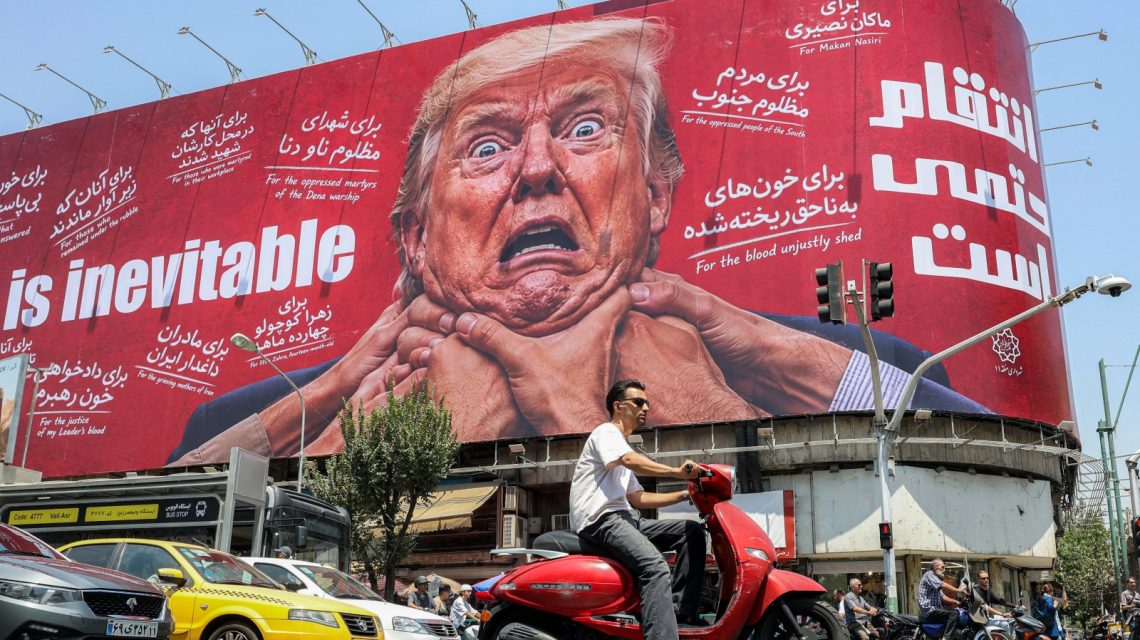
Trump’s Bold Threats Against Iran
President Donald Trump recently declared an intention to launch “the most crushing economic operation ever taken against any country” targeting Iran. This latest claim follows a series of grandiose threats aimed at forcing the Islamic Republic into submission.
Last month, Trump claimed he was prepared to strike Iran with “the biggest attack since World War II,” which alluded to the conflict that ended with the atomic bomb’s deployment. In April, as a U.S.-Israeli conflict with Iran began to stagnate, Trump warned of a massive civilian loss.
Despite the drama in Trump’s messaging, these threats have never been actualized. Instead, diplomatic channels were pursued, even as talks ceased each time. Recently, Trump insisted negotiations were off, contradicting previous signals from advisor Jared Kushner.
Iran’s Dismissive Stance
Regardless of Trump’s pivoting stances, Iranian leaders in Tehran seem unmoved, instead favoring escalation. “Iranian leadership does not take such threats literally,” said Mehran Kamrava, a Georgetown University professor. The stalemate spurs some Iranian leaders to consider military escalation as the only exit strategy.
The consistency in Trump’s threats without follow-through has prompted Tehran to largely disregard the intimidation tactics, opting instead to bolster their military capacity and regional resistance allies.
Unpredictability in U.S. Strategy
Analysts compare Trump’s erratic rhetoric to the “madman theory,” where unpredictability could coerce adversaries, including Iran, China, and Russia. Trump’s interventions in Venezuela and past actions against Iranian leaders like Major General Qassem Soleimani demonstrate his capability to defy critics.
In February, the joint U.S.-Israeli war resulted in the death of Supreme Leader Ayatollah Ali Khamenei, showing Iran how serious Trump’s tactics can be. Six months on, Iran has showcased its military prowess, asserting dominance over strategic waterways and regional threats.
Iran’s resilience has led them to strengthen ties with allies, such as Hezbollah and Yemen’s Houthi movement. Iranian officials now speak of shifting strategy from “eye for an eye” to “eye for a head” as they rebuild and reinforce their assets.
The Role of Ambiguity
Both nations leverage ambiguity to keep each other guessing. Mohsen Milani from the University of South Florida suggests that Trump’s unpredictable nature provides leverage but breeds unreliability. While Kushner maintains covert diplomatic channels, the U.S. has struggled to convert military might into political influence.
Tehran believes it has won the strategic war control over the Strait of Hormuz. Further strikes may damage Iran but are unlikely to force concessions, as Tehran can retaliate and widen the conflict.
Milani posits that America’s unpredictability has tarnished its credibility; Tehran assesses actions rather than words. A consensus in Iran predicts another conflict, judging the U.S. by observable deeds.
Iran’s Resilience Against Economic Pressures
Trump’s recent threats come as the UAE ceases trade with Iran, attributing the halt to missile strikes. Iran denies responsibility, accusing a “false flag” by Israel and the U.S.
Milani explains that both sides aim to economically outlast each other. Trump’s stance seeks to economically suffocate Iran, yet longstanding sanctions have severely impacted Iran without yielding significant strategic gains.
Iran’s Strategic Patience
Jon Alterman suggests Iran sees the situation as more sustainable for them than it is for the U.S. or its neighbors. With a government unaffected by elections, Iran’s resilience garners domestic credibility.
Iran perceives Trump’s threats as anxiety rather than resolve, viewing them as signs of shifting global dependency away from U.S. influence. Iranian officials believe patience and determination will ensure Iran’s strength against future threats.
Alterman forecasts prolonged negotiations with incremental successes rather than conclusive resolutions, as Iran seeks to solidify an economic foothold in regional trade and sanctions relief.
 Expert Insights on Vaccine Guidelines and Health Concerns
 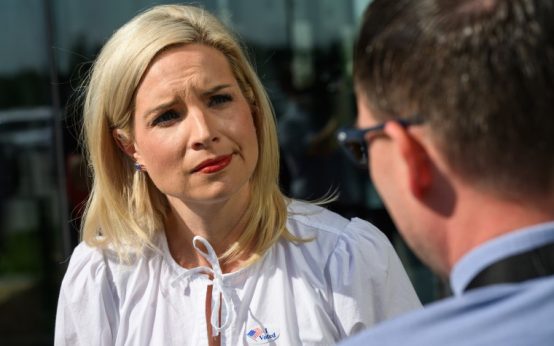 Economic Concerns Shape Voter Opinions in Iowa and Georgia
 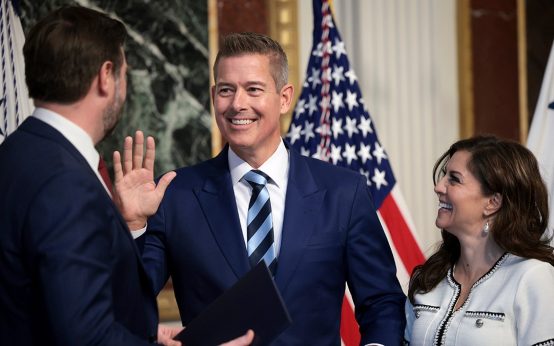 Transportation Secretary Raises Concerns Over Daughter’s Potential Harvard Enrollment
 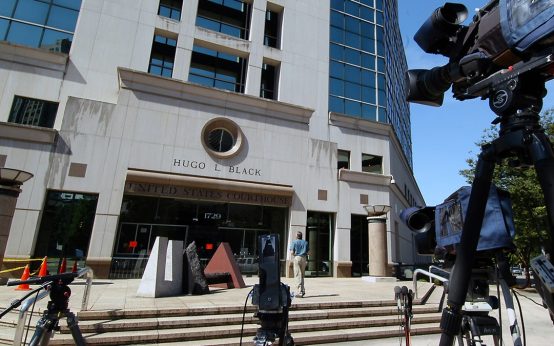 GSA Opposes Bill Granting Judiciary Property Control
  LGBTQ+ Population in the U.S. Reaches New Heights Amid Shifting Public Opinion
  Economic Concerns Influence Undecided Voters in Key Senate Races