
Public perception holds significant weight as the midterm elections approach, and voters across various political alignments have expressed their stance on data centers. Recent polls highlight that Republicans pursuing positions in the Senate recognize the dissatisfaction among their voters regarding data centers. They propose that the expansion of these large facilities should either decelerate or halt, without extensive federal involvement.
Local Decision Making Over Federal Control
Senator Jon Husted of Ohio shared with Fox News Digital that data center companies have struggled to justify their developments within communities. Emphasizing local decision-making, Husted stated, “That should be a local decision, not a federal decision.” This position reflects a concern over federal mandates in determining community development choices.
A Gallup Poll from May indicated that 70% of Americans oppose the idea of new AI-based data centers in their towns and cities. The resistance largely stems from the potential increase in utility bills, particularly water and electricity costs. Husted and other Republicans are heavily engaged in addressing these issues during their campaign efforts.
Legislative Efforts and Challenges
Husted recently introduced a bill in the Senate aimed at addressing rising electricity costs by preventing AI and tech firms from imposing infrastructure upgrade costs on taxpayers. Sen. Martin Heinrich of New Mexico blocked this move despite overwhelming House support.
Heinrich argues for effective legislation to address voluntary measures, stating, “Congress needs to pass real legislation with real teeth.” Former Rep. Mike Rogers, amid Michigan’s competitive races, echoes these sentiments and calls for a moratorium until all voter concerns are addressed.
Rogers advocates for data centers employing closed water systems and proposes redirecting property tax growth back to taxpayers, avoiding governmental distribution.
Calls for a Moratorium and Local Authority
Leaders like Senate Majority Leader John Thune from South Dakota urge minimizing federal influence. Thune advocates for community-level decision-making, saying, “The best way to get the soundest decisions with the most input from the American people [is] the government that’s closest to them.” Collaborating with Sen. Amy Klobuchar from Minnesota, Thune supports light regulatory measures and emphasizes transparency and public disclosure over rigorous federal interventions.
The dialogue around these issues continues to evolve, with legislative and community inputs shaping future decisions on data center developments.
 Andy Burnham’s Approach to Address UK’s Economic Stagnation
 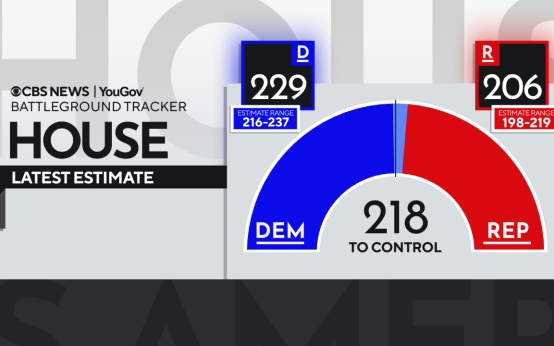 Midterms 2026: Key Insights and Voter Perspectives
  Trump’s Influence on Executive Power and the Response
  George Clooney Observes Democratic Figures Ahead of 2028 Election
  Sen. Cotton Opposes Permanent Daylight Saving Time
  Steve Hilton’s Latino Outreach and Gubernatorial Ambitions