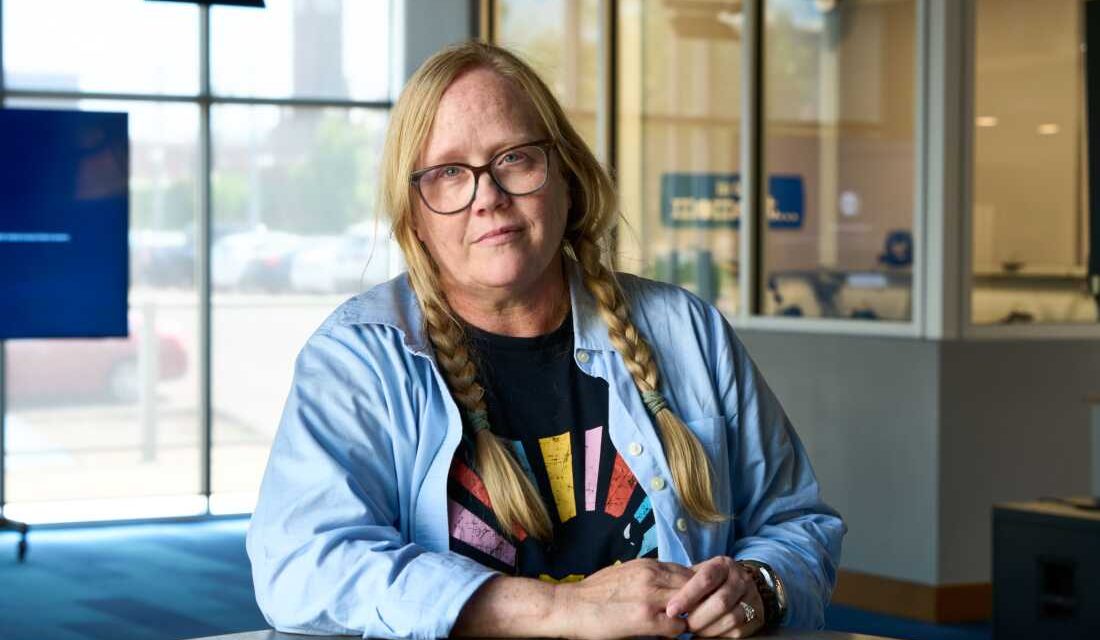
Lori Walsh faced job loss and program cancellation at South Dakota Public Broadcasting after federal funding was cut. Thanks to listener support, she returned as a podcaster. The cuts followed an enacted bill that ended six decades of bipartisan support for public media funding, leading to over 500 public media staff layoffs.
Across the country, station executives reacted with urgency and hope due to forced changes and increased support from viewers and philanthropists. Paula Kerger, PBS CEO, highlighted public reliance on viewer contributions during a Chautauqua Institution event.
Impact on Rural Stations
NPR relied less on federal funds compared to local public radio, where federal funds provided 8-10% of budgets. The cuts hit rural stations hardest. South Dakota Public Broadcasting suffered, canceling Lori Walsh’s show and laying off journalists. The station had to prioritize legislative and educational content.
Rich listener support, described by Ryan Howlett as “white-hot rage-giving,” resulted in record donations, enabling Walsh’s rehiring. She continues with a daily podcast under the same show’s name, maintaining its spirit despite the shift from broadcasting.
Financial Struggles Turn to Innovations
The funding crisis prompted innovations at stations across the country. At KSUT in Colorado, executive Tami Graham raised enough from donors for solar panels and an endowment, despite existential threats posed by funding cuts. Legal victory against funding cuts helped, supported by philanthropies focusing on sustainable financial models.
Challenges Persist Elsewhere
In Indiana, the loss of state and federal funds cut WNIN’s budget in half. Tim Black, its chief executive, laid off staff but avoided reserve fund usage thanks to generous member contributions. A financial surplus is now in sight, albeit uncertainty over long-term state support remains.
State-subsidized networks in Alabama and Mississippi avoided programming drops. NPR, despite losing some stations, secured record gifts for digital transformation and financial relief. These efforts underscore public media supporters’ readiness to fund content independently.
A Shifting Landscape
Jennifer Ferro at KCRW adjusted to federal funding gaps by transforming operations—launching podcasts, newsletters, and events. This pivot focuses on culture-rich experiences, critical in a vibrant city like Los Angeles. However, uncertainty persists about future philanthropic support sustaining such operations.
One year post-funding cuts, station executives are driving inventive strategies to adapt. Anxiety lingers over the need for continued innovation to sustain public media’s future.
This report was compiled by NPR’s David Folkenflik, with editorial contributions from NPR Deputy Business Editor Emily Kopp and Managing Editor Gerry Holmes.
 The Trump Team’s Challenge to the Military Leadership
  Maryland First State to Restrict Electronic Pricing in Grocery Stores
  Activists Push for Nationwide Ban on Child Marriage in the U.S.
  Democratic Hopes and Historical Warnings in 2026 Senate Race
  Republicans Face Challenges Amidst Cost of Living Concerns
  A Different Kind of Fall for Congress This Year