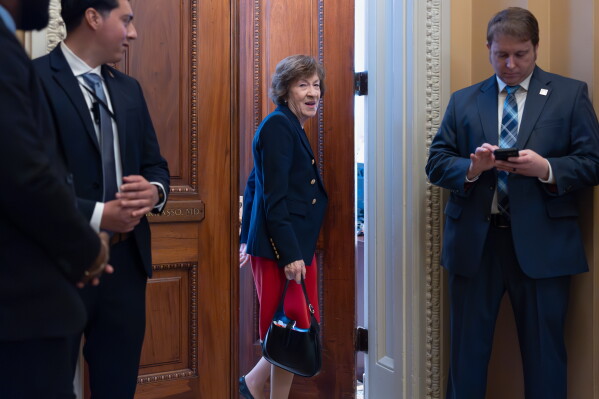
The Trump administration last year urged visitors to U.S. national parks to report exhibits with “negative” portrayals of Americans. Contrary to their expectations, many criticized this initiative. An Associated Press analysis of 35,000 public comments submitted from June to January reveals this.
Visitors to national parks expressed their discontent. A North Carolina park visitor labeled the move “un-American.” At Theodore Roosevelt National Park in North Dakota, someone wrote, “Trying to erase history doesn’t mean it didn’t still happen!”
More than half of the comments criticized the initiative according to the analysis. Despite the National Park Service recording 323 million visits at over 400 sites, the response was limited. This effort targeted content seen as negative toward Americans, aiming to highlight the beauty and achievements of the country. The focus was on presenting parks as uplifting monuments.
A watchdog group, Save Our Signs, involving librarians and historians, documented the removal or modification of at least 59 signs. These included references to slavery, climate change, women’s rights, conservation, and Native American history. Jenny McBurney, from the University of Minnesota, noted attempts to omit content challenging the perfect image of America.
Many changes occurred at Independence National Historical Park in Philadelphia. Exhibits on the lives of enslaved people under George Washington were removed but later restored by court order before further changes were halted.
More than half of the comments showed coordination. However, many were individually crafted. A Sierra Club lawsuit led to the release of these comments, some of which praised park staff and their efforts in providing historical context. Meanwhile, some submissions took a humorous angle.
A visitor criticized the program as “straight out of the fascist playbook,” suggesting parallels with historical authoritarian regimes.
Some visitors noted inappropriate references to historical figures in relation to race and inclusion. At the Harry S. Truman National Historic Site, a visitor objected to a depiction of Truman as a “founding father” of diversity initiatives, framing the visit as a learning experience rather than a political one.
The Trump administration’s response to flagged materials remains vague. According to an Interior spokesperson, many questioned materials remain unchanged. Sites such as Acadia National Park and Jamaica Bay Wildlife Refuge saw signage changes.
McBurney emphasized that history and national parks are critical to many Americans, reflecting a commitment to an accurate understanding of the past.
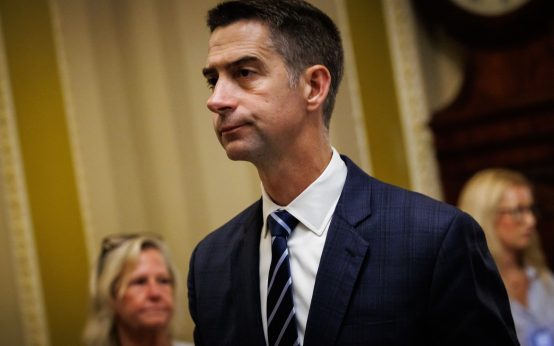
 Sen. Cotton Opposes Permanent Daylight Saving Time
  Steve Hilton’s Latino Outreach and Gubernatorial Ambitions
  The Need for Reform in Presidential Nominations
  Controversy Surrounds Performances at Gillette Stadium
  Celebrity Controversies Over Political Activism and Speech
  Trump Pushes for Permanent Daylight Saving Time, Sharing Senator’s Contact Information