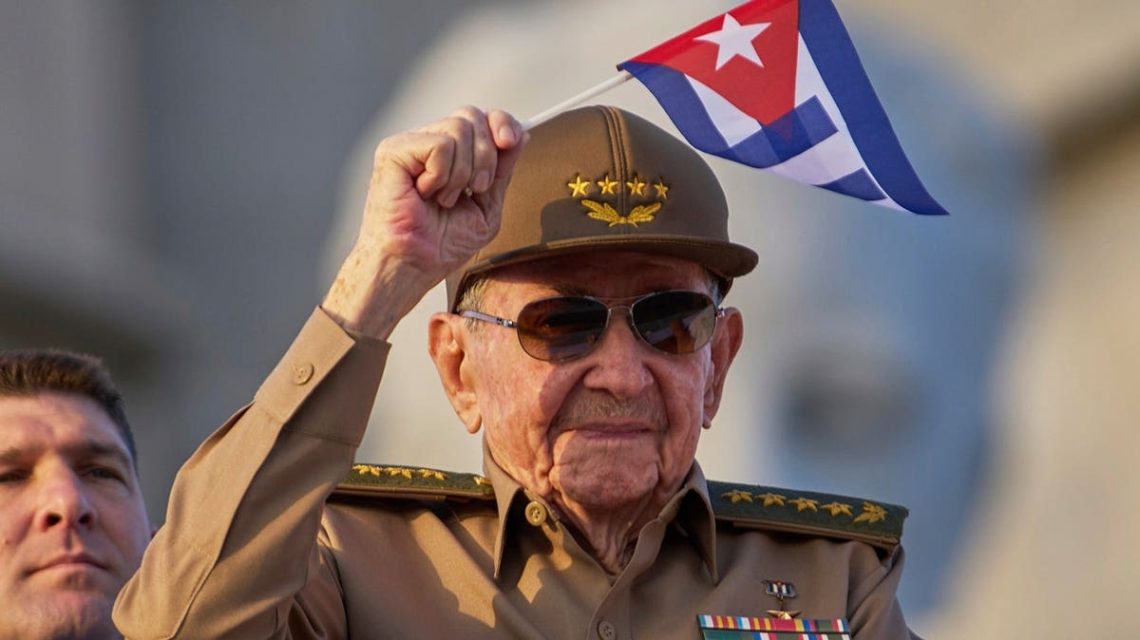
Former Cuban leader Raúl Castro has been indicted by the U.S. Department of Justice for his alleged role in the 1996 shoot-down of two civilian aircraft, resulting in the deaths of four American pilots. The indictment accuses Castro of conspiracy to kill U.S. nationals, destruction of aircraft, and four counts of murder. This incident involved aircraft operated by the Miami-based exile group Brothers to the Rescue.
Castro’s indictment was unsealed a few weeks prior to his public appearance on state television during an Interior Ministry event in Havana. His appearance marked the first since the Trump administration charged him over the 1996 event. Castro was seen on TV waving a Cuban national flag during May Day celebrations in Havana on May 1, 2025. Prior to this, he had been out of public view except for a January ceremony in Havana honoring 32 Cuban soldiers.
The indictment revolves around the incident where Cuban military aircraft allegedly destroyed two unarmed civilian planes flying outside Cuban territory. The victims included Carlos Costa, Armando Alejandre Jr., Mario de la Peña, and Pablo Morales. The move comes amidst heightened tensions in the Caribbean and comments from the Trump administration hinting at potential regime changes in Cuba.
Former President Donald Trump has expressed support for the indictment, highlighting how Cuban Americans affected by the communist regime had waited decades for justice. Trump emphasized the significance of the indictment, stating, “A lot of people have suffered at levels that few people would understand.” Despite these tensions, Trump suggested there would be no escalation between the U.S. and Cuba.
The decision to indict Castro has led to comparisons with the U.S. pressure campaign against Venezuelan President Nicolás Maduro. The U.S. previously indicted Maduro on narco-terrorism charges and imposed sanctions on Venezuela’s oil sector. However, experts like Christine Balling from the Institute of World Politics believe that the same operations may not be necessary against Castro due to his age, stating “Raúl Castro is 94 years old. It might not be worth the trouble.”
Balling argues that the indictment reflects a “very straightforward message” that the U.S. fully supports efforts against the Castro regime.
 British Police Arrest Man Suspected of Terror Plot
 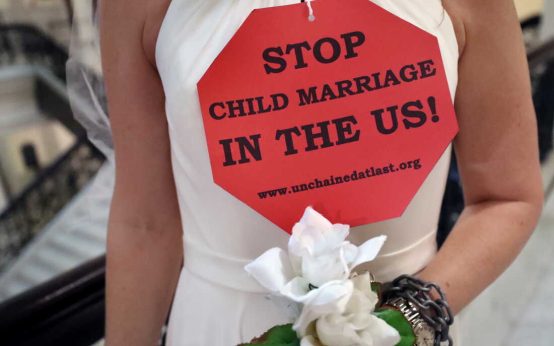 Activists Push for Nationwide Ban on Child Marriage in the U.S.
  Investigation into Alleged Incident at Cornell University
  Rising Drone Threats Highlight Vulnerabilities in Moldova’s Airspace Defense
 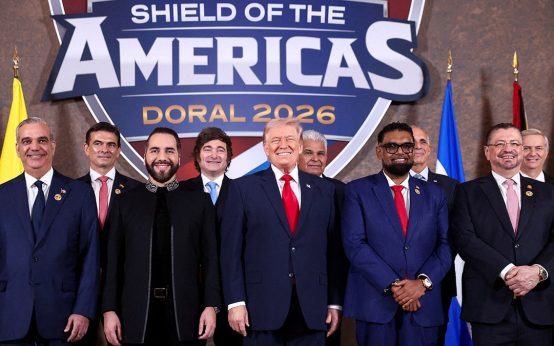 Bolivia Faces Security Test Amid Unrest
  Incident on FlyDubai Flight Raises Security Concerns