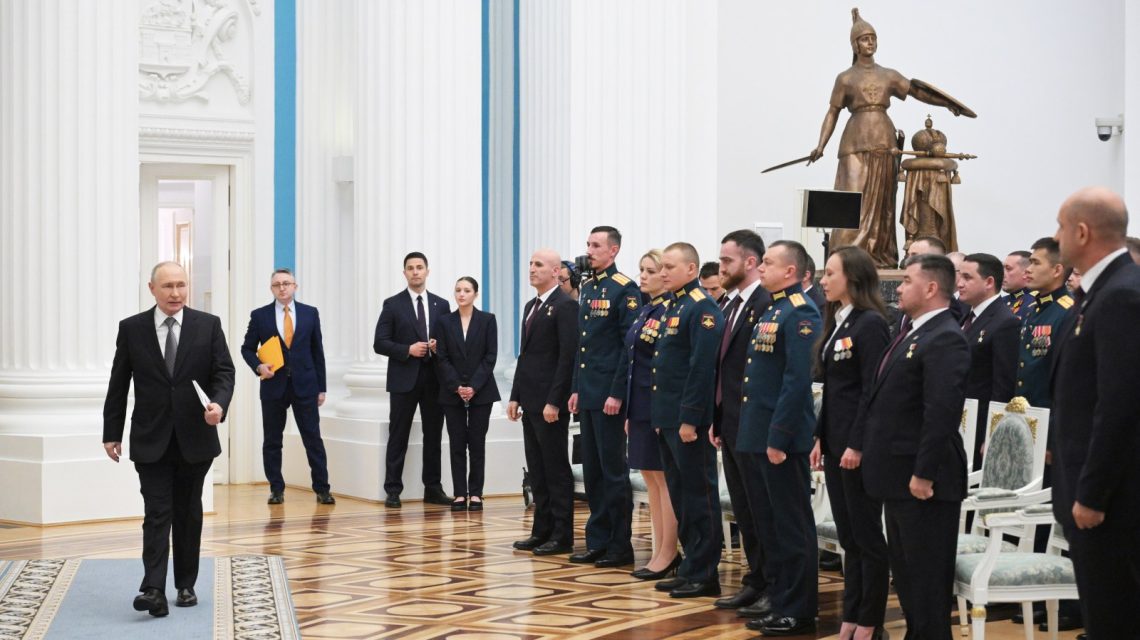
Today, Russians head to the polls to elect a new parliament for the first time since President Vladimir Putin sent his forces into Ukraine. This event marks a shift in Russia’s political landscape following the so-called ‘special military operation’ (SVO). Over the past five years, Russian society has been reoriented to support wartime needs in industry, economy, and legislation, aligning with Putin’s vision for governance.
More than 180 candidates in this election are veterans of the SVO, reflecting Putin’s call for war veterans to take leadership roles in the nation’s future. This strategy aims to consolidate support for the military operation and elevate the status of veterans in society. However, there are risks if these veterans start questioning leadership directions.
War and Politics: Intertwined
United Russia, Putin’s party, is expected to win the election. Opposition parties, like Yabloko, which stands against the war, faced significant setbacks, such as being removed from the ballot. The election outcome is unlikely to change Russia’s political course, ensuring that United Russia retains its majority in the Duma.
Public support for the war appears robust. A recent poll by the Levada Center showed 68% of Russians back their forces in Ukraine. However, a separate poll by the New Eurasian Strategies Center (NEST) indicates growing dissatisfaction with the economic downturn, as 42% of Russians report worsening conditions in the past months.
Veterans in Politics
Putin’s ‘Time of Heroes’ program aims to integrate veterans into elite positions within the government. This mechanism supports his intention to maintain a ‘party of victory’ that endorses further military action and domestic control measures. In August, 1,586 SVO veterans were registered as candidates in various elections, including 186 for the State Duma.
The reverence for veterans in Russia reflects their societal importance. United Russia emphasizes this by promoting veteran candidates like Vladislav Golovin. These candidates carry legitimacy that traditional politicians struggle to match, yet questions remain about their actual influence.
Potential Challenges
Despite their privileged status, veterans could pose a threat if they become too influential. Past events, such as Yevgeny Prigozhin’s rebellion, highlight the potential for veterans to challenge the Kremlin’s control. Internal disputes among candidates suggest discontent with how the war is conducted, potentially escalating if grievances are not addressed.
United Russia has discussed concerns about veterans becoming a distinct political force. Initial suggestions to form dedicated veterans groups in parliament were dismissed to avoid internal divisions.
The Road Ahead
Critics like Farida Rustamova argue that the Duma remains an institution that follows orders from Putin and the Kremlin. Election resistance measures, including media restrictions and delayed policy decisions, depict a tense political environment. Veterans may find their promised rewards inadequate as they return to challenges exacerbated by prolonged conflict.
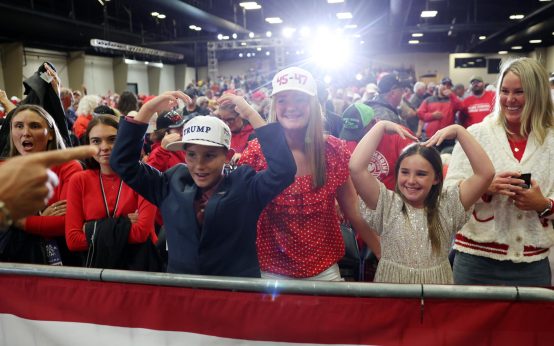 Trump Rallies Support in GOP Strongholds as Midterm Elections Approach
 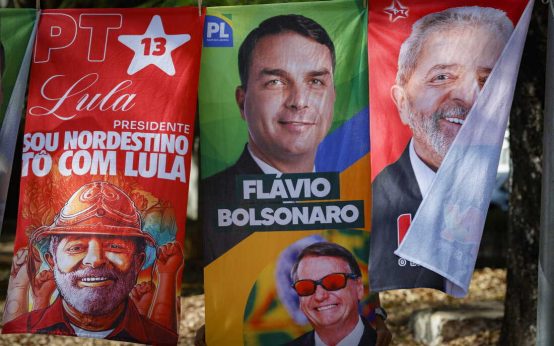 Brazil’s Next Election: Familiar Faces and High Stakes
 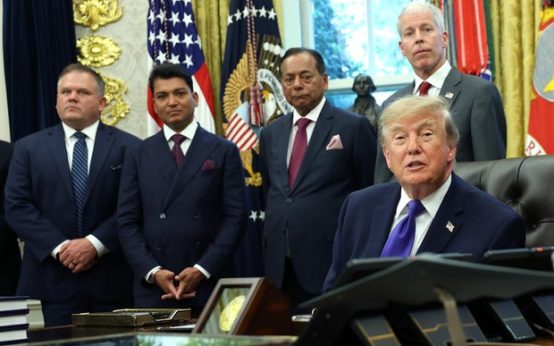 Iowa Steel Plant: Incentives and Political Maneuvering
  Strategies for Democrats Leading Up to Election Day
  Texas Senate Race: The Impact of Trump on Ken Paxton’s Campaign
  Trump’s Approval Rating Struggles Ahead of Midterms