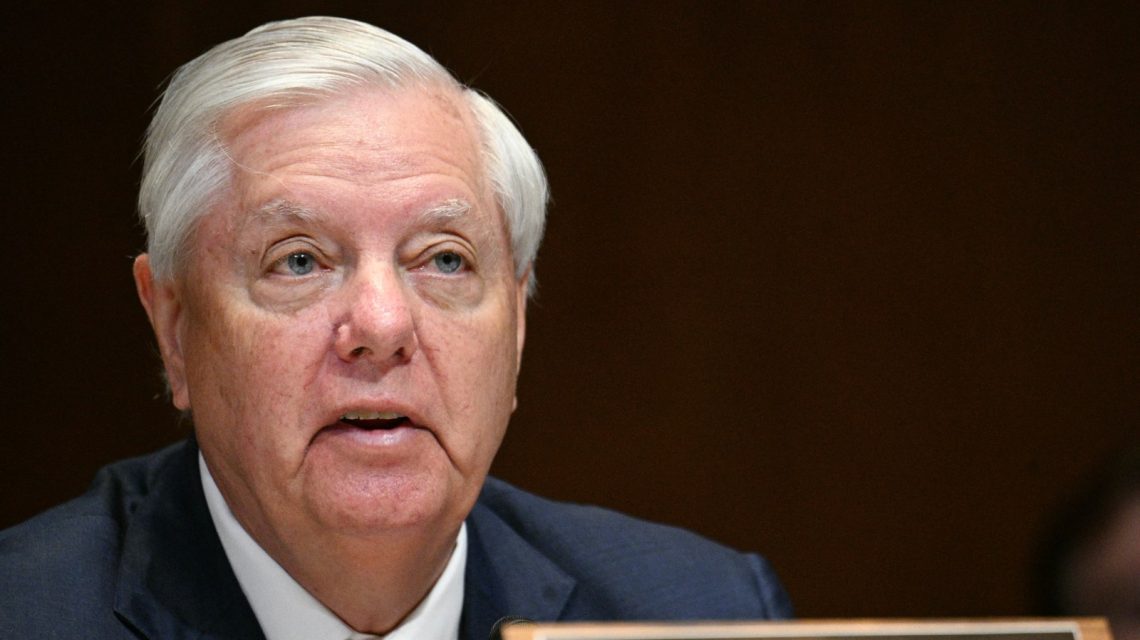
The recent death of Senator Lindsey Graham complicates efforts to advance several of President Donald Trump’s priorities. Graham, a key ally from South Carolina, passed away at 71.
As the Senate Budget Committee Chairman, Graham played a vital role in legislative efforts during Trump’s second term, supporting major Republican initiatives in a chamber with a narrow 53-47 majority. Known for his loyalty to Trump, Graham also fostered bipartisan cooperation.
His absence presents challenges for Republicans striving to progress Trump’s agenda, such as increasing military funding and confirming nominees, especially as they prepare for the upcoming midterm elections with a diminished Senate majority. The GOP’s focus includes urging Senator Mitch McConnell to return to the Senate, where his hospitalization temporarily reduces their majority to 51-47.
Todd Blanche’s Confirmation Faces Hurdles
The confirmation of Todd Blanche, nominated as Attorney General, is a significant test for Senate Republicans. The Judiciary Committee announced hearings for July 15 and 16. With Graham’s passing, the committee now includes 11 Republicans and 10 Democrats. Any Republican opposition could derail Blanche’s nomination, which relied on Graham’s expected support.
Senator Thom Tillis’ stance is pivotal. He declared he’ll oppose any nominee minimizing the January 6 Capitol attack’s violence against law enforcement, indicating heightened scrutiny during Blanche’s hearings.
SAVE America Act Loses a Backer
Graham’s death impacts the Safeguard American Voter Eligibility (SAVE) America Act, a priority for Trump aiming to eliminate the filibuster and enforce voter ID laws. Already facing challenges, the act required 60 votes to surpass a filibuster. Graham’s endorsement was crucial in advancing Trump’s legislative push.
Trump described Graham’s passing as a considerable setback for the legislation, sharing Graham had assured him of progress shortly before his death. Graham’s enthusiasm for the act was evident through his vigorous advocacy.
Implications for Military Budget and Reconciliation
Efforts to pass Trump’s proposed $1.5 trillion military budget may stall without Graham’s participation. Republican leaders aimed to push the National Defense Authorization Act (NDAA) to a vote before recess, relying on Graham’s influence during debates. However, Senate Democrats plan to oppose the NDAA over concerns regarding Iran, with some seeking to delay it for discussion on relations with Israel.
Graham’s passing also affects a proposed $350 billion defense funding package. GOP leaders employ reconciliation to bypass the 60-vote threshold, reminiscent of previous tax cuts. Without Graham’s guidance, Senator Ron Johnson takes over as Budget Committee Chair. His focus on reducing deficits through reconciliation casts uncertainty on the package’s future.
 Byron Donalds Targets Black Voters in Florida Governor Race
  Brazil’s Presidential Race Heads to Runoff
  Sen. Thom Tillis Criticizes Trump’s Administration in New Book
  Controversy Surrounds Steve Hilton’s Campaign Ad Amid Gubernatorial Race
 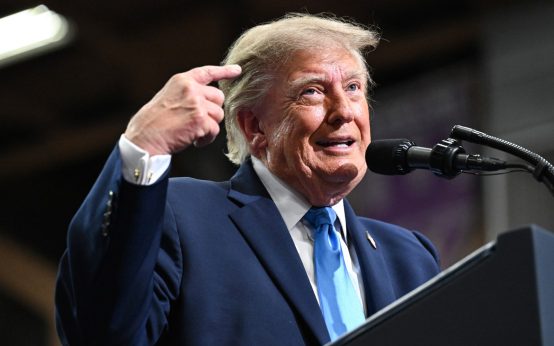 Trump Calls for Probe into Alleged ‘Paid Protesters’
 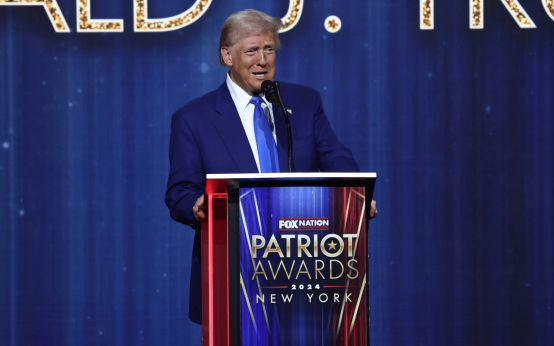 Donald Trump Criticizes Fox News for Rally Coverage