
Many are aware that regular exercise, a balanced diet, and avoiding tobacco are crucial for heart health. However, some of the most effective habits can be quite simple. Heart disease is the leading cause of death in the United States, with a person dying from cardiovascular disease every 34 seconds according to the Centers for Disease Control and Prevention (CDC). While much advice emphasizes diet and exercise, Dr. Tiffany S. Di Pietro provides insights into three daily habits she practices to support her heart health.
Start the Day With Meditation
Dr. Di Pietro dedicates the first 10 minutes of her day to meditation. She stated, “It is short enough that nobody can tell me they don’t have time, and consistent enough that it actually changes how the nervous system responds the rest of the day.” Meditation is often paired with traditional treatments for anxiety and depression, and can benefit heart health as well. A 2018 study found that mindfulness meditation was linked to reduced anxiety, lower resting heart rate, and decreased aortic pulse pressure in young adults with mild to moderate anxiety.
Skip the Salt Shaker
Dr. Di Pietro avoids adding salt to her food both at the table and during cooking. Despite the temptation to add extra salt when dining out or buying packaged goods, she recommends avoiding this habit completely. The CDC notes that Americans consume more sodium than is recommended and not enough potassium. Adults tend to consume over 3,400 milligrams of sodium daily, surpassing the suggested limit of 2,300 milligrams. Sodium is found in packaged and restaurant foods, but also in everyday items like bread. Dr. Di Pietro believes that small daily sodium reductions can significantly impact blood pressure over time.
Walk After Every Meal
A strict habit of Dr. Di Pietro is walking for 10 to 15 minutes after every meal. “The post-meal glucose spike, and better glycemic control is cardiovascular protection whether or not you have diabetes,” she explained. A 2023 review by researchers at Goethe University Frankfurt’s Institute showed that light exercise, like walking, soon after a meal was more effective in reducing blood sugar spikes than exercising before meals. The benefits were greatest when exercise started immediately after eating, suggesting that a post-meal walk is an effective way to manage blood sugar levels. For those looking to incorporate more movement into their day, Di Pietro suggests walking paired with a phone call, walking the dog, or parking farther from destinations. “It doesn’t have to look like exercise to count,” she emphasized.
 The Message of Healing and Faith in ‘The Angels Among Us’
 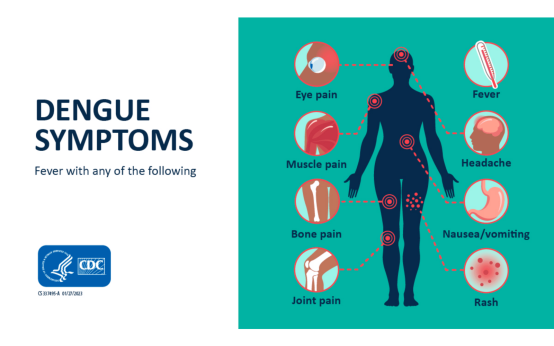 Dengue Fever Surge in U.S.: Florida’s Record Outbreak and Rising Cases Nationwide
  Tick Crisis on Martha’s Vineyard: A Growing Health Threat
  Reflections on Dementia, Ant Warfare, and College Affordability
  Early Detection of Atherosclerosis and Heart Disease Prevention
  Church Attendance Linked to Increased Sexual Satisfaction for Married Couples