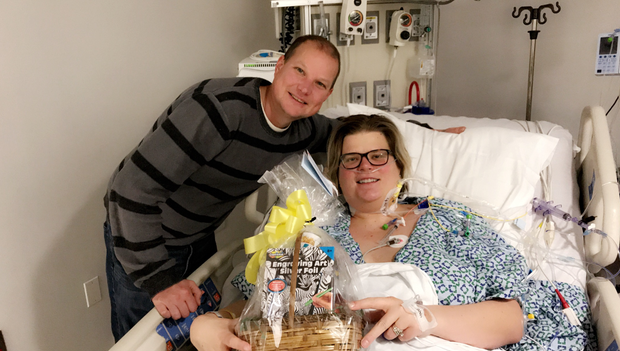
Megan Kaverman experienced unexplained symptoms from a young age. At 18, she noticed weight gain and shortness of breath, but her doctor couldn’t identify the issue. By 25, severe fatigue and difficulty breathing prompted deeper concern. Despite recurring ER visits, doctors dismissed her problems.
In 2016, Kaverman insisted on answers at the ER. She was diagnosed with heritable pulmonary arterial hypertension, a rare disease affecting less than 4% of cases. This condition causes lung arteries to narrow and the heart to work harder, potentially leading to heart failure.
They just kind of pushed it aside, like, ‘(You’re) too young to have a heart problem.’– Megan Kaverman
After her diagnosis, Kaverman sought treatment at the Cleveland Clinic, which allowed her to get back to normal life. She called the day of her diagnosis her ‘rebirth.’
Two years later, Kaverman recognized similar symptoms in her sister, Katie Gusching. She encouraged Gusching to get tested, leading to the same diagnosis. Gusching credits her sister’s experience for potentially saving her life.
If she hadn’t gone through hell and back to figure out what she had, who knows if I’d be here.– Katie Gusching
The Disease and Its Impact
This genetic disorder results from gene mutations that increase blood pressure in the lungs. Over 70% of patients learn about it during heart failure stages. It can’t be cured, but its effects can be managed.
Gusching initially faced challenges adjusting to life post-diagnosis. With her sister’s support, she navigated insurance and medications despite limitations on activities like hiking.
Cleveland Clinic Treatment
Both sisters receive care from Dr. Kristen Highland and Dr. Adriano Tonelli. They have partaken in clinical trials to develop new treatments. Dr. Highland noted tremendous progress in treatment options over the years, offering hope to patients.
There’s a lot more hope, and patients are responding to those treatments.– Dr. Kristen Highland
Raising Awareness
The sisters advocate for awareness of pulmonary hypertension. Kaverman advises others with cardiac issues to consider asking doctors about the disease. Her determination to help others drives her to share her story widely.
Both women now manage their hypertension effectively. Gusching returned to hiking, and Kaverman participates in 5Ks, experiencing improved well-being with new medication. They plan trips together, sharing experiences and advocating for the disease.
Kaverman summarized the shared journey, noting how it has strengthened their bond. They coordinate clinic visits, share results, and support each other, finding solace in their shared experience.
Katie and I have always shared a lot, and I just feel like this brings us closer together.– Megan Kaverman
 Freddy’s American Adventure: From Soccer to College Football
  Increased Funding Needed for Psychiatric Hospitals
  Trump Administration Distributes ACA Refund Checks
  Higher Consumption of Ultra-Processed Foods Linked to Increased Health Risks
  The Quest for the Knuckleball Dream
  Navigating Grief After a Sibling’s Overdose