South Korea’s Security Concerns
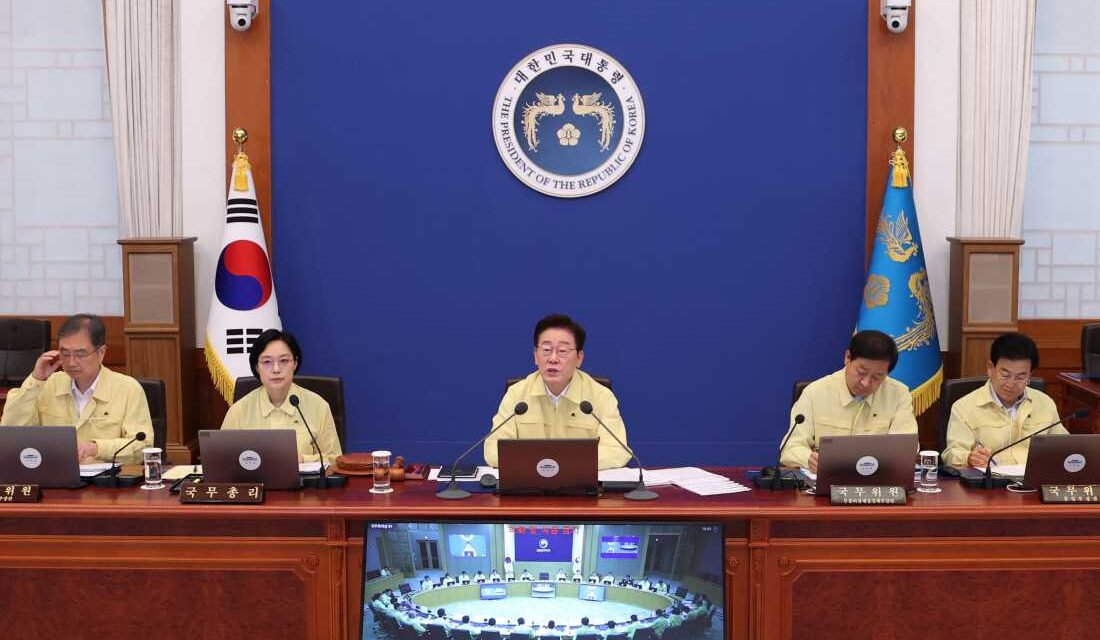
South Korean President Lee Jae Myung has emphasized the significance of a solid alliance with the United States for national security. His remarks come after U.S. President Donald Trump ordered a substantial reduction in joint military exercises, causing confusion and worry among South Koreans.
The announcement came just before U.S. and South Korean troops embarked on the annual Ulchi Freedom Shield exercises aimed at improving readiness against North Korean threats. Trump’s decision was based on his relationship with North Korean leader Kim Jong Un and South Korea’s refusal to support the U.S. stance against Iran.
Challenges to Alliances
The abrupt decision appears to have been made without consulting Seoul and aimed at strengthening ties with Kim Jong Un. This situation raises concerns about the stability of the U.S.-South Korean alliance, crucial to South Korea’s defense since the Korean War. The nation relies on U.S. nuclear protection against threats from North Korea.
The U.S. maintains approximately 28,500 troops in South Korea. Confidence in the relationship has been affected by factors including Trump’s trade policies and recent immigration actions in Georgia.
“The stark reality of a faltering Korea-U.S. alliance fuels public anxiety,” observed the Hankook Ilbo newspaper. “It’s absurd that North Korea seems to receive more respect from the U.S. than South Korea does.”
Military Exercises Uncertain
President Lee stressed the importance of a robust military alliance with the U.S., stating, “National security will be further strengthened when the alliance is solid.” Lee advocates for a self-reliant defense approach.
The specifics of the exercise reductions remain unclear. The exercises were initially planned to mirror previous years’ scale and incorporate lessons from current conflicts, such as North Korea’s involvement in Russia’s activities in Ukraine. Military officials assert the drills are defensive.
Complex Diplomacy with North Korea
North Korea has accused South Korea and the U.S. of planning provocative exercises, pledging to counter with a new deterrent. Meanwhile, experts believe Kim Jong Un is unlikely to engage in negotiations with the U.S. without significant concessions, having expanded his nuclear capabilities and aligned with Russia.
South Korea’s presidential office expressed hopes for productive dialogue stemming from Trump’s relationship with Kim, eliciting criticism for appearing to prioritize diplomacy over urgent security needs.
Tensions Over U.S. Commitment
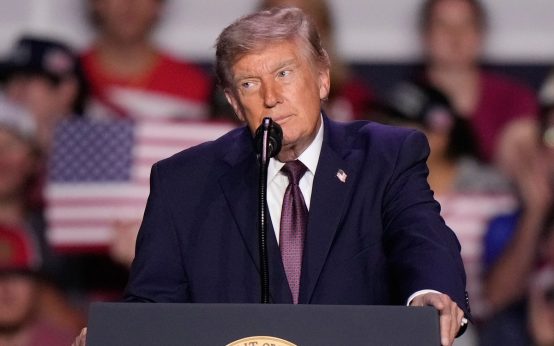
Trump argued via social media that exercises with South Korea are costly and signal hostility to North Korea. He highlighted perceived respect from North Korea during his presidency.
Trump’s request for South Korea to join efforts in Iran’s “denuclearization” was declined. South Korea’s role in supporting freedom of navigation in the Strait of Hormuz is under discussion with the U.S.
Leif-Eric Easley of Ewha University remarked, “Trump views alliances as investments, while South Korean leaders recognize that relations involve continuous negotiation of economic and security concerns.”
 Trump’s White House Ballroom Project Faces Challenges and Rising Costs
  The Role of JD Vance in Addressing Working-Class Concerns
  Trump Advocates for Expanded Use of Capital Punishment Amid Execution Controversy
  Investigation into Thomas Crooks’ Assassination Attempt
  Supreme Court Allows Trump Administration to Continue Third-Country Deportation Policy
  Police Discover Ancient Roman Artifacts Off Sardinian Coast