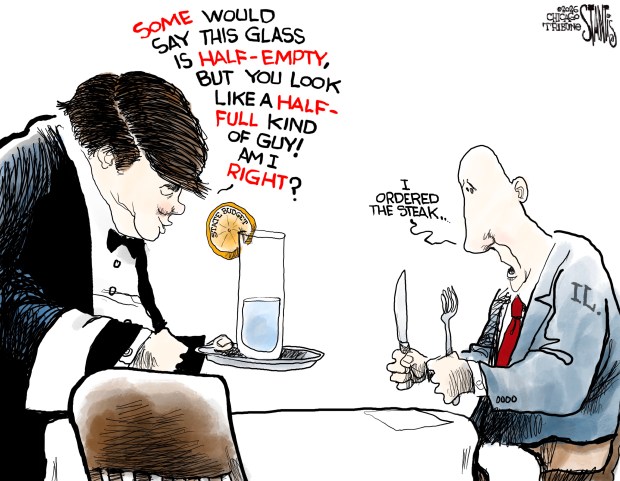
The spring legislative session in Springfield concluded with mixed views. Some saw disappointment as urgent issues went unaddressed, including the needs of the Chicago Bears, a growing energy supply-demand imbalance, the absence of initiatives for new housing, and the quest to make life affordable for Illinoisans.
On a positive note, the legislature departed without inflicting major policy damage. No substantial new taxes haunted individuals and corporations. While progressive lawmakers pushed for a constitutional amendment to tax millionaires—potentially driving affluent residents to friendlier tax climates—the effort was stalled for now.
Governor JB Pritzker’s maintenance budget largely met with approval from lawmakers, who improved segments. Notably, local governments gained full benefits from naturally rising income tax revenues, gaining an additional $60 million for their budgets, with Chicago itself receiving $12 million. Pritzker’s initial proposal to keep municipal shares of income tax receipts flat risked worsening property tax burdens hindering growth in many communities.
The session left a perception of a state in drift. Leadership appeared scarce among Democrats, who engaged in internal squabbling and eventually agreed to disagree over addressing crucial issues. Republicans mostly observed from the sidelines, though Peoria Representative Ryan Spain, a Republican House budgeteer, praised Democrats for their openness regarding annual spending plans.
Pritzker’s last spring session before seeking a third term underwhelmed. His key aims were securing a deal to keep the Bears in Illinois and passing measures for increased statewide housing. The situation with the Bears remains in progress, while the housing package was halted due to local government concerns over their zoning authority being overridden by the state.
Pritzker’s visibility as a leader remained limited. His approach appeared to be setting broad goals, expecting lawmakers to follow. Regarding the Bears, lawmakers and Mayor Brandon Johnson thwarted the plan to prevent the team’s move to a suburb. For housing bills, suburban officials preserved their authority, assuring residents against unsuitable developments in residential areas.
No progress was made on the impending electricity supply crisis. This was worsened by plans for power-intensive data centers and prior clean-energy provisions incentivizing removal of crucial power sources from northern Illinois.
Though accomplishments emerged, including a budget fully funding pension obligations and adding $350 million to public schools, further discussion exists in another editorial. Lawmakers supported Pritzker’s appeal to ban cellphones in public-school classrooms. There were strides in regulating artificial intelligence. Additionally, the legislature addressed hemp licensing after years of inaction, stopping the sale of intoxicating THC products in various retail outlets.
Regarding affordability, proclaimed as a guiding principle by Pritzker, House Speaker Emanual “Chris” Welch, and Senate President Don Harmon, progress proved minimal. Lawmakers postponed a gas tax hike, saving drivers 1.3 cents per gallon. For those impacted by reduced SNAP benefits from GOP actions in Washington, D.C., a $400 one-time payment will be provided, costing state taxpayers $70 million.
Narrow tax hikes, including a digital ad levy and tax on social media platforms—potentially contested in courts—funded this maintenance budget. By Democratic standards in Springfield, it was not tax-heavy.
The 2026 spring session might be remembered by missed actions, particularly concerning the Bears. Voters, usually indifferent to state capital activities, learned how Springfield operates—or fails to—under full Democratic control. Did this resonate well with them?
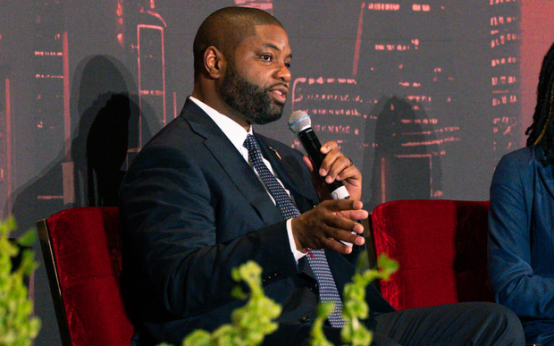 Byron Donalds Targets Black Voters in Florida Governor Race
 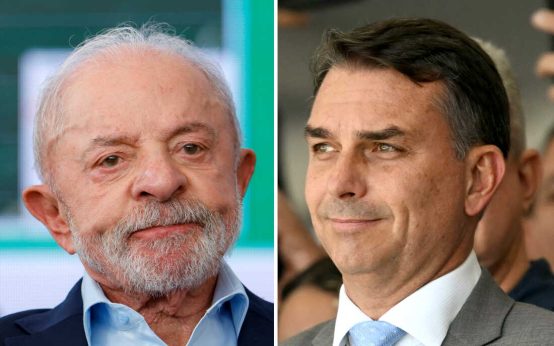 Brazil’s Presidential Race Heads to Runoff
 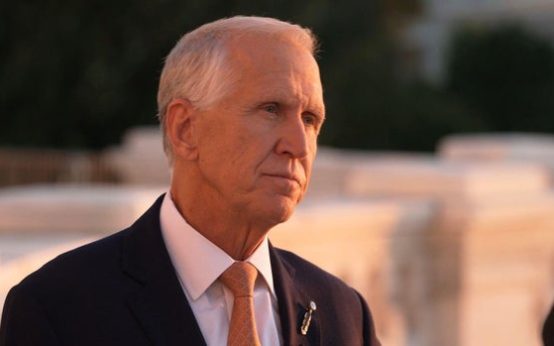 Sen. Thom Tillis Criticizes Trump’s Administration in New Book
 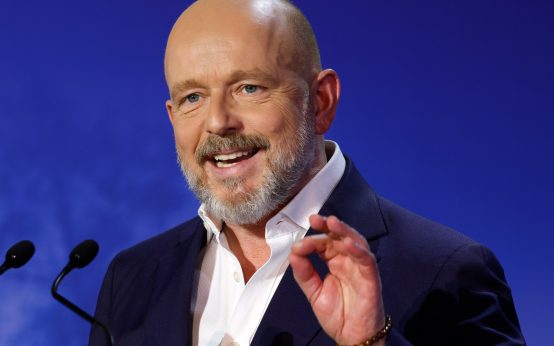 Controversy Surrounds Steve Hilton’s Campaign Ad Amid Gubernatorial Race
 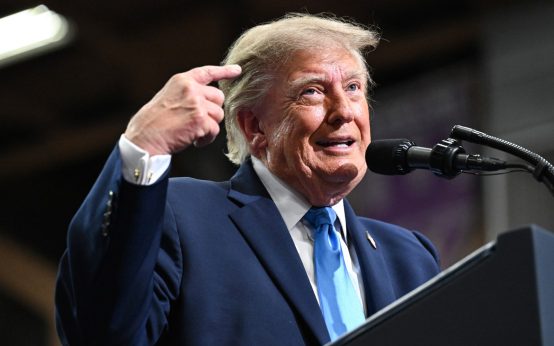 Trump Calls for Probe into Alleged ‘Paid Protesters’
 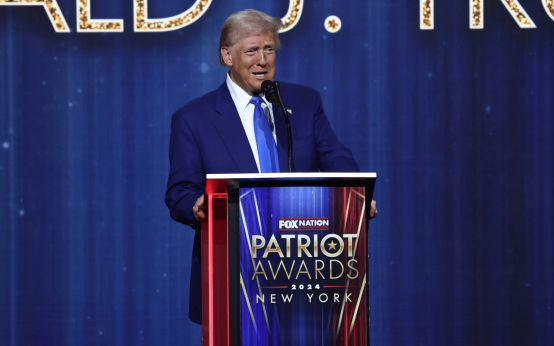 Donald Trump Criticizes Fox News for Rally Coverage